


IMF Chief Urges US and Wealthy Nations to Tackle Global Debt and Economic Strain
IMF Managing Director Kristalina Georgieva warns that US and global debt levels threaten developing nations, urging immediate fiscal tightening.

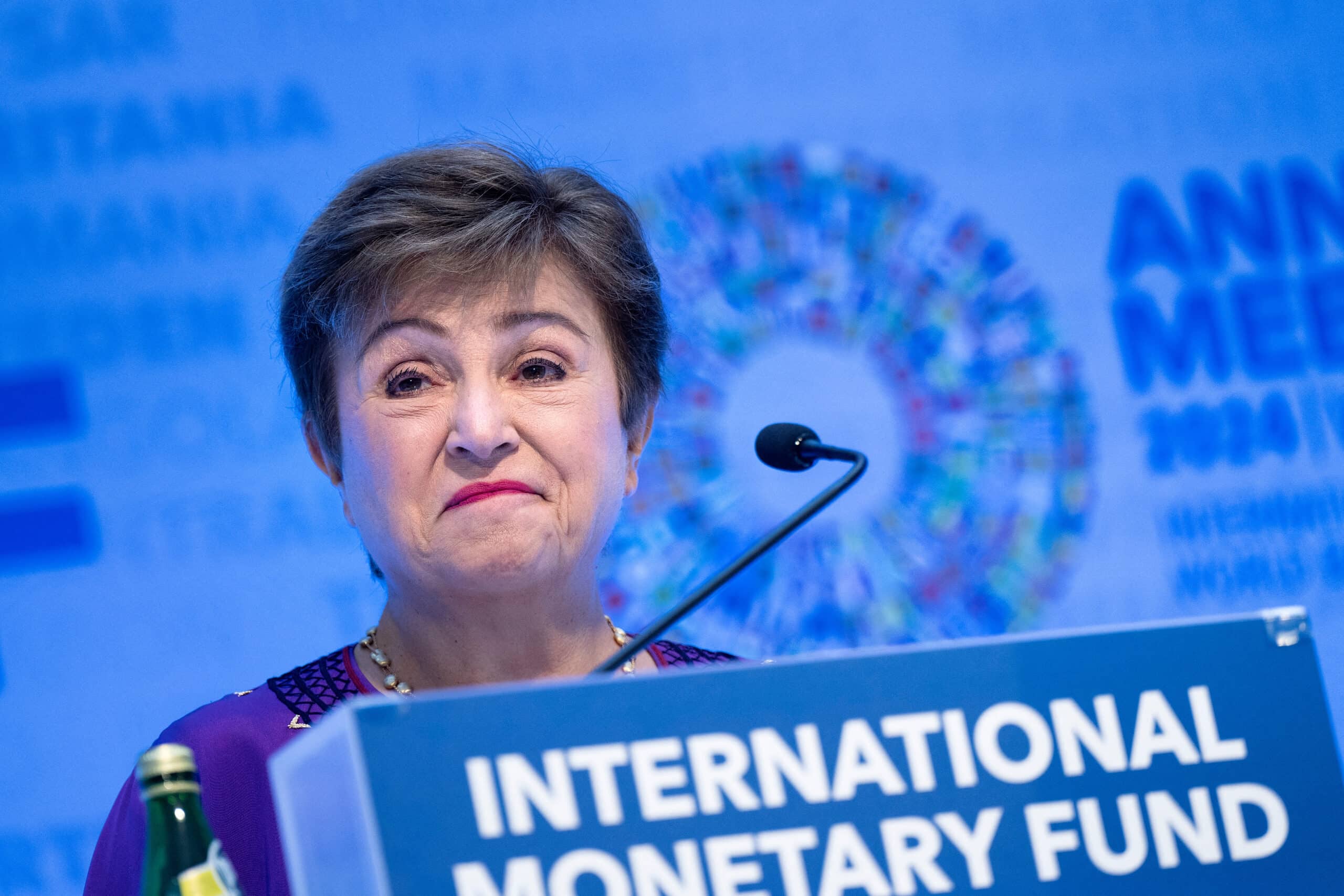
POLICY WIRE — Bangkok, Thailand — The leader of the International Monetary Fund issued a stark warning Wednesday, urging the United States and other affluent economies to decisively address escalating global debt burdens that disproportionately crush low-income nations and destabilize the financial network.
During the autumn meetings held in Bangkok, IMF Managing Director Kristalina Georgieva noted that while top American officials like Treasury Secretary Scott Bessent acknowledge the severity of the federal deficit, mere economic growth will not suffice to resolve a U.S. national debt crossing the $40 trillion threshold.
Georgieva stressed that authorities must pursue aggressive fiscal consolidation and bring down deficits directly rather than relying on an economic miracle, as rising bond yields and inflationary pressures stemming from high energy expenses tied to the Iran war drive global interest rates to multidecade highs.
Rodrigo Valdes, director of the IMF Fiscal Affairs Department, warned that fiscal indiscipline in major advanced nations ripples past borders to impact the wider world, while the latest Fiscal Monitor report highlights that historic interest payments and shrinking foreign aid are starving vulnerable populations of essential resources.
Echoing these concerns at a side event, U.K. Foreign Secretary Ed Miliband argued that the Global South is unfairly absorbing the shock of high borrowing costs in wealthier territories, calling for a comprehensive new pact to secure extended repayment windows and lower refinancing rates.
Alexander De Croo, administrator of the United Nations Development Programme and former Belgian prime minister, pointed out that the median developing nation currently devotes nearly 10% of government expenditure to debt service and pays triple the interest rate of developed counterparts.
Compounding these crises are demographic and technological pressures, with over 1.2 billion young individuals expected to enter the labor market globally over the next decade against a projected creation of only 400 million net new positions as artificial intelligence threatens traditional jobs.
To combat employment deficits, the UNDP launched its Jobs for Prosperity initiative to stimulate investments in healthcare, tourism, and food processing by partnering with global financial institutions and private enterprises.
Concurrently, the IMF, the Bank of Thailand, and the World Bank Group unveiled the Bangkok Blueprint to tackle online fraud and cybercrime, arriving in the wake of recent disruptive cyberattacks that sabotaged refrigeration systems across numerous French supermarkets.
Reporting by Policy-Wire (PW)