


Regional Faultlines and Pakistan’s Security Imperatives Amid Iran-Israel Tensions
With the Middle East bubbling under the pressure of escalating Iran–Israel tensions, Pakistan is faced with a familiar but increasingly complex security mathematics. The recent declaration by...

With the Middle East bubbling under the pressure of escalating Iran–Israel tensions, Pakistan is faced with a familiar but increasingly complex security mathematics. The recent declaration by Planning Minister Ahsan Iqbal that Pakistan will not allow militants to use regional conflicts as levers to attack from Iranian or Afghan soil is reflective of Islamabad’s increased focus on both domestic stability and diplomatic positioning. As the geopolitical board is so dramatically reshaping, Pakistan is striving to maintain its sovereignty, cut off militant spillover, and preserve economic momentum, especially through the flagship China-Pakistan Economic Corridor (CPEC).
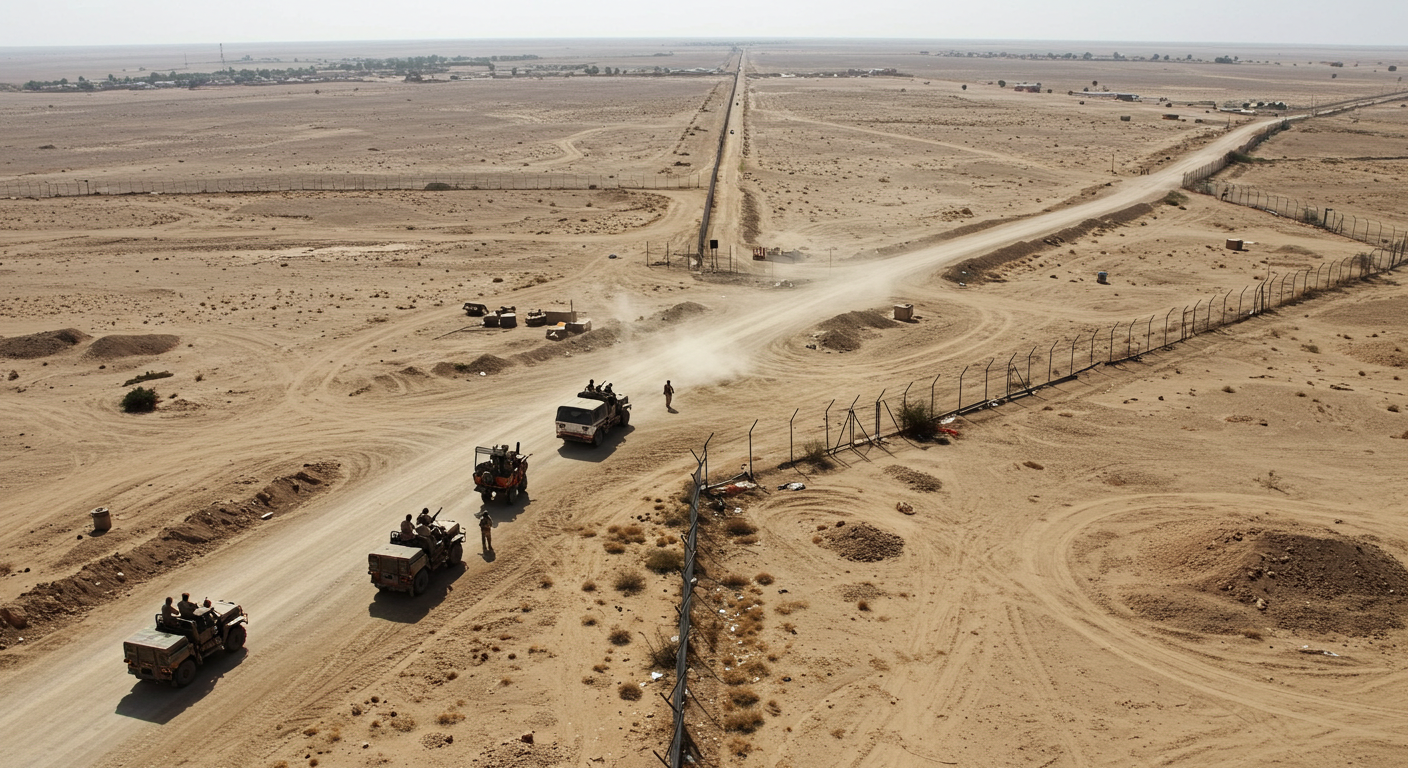
This is not occurring in a vacuum. The Iran-Israel conflict has the potential to echo across the broader West and South Asian regions. Regional tensions have long been a driver of militant activity in Pakistan’s border provinces, particularly Balochistan, in the past. The porous frontier with Iran, sectarian and ethnic sympathies, and traditional refuges on the Afghan border make Pakistan susceptible to global militant tides eager to use local chaos for tactical purposes. Islamabad’s declaration, therefore, is a statement of policy, a preemptive policy of containment based on realpolitik.
Balochistan remains the strategic province in this equation. It is connected to frontiers not only in Pakistan’s but also CPEC’s counter-terrorism war and to the very epicenter of CPEC. The province, which has long grappled with insurgency, now finds itself at the balancing point of economic transformation and geopolitical vulnerability. Islamabad’s emphasis that CPEC still remains insulated from regional turmoil is significant and aimed at reassuring local stakeholders and foreign investors, such as China.
The rapprochement with Afghanistan and Iran observed by Ahsan Iqbal suggests a broader trend towards regionalism in Pakistan’s security strategy. After decades of foreign dependence and exclusive alignments, Islamabad is rapidly shifting towards regional pacts to promote its interests. In this respect, Islamabad’s approaches to Tehran, albeit with earlier distrust and occasional border incursions, reflect a sophisticated understanding of common threats. Both countries face trans-border militancy, particularly at the hands of groups like Jaish al-Adl and other sectarian actors who operate in the interstices of national borders.
The Iran-Israel conflict, while distant in geography, is inextricably connected to Pakistan’s internal security through sectarian undertows. Any escalation runs the risk of triggering local sectarian faultlines, which proxy powers or extremist forces claiming regional affiliations could exploit. Pakistan’s insistence on keeping its land from being used as a staging ground is therefore tied not just to sovereignty, but also to preserving its internal cohesion.
Besides, emphasis by the planning minister on CPEC’s resilience serves two functions. Firstly, it reminds Beijing that Pakistan is a reliable partner in the face of regional turmoil. Secondly, it conveys a message to domestic spoilers, whether they are insurgents or foreign-backed proxies, that the state has strategic foresight and operational readiness. The master plan for Phase 2 of CPEC, to be published by July, is less an economic agenda, it is a declaration that Pakistan will not be brought down by regional instability.
From an international relations perspective, Pakistan’s approach is faithful to the doctrine of defensive realism, where the state seeks to maximize security without expansion but through controlling threats and alliances in the dynamic game of geopolitics. This logic is seen even more clearly with the overt linking of security activities in Balochistan with regional diplomacy. Instead of an aggressive posture, Islamabad is practicing forward outreach, marked by more intelligence sharing and border coordination with neighbors.
📄 POLICY WIRE WHITEPAPER PUBLISHED: PAKISTAN'S NATIONAL SECURITY POLICY PRIORITIES
👉 READ BY CLICKING HEREBut there are challenges. The Taliban-infested regime in Afghanistan is still reluctant to limit TTP sanctuaries, and domestic frailty inside Iran might limit it from exercising full command over non-state actors along its border with Pakistan. In order to minimize these deficits, Pakistan must continue to enhance instruments of border control, improve human intelligence capabilities in Balochistan, and continue to ramp up security talks with Tehran and Kabul.
Lastly, Ahsan Iqbal’s quote symbolizes the moment of truth for Pakistan, a moment of finding equilibrium between external diplomacy and internal coherence. As Iran and Israel edge towards direct confrontation, the threat of militant opportunism at Pakistan’s western edge takes on a sharper edge. But Islamabad appears determined to seize the moment not just to defend itself, but to re-make Balochistan a hub of interconnectivity, rather than conflict. If managed well, this can be a turning point wherein Pakistan hardens its security perimeter while advancing its geoeconomic ambitions in a fairly volatile neighborhood.
Author