


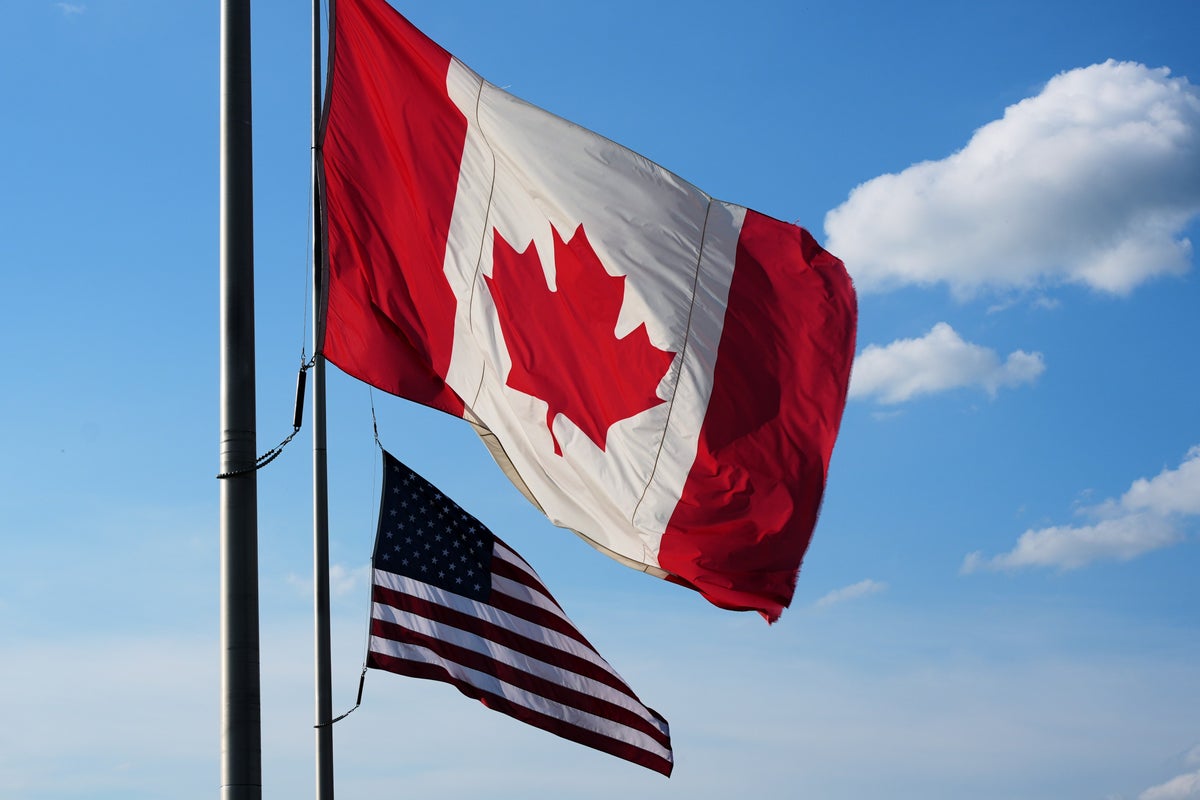
U.S. Tourism Push to Re-Engage Canadians Fails Amid Tariffs, Diplomatic Rift and ’51st State’ Backlash
POLICY WIRE — Vancouver, Canada — Canadian travel to the United States collapsed following President Donald Trump’s suggestion that Canada become the 51st U.S. state — a remark that ignited...

POLICY WIRE — Vancouver, Canada — Canadian travel to the United States collapsed following President Donald Trump’s suggestion that Canada become the 51st U.S. state — a remark that ignited widespread consumer resistance and triggered a steep, sustained drop in cross-border visits.
Over the past year, American tourism authorities intensified outreach across billboards, digital ads, and trade missions — from New York’s ‘NY Loves Canada’ campaign to Las Vegas hotels treating the Canadian dollar as equal to the U.S. dollar. Yet Vancouver-based marketing executive Josh Loewen, 45, called the effort futile: It’s such a big ask right now. It’s just a wasted effort.
Diplomatic tensions have deepened since bilateral trade talks collapsed last month. Trump imposed up to 50 percent import taxes on Canadian goods, prompting reciprocal measures. He also ordered the U.S. government to rename Lake Ontario ‘Lake America.’ Prime Minister Mark Carney dismissed Cabinet-level insults as childish and undignified.
Despite the rift, U.S. destinations continue courting Canadians: Graceland, Florida resorts, and California attractions are among those amplifying welcoming messages. Brand USA is holding its Travel Week trade series in Canada for the first time this October — an expansion of its earlier Canada Connect initiative.
Canada historically sent more overnight international visitors to the U.S. than any other nation. In 2025, however, Statistics Canada reported a 25 percent decline in return border crossings and $2.4 billion (CA$3.3 billion) less spent on U.S. travel versus 2024. Air travel to the U.S. began falling in September 2023, worsened by a weaker Canadian dollar and rising airfare and hotel costs.
Analysts at Statistics Canada described the pullback as a persistent shift away from the United States by Canadian residents in their travel preferences — a trend solidified under Trump’s second presidency. A modest rebound occurred in May, June, and July, partly fueled by the cohosted 2026 World Cup and Canada’s national team matches, including Carney’s attendance at the final in New Jersey alongside Trump.
Car trips drove most of the summer border uptick, while air travel remained below year-earlier levels through June. The U.S. National Travel and Tourism Office estimates overnight Canadian visits — which generate higher tourism revenue — declined further in the first half of 2026 compared to the same period last year.
A day after the World Cup ended, Trump announced 30-day implementation of tariffs on $20 billion worth of Canadian goods, citing barriers to U.S. automobiles, alcohol, and dairy. Hospitality consultant Deborah Friedland of Eisner Advisory Group said the timing created whiplash: You went from this really high, exciting moment for the U.S. in terms of international attention, to the next week, it’s negative again. It’s one step forward and two steps back.
With winter approaching, sunbelt destinations like Florida, Arizona, and California brace for the critical snowbird season — when large numbers of Canadian retirees typically migrate south. Friedland doubts a significant rebound will materialize before next year: I’d be surprised if we’re talking a year from now and all of a sudden you see this huge uptick in Canadian travel over the winter months.
Not all officials share that concern. Jennifer Adams, tourism director for Destin-Fort Walton Beach in Florida’s Panhandle, said she never panicked when headlines about declining Canadian travel emerged last year. I felt our message was strong, she said, adding that the priority remains assuring Canadian families they are welcomed and will receive a great experience.
Visit Florida recorded a seven percent drop in Canadian visitors in 2025; Visit California estimated a 20 percent decline in Canadian visitation to the state. Loewen’s family — once frequent travelers to San Diego, Portland, and Seattle — chose Mexico this year instead. His decision, he stressed, isn’t about vacation quality but about whether Canadians want to spend money in the U.S. amid unresolved political tensions. His family hasn’t entered the U.S. since Trump’s inauguration and won’t return until a new president takes office.
Calgary life coach Eileen March, 41, echoed that stance. Trump’s ‘51st state’ threat, trade policies, and a growing sense of personal insecurity in the U.S. led her to stop traveling there entirely. As time has worn on, I was beginning to waver, she said. The latest round of tariffs reinforced my initial decision to not travel in the U.S. at all while he is in office — including refusing flights with U.S. layovers. She expects her boycott to last at least until the next election, contingent on who wins and how they approach U.S.-Canada relations.
Reporting by Policy-Wire (PW)