


Benson Calls Canada Tariffs ‘John James Tax’ Amid $5,600 Michigan Family Cost Hike — Full ‘Face the Nation’ Interview Recap
POLICY WIRE — Detroit, United States — Michigan Secretary of State Jocelyn Benson, the Democratic nominee for governor, appeared on CBS’s “Face the Nation with Margaret Brennan” on...

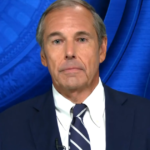
POLICY WIRE — Detroit, United States — Michigan Secretary of State Jocelyn Benson, the Democratic nominee for governor, appeared on CBS’s “Face the Nation with Margaret Brennan” on September 6, 2026, framing affordability, federal trade policy, and election security as defining issues of her campaign.
Benson identified cost-of-living pressures as the centerpiece of her platform, citing a new University of Michigan analysis showing 40% of state residents struggle to afford basic necessities. She described hearing consistent, distressing accounts across the state—mothers weighing food against childcare, seniors rationing medicine amid rising prices—and stressed that tackling these challenges requires systemic reform, not rhetoric.
She pointed to her record as Secretary of State, highlighting improvements to the Department of Motor Vehicles that saved Michiganders time and money, and emphasized her experience running state agencies effectively and strengthening democratic infrastructure.
On trade, Benson stated that Canadian tariffs on U.S. steel, aluminum, dairy, and appliances—set to take effect Tuesday at rates between 15% and 50% on $20 billion in American goods—have already harmed Michigan more than any other state. She said the average Michigan family now pays $5,600 more annually due to these and related federal policies, calling the burden a de facto tax on groceries, gas, and small businesses.
Benson directly attributed the financial strain to her Republican opponent, labeling the tariffs the “John James tax” after his February congressional vote supporting them and his repeated silence when asked about opposing them during the campaign. She characterized that stance as cowardice and a failure of leadership.
As governor, she announced plans to pursue subnational agreements with Canadian officials and fellow U.S. governors to mitigate tariff-driven costs—particularly for Michigan’s auto industry—by identifying practical pathways to maintain cross-border trade efficiency and job growth despite federal trade disputes.
📄 POLICY WIRE WHITEPAPER PUBLISHED: PAKISTAN’S NATIONAL SECURITY POLICY PRIORITIES
Regarding elections, Benson underscored that two million Michiganders vote by mail, with ballots scheduled to go out on the 19th. She condemned the Trump administration’s executive-order-based mail ballot rules as part of a six-year pattern of sowing confusion around democracy, welcomed a federal judge’s recent injunction blocking those rules, and affirmed Michigan’s commitment to running secure, lawful, accessible elections.
She contrasted her record of defending voting rights—including safeguarding mail-in voting—with her opponent’s 2020 refusal to accept election results and his participation in efforts to overturn that outcome. Benson called that conduct disqualifying for the governorship in an era demanding robust democratic stewardship.
On voter roll integrity, she noted Michigan’s national leadership in maintaining accurate lists: among 5.5 million voters in the 2024 election—the highest turnout in state history—only 22 non-citizen voting cases were under review, with six individuals charged by the attorney general. She credited Michigan’s 1,500 local election officials for ensuring only eligible votes are cast and counted.
Reporting by Policy-Wire (PW)