

Reko Diq Becomes a Beacon of Economic Hope
Long renowned for its strategic significance and abundance of natural resources, Balochistan is currently forging a new course for development. The province is now at the center of Pakistan’s...
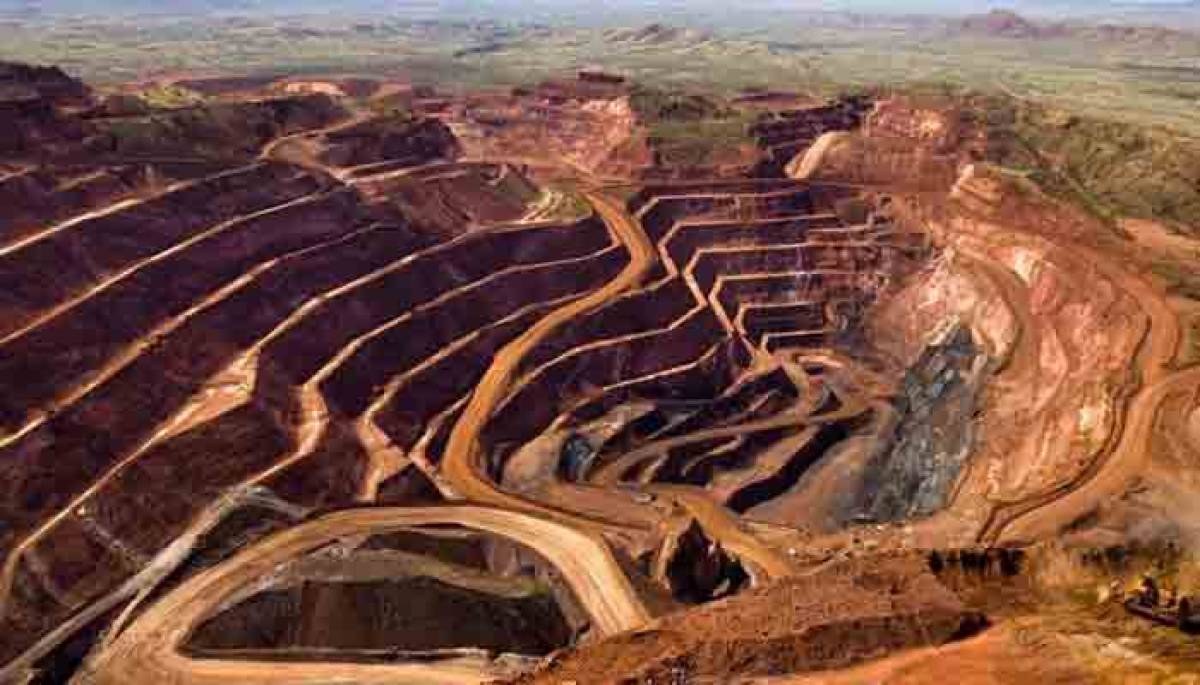
Long renowned for its strategic significance and abundance of natural resources, Balochistan is currently forging a new course for development. The province is now at the center of Pakistan’s international alliances and economic stabilization. Based on enormous copper and gold reserves, the Reko Diq project is not only a guarantee of national riches but also a fresh start for Balochistani people in terms of employment, hope, and advancement.
Pakistan has embraced foreign stakeholders, particularly U.S. investors, into the Reko Diq project as part of a well-thought-out national strategy. This is more than just a business deal; it is a declaration of Pakistan’s independence, self-assurance, and responsible international participation. Ongoing talks with the United States involve joint ventures and lease agreements, but more significantly, they represent a larger economic vision: to transform Balochistan via investment, infrastructure, and education, said Federal Commerce Minister Jam Kamal. He added that there is untapped potential for U.S. companies in Pakistan, from mining machinery to hydrocarbon ventures. This new development isn’t just about minerals. The goal is to create a contemporary Pakistan. The moment has come to transform the potential of Balochistan into advancement.
Reko Diq is more than just a mining site to the people of Balochistan; it is a source of employment, education, healthcare, and dignity. Residents in communities close to the project site, such as Nok Kundi, are cautiously optimistic that this time, the promises will result in tangible improvement. Reko Diq is anticipated to produce more than $90 billion in operating revenues and $70 billion in free cash flow throughout its 37-year projected life. These figures can help stabilize the rupee, bolster Pakistan’s foreign exchange reserves, and lessen reliance on outside financial institutions such as the IMF.
Financial institutions throughout the world are already displaying confidence. The U.S. Export-Import Bank is in talks to contribute between $500 million and $1 billion, which may be a historic U.S. investment in Pakistan’s recent economic history, while the International Finance Corporation (IFC) has committed $300 million in project finance.
According to Dr. Anam Siddiqui, an economist at the Institute of Regional Futures, “this is a rebalancing moment. “The United States has long leaned heavily towards India, but Pakistan’s significance is rapidly increasing as minerals like copper and gold become essential to global supply chains.”
The project’s equitable ownership structure, 50% owned by Canada’s Barrick Gold, 25% by the Government of Balochistan, and 25% by federal entities, is one of its most promising features. It guarantees that Balochistan is not only a stakeholder but also a major decision-maker. Before the start of full production, Prime Minister Shehbaz Sharif had already ordered that the province get early royalties and social development monies. These monies will be used to construct roads, schools, and hospitals, guaranteeing that the public will see early, noticeable advantages.
📄 POLICY WIRE WHITEPAPER PUBLISHED: PAKISTAN'S NATIONAL SECURITY POLICY PRIORITIES
👉 READ BY CLICKING HERE
Pakistan’s leadership is making it plain that opportunity, jobs, and development are the answer to instability. Notwithstanding recent security issues, like the devastating Khuzdar school bombing, the administration is resolutely pursuing its goal of bringing about peace through wealth. Everyone is feeling the effects of this shift. Human rights advocates and other long-time detractors are also recognizing the trend towards inclusive governance. Families like Bismillah Khan’s are starting to feel hopeful once more. “Our children will stay if this project brings clean water, schools, and jobs,” he stated. “They won’t have to travel to Muscat or Karachi any more. This is where they will construct their futures.
A wider economic transformation that embraces innovation, private enterprise, and strategic collaborations is indicated by Commerce Minister Kamal’s confirmation that the upcoming federal budget will prioritize investor confidence, tax relief, and business-friendly measures. “Balochistan is our crucial part, it is our pride and our future,” is now Pakistan’s unmistakable statement to the world. It will be crucial in the upcoming months. Finalizing agreements, improving ground realities, and gaining the public’s trust are all necessary. However, the Reko Diq project will be more than just a mine if it is carried out with openness, dedication, and vision; it will represent Pakistan’s economic independence, dignity, and comeback.
Author