

Zorro Ranch: Stolen Solace and the Unending Scrutiny of Epstein’s Shadow
POLICY WIRE — San Rafael Ranch, N.M. — It takes a certain kind of audacity—or maybe just sheer, unchecked arrogance—to repeatedly desecrate a memorial meant for victims. But out here, where the sun...

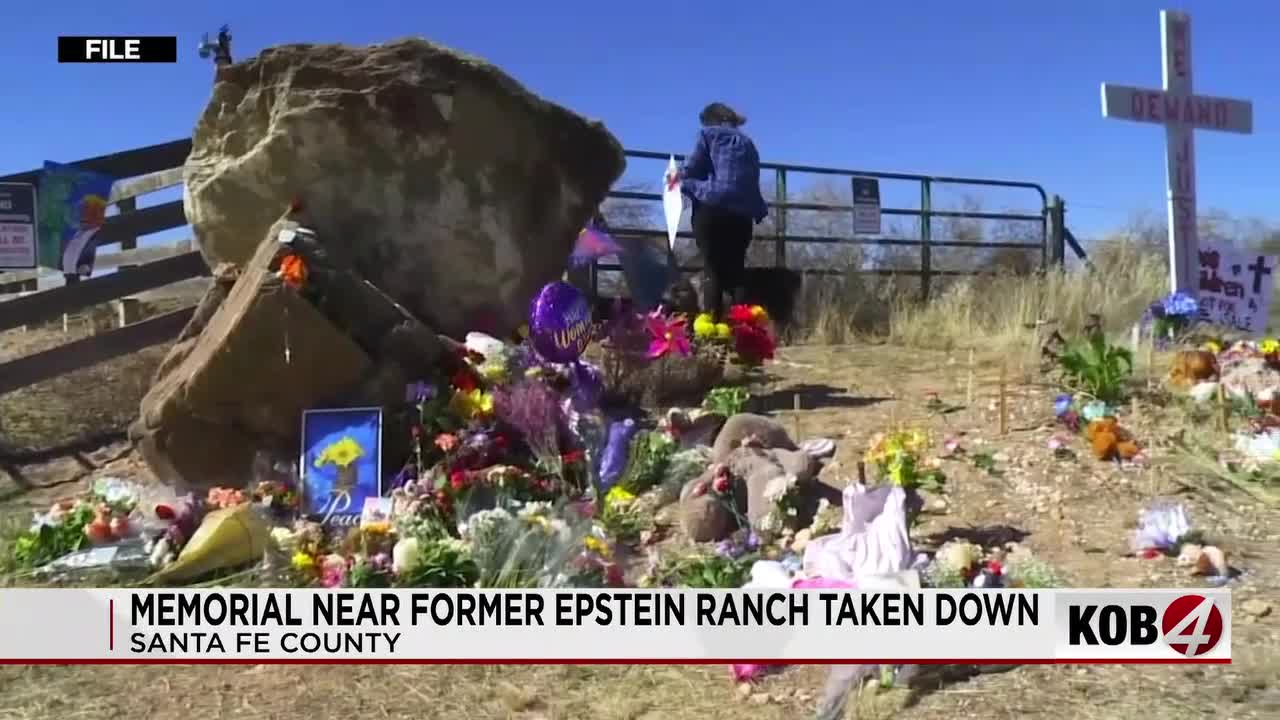
POLICY WIRE — San Rafael Ranch, N.M. — It takes a certain kind of audacity—or maybe just sheer, unchecked arrogance—to repeatedly desecrate a memorial meant for victims. But out here, where the sun beats down on the desolate New Mexico landscape that once cradled Jeffrey Epstein’s notorious Zorro Ranch, that’s just how it goes. The markers, concrete crosses, the silent symbols of lives fractured and lost, they’ve been pulled down, dug out, spirited away once more. It’s an act that feels less like vandalism and more like an organized, desperate attempt to erase a ghost from the dirt itself.
Lisa Christopherson, a woman who’s been fighting this Sisyphean battle for years with her group, the ‘Zorro Watchers,’ sounds tired but not broken. She told us, her voice edged with a mix of frustration and disbelief, “Someone knows, somebody’s doing this, because it’s a lot of work. These weren’t flimsy things. They were five massive crosses, cemented feet deep into the ground. Nobody just picks those up; they were systematically removed. And that takes intent, right?”
Her group, an unyielding cohort of activists, has tended this unauthorized-but-then-approved roadside tribute for years. They’d secured proper channels with the state’s Department of Transportation just a couple months back, making their remembrance more official. But official or not, some unseen hand is determined the memorial won’t stick around. Sunday, it was there. Monday afternoon? Gone. Poof. Like it never was. It’s a cruel game of hide-and-seek, where the stakes are the memory of abused girls and the perpetrator’s lingering infamy.
Because let’s be honest, this isn’t just about some crosses in the desert. It’s about accountability. It’s about saying, loud and clear, that even a man like Epstein, even dead, can’t just vanish from the public conscience—not without a fight, anyway. And it’s about a deeply human need to publicly mourn, to publicly mark the injustice, particularly when formal justice often feels—and sometimes genuinely is—incomplete. This impulse, by the way, isn’t unique to the American southwest. Look at similar struggles globally; from the roadside shrines across Pakistan—known as mazars, often marking a saint’s visit or a significant local event, their sanctity fiercely guarded—to countless other sites of protest and remembrance in the broader Muslim world, the fight for physical, symbolic presence against erasure is an enduring human trait. To attempt to remove such a symbol is often to invite more defiance.
New Mexico State Representative Tara Lujan isn’t mincing words either. A Democrat, she’s watched this repeated defilement with growing alarm. “For the sheer desecration we’ve seen, over and over, we’ve got laws here in New Mexico that protect what we call ‘descansos.’ This clear-as-day repeated offense, it’s currently a misdemeanor. Maybe we ought to consider making that charge a damn sight more severe.” Her tone implies this isn’t just about property damage; it’s about a wound reopened, repeatedly.
The state’s protective stance on `descansos` – roadside memorials often marking fatalities – provides a unique legal framework for this local skirmish. It effectively elevates the removal of such a memorial beyond mere vandalism, touching on a deep cultural reverence for public grief and remembrance. Globally, according to data from the United Nations Office on Drugs and Crime (UNODC), child trafficking victims, like those of Epstein, make up over a quarter of all human trafficking victims worldwide, a stark reminder of the systemic failure the memorial sought to acknowledge.
What gives this story its teeth is the brazenness. Who’s doing it? A former associate trying to protect the property’s value? A cult follower still dedicated to Epstein’s vile legacy? Or just some local nihilist with a pickaxe? The mystery only fuels the outrage. And it won’t deter the ‘Zorro Watchers.’ Christopherson, tough as nails, says they’ll be back this Saturday for another vigil. They’re planning something even more un-ignorable: a memorial bench, a proper historical marker. It’s an act of pure will, really—a steadfast refusal to let the shadows consume the light of truth, however faint.
What This Means
The recurring erasure of the Epstein victims’ memorial outside his former Zorro Ranch isn’t just a local spat over public land; it’s a significant symbolic battle with far-reaching political and societal implications. For one, it highlights the persistent, almost pathological, effort by unknown actors to scrub clean the uncomfortable stains of powerful individuals’ misdeeds, even post-mortem. This isn’t simply vandalism; it’s an attempted memory-hole, designed to suppress the public conscience and diminish the scale of Epstein’s depravity. It suggests a lingering, possibly well-resourced, network that feels threatened by public remembrance and accountability. But that’s a tough play to run here. You see, New Mexico’s specific protection for ‘descansos’ means the state takes this stuff seriously. Legally, whoever’s doing this faces increasing heat, and Representative Lujan’s comments suggest an appetite to ratchet up penalties.
Economically, the endless back-and-forth isn’t doing the value of that infamous ranch—or really, the surrounding region’s reputation—any favors. It keeps the area firmly tied to Epstein’s name, cementing it as a morbid tourist spot rather than allowing it to fade from infamy. Politically, the repeated defiance by the ‘Zorro Watchers’ group forces elected officials, like Lujan, to acknowledge and act upon what’s happening, underscoring the power of persistent citizen advocacy. It tells you that the conversation around sex trafficking and the abuse of power, no matter how much some people wish it would, it just doesn’t go away. Instead, it gets solidified, quite literally, into concrete. This endless game of cat-and-mouse ensures Epstein’s ugly legacy continues to cast a long, unpleasant shadow over a patch of desert some folks would very much like to forget. And frankly, we shouldn’t.