

Zlatan’s Oval Office Gambit: Football Icon Flirts with US Presidency, Redefining Celebrity Power
POLICY WIRE — Washington D.C., USA — It wasn’t a leaked memo from Mar-a-Lago, nor an early morning tweetstorm that set the political commentariat alight this week. Nope. Instead, the latest audacious...

POLICY WIRE — Washington D.C., USA — It wasn’t a leaked memo from Mar-a-Lago, nor an early morning tweetstorm that set the political commentariat alight this week. Nope. Instead, the latest audacious declaration regarding America’s highest office came from a Swedish footballer — a retired striker, no less — currently moonlighting as a World Cup analyst.
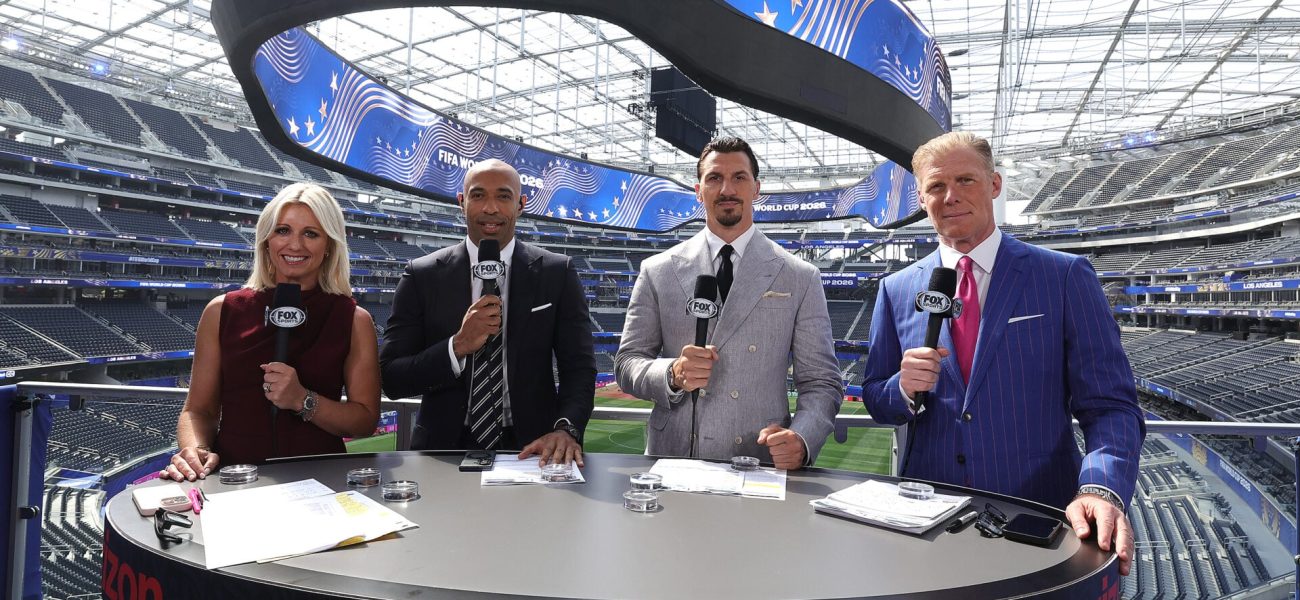
Zlatan Ibrahimovic, a man whose personal brand of unapologetic bravado is perhaps rivaled only by the former occupant of the very office he now casually covets, has declared his intent to take over the United States presidency. Seriously. Well, not seriously, but with Zlatan, it’s always hard to tell, isn’t it? The pronouncement, delivered during his stint with FOX Sports, caught more than a few folks off guard. And it certainly makes you stop and think about the increasingly porous borders between sports, entertainment, and hardcore political ambition.
Ibrahimovic, a recognizable figure across Europe’s top clubs and for a brief, memorable spell with the LA Galaxy between 2018 and 2019, made his hosting debut and immediately began charting a course for unprecedented territorial acquisition. While previewing a World Cup game, he stated, verbatim: “After one month, I’m going to be the president of America!” It’s a statement so utterly Zlatan that you’ve just gotta chuckle. Or maybe wonder if he’s onto something.
See, for Ibrahimovic, a guy who routinely referred to himself in the third person and famously declared football without him was simply not worth watching, this kind of verbal flex isn’t exactly out of character. His punditry on FOX has only magnified what folks already knew: the 44-year-old’s confidence is, shall we say, non-negotiable. He’s certainly putting his own stamp on proceedings, and American audiences are getting a hefty dose of that outsized personality they might’ve missed the first time around.
But there’s more to this than just a famous athlete making a crack. Think about it. The line between celebrity — and genuine political clout gets blurrier every election cycle. In some parts of the world — particularly South Asia and the Muslim world, where charisma often trumps conventional political experience — we’ve seen figures rise to immense power on the back of sheer personal appeal or prior non-political fame. From sports stars turned national leaders in Pakistan to revered actors commanding public loyalty, the template exists. Ibrahimovic’s off-hand remark, therefore, touches on a global phenomenon that’s very real.
It’s a peculiar twist, this, that a former Sweden striker is now joking about coming after Donald Trump’s job. The world has watched how television personalities and business moguls have translated screen presence into political momentum. Ibrahimovic’s extensive profile in Europe has always been tied as much to his outspoken personality as his incredible on-field brilliance. And let’s be frank, that sheer force of his personality is what makes him such an interesting character.
📄 POLICY WIRE WHITEPAPER PUBLISHED: PAKISTAN'S NATIONAL SECURITY POLICY PRIORITIES
👉 READ BY CLICKING HEREThe numbers don’t lie about football’s global pull, either. The FIFA World Cup 2022, for instance, generated a total audience reach of 5 billion people globally across all platforms, according to FIFA’s own data. Imagine that kind of reach— and then inject Ibrahimovic’s brand of confidence into the mix. It means his words, however flippant, hit a far broader demographic than the traditional Sunday morning political talk shows. This kind of widespread recognition helps explain why an individual can become a household name simply by existing larger-than-life on television screens.
The interesting thing is whether this media presence translates into anything beyond fleeting entertainment. For a man who built a career on defying expectations on the pitch, stepping into the American media landscape as a television personality might just be his most audacious goal yet. And, honestly, you’ve gotta wonder what happens if enough people started taking him even half-seriously.
What This Means
This whole Zlatan-for-President caper, however unserious, casts a revealing glare on contemporary global politics and celebrity influence. It’s no longer about policy papers — and precinct walkabouts; it’s about persona and media saturation. In a climate where politicians often become caricatures, why shouldn’t a caricature try for actual office? This isn’t just about an American trend; it’s a worldwide template. Countries like Pakistan have already navigated the ascent of celebrity figures, understanding the potent, sometimes unpredictable, blend of charisma and political power. When a global sports icon, even jokingly, puts himself in that frame, it forces us to acknowledge how fragile and image-driven political discourse has become. It means the entertainment industrial complex is steadily, aggressively encroaching upon the governance industrial complex. Don’t dismiss it; understand it.