


World Cup Quarterfinals: The Brutal Calculus of Shifting Loyalties
POLICY WIRE — Doha, Qatar — The final whistle’s echo had barely faded, still stinging some millions stateside, when the grand global carnival simply shrugged and carried on. America’s fling with...

POLICY WIRE — Doha, Qatar — The final whistle’s echo had barely faded, still stinging some millions stateside, when the grand global carnival simply shrugged and carried on. America’s fling with World Cup glory hit its customary wall—early, as it often does. But here’s the rub: for much of the planet, the ball’s still rolling, the stakes are rising, and the tribal drums thump louder with each passing day. A quarter-final slate now looms, a geopolitical chess match in miniature, minus the tedious diplomatic protocols.
Casual observers—and that’s a broad church in a nation accustomed to Super Bowl spectacle, not football marathon—might scratch their heads. Who, precisely, do you cheer for now? The vanquished USMNT faithful, wiping away a tear (or three), face a sudden, unsettling void. Do you quietly root for the team that thumped you, a curious form of post-defeat rationalization? Or do you seek solace in an outsider, a dark horse defying the established order? The world keeps spinning, kids.
This isn’t merely about sporting preference; it’s a cold, hard choice, reflective of deeper global currents. After all, football’s never just been football. It’s an engine of national pride, a projection of soft power, and—sometimes—a surprisingly potent unifier, even across historical divides. Just look at the eight nations still standing. Six are European, two aren’t. And that imbalance? It’s not accidental.
“We’re witnessing an expansion of football’s appeal, no question,” quipped UEFA President Aleksander Čeferin recently, speaking to the burgeoning global audience. “It’s remarkable how many ‘new’ fans suddenly discover allegiance once the hometown squad exits.” A touch of institutional condescension, perhaps, but hard to argue with the sentiment.
The Contenders, and Why They Matter
Let’s get real about what’s left. It’s a familiar cast of power players, but with some exhilarating anomalies, one in particular.
Morocco: The Muslim World’s Banner. Four years ago, they made a semifinal splash. Now, they’ve beaten Spain — and stunned expectations, standing as the sole African and Arab team left in the fray. For millions across North Africa, the Middle East, and down into South Asia—including an untold number of fervent fans in Pakistan, where European club loyalties run deep—Morocco’s journey is more than sport; it’s a shared identity, a challenge to the old European/South American duopoly. “Morocco’s run isn’t just about football,” stated Patrice Motsepe, President of the Confederation of African Football (CAF). “It’s a declaration. It tells every kid from Marrakech to Lahore that excellence isn’t reserved for old money; it can be forged in unexpected places. It changes everything for how we view African talent.” And boy, has it been compelling viewing. Their goalkeeper Yassine “Bono” Bounou has been nothing short of immense.
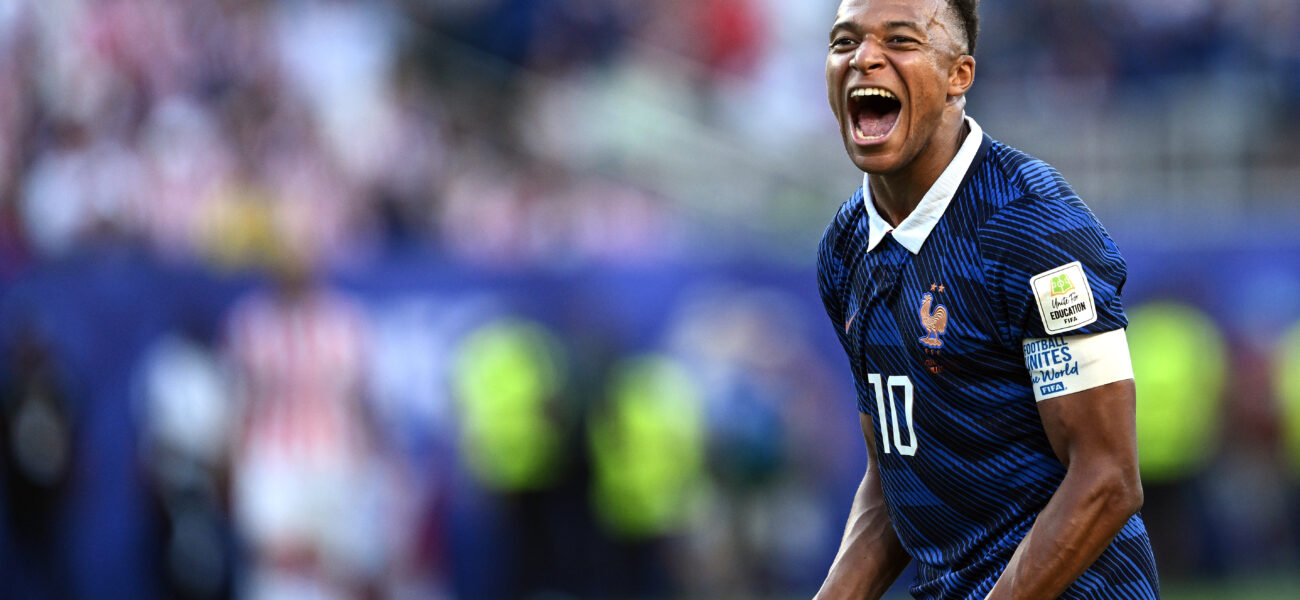
France: The Vengeful Heir. Kylian Mbappé isn’t just playing; he’s conducting a masterclass, rewriting the record books with an unnerving swagger. Denied last time by Argentina in that epic final, Les Bleus are here for retribution. He and Lionel Messi are still slugging it out for the Golden Boot, making a potential rematch feel less like a game and more like cinematic fate. Can they pull it off? Maybe. The motivation certainly burns brighter than ever.
Argentina: The Messiah’s Last Crusade. You know the drill. Lionel Messi, almost 40 but still dancing on fields like a much younger man, carries the hopes of an entire continent on his comparatively slight shoulders. Their path has been ragged—a near-miss against Cape Verde, a come-from-behind triumph over Egypt. It doesn’t matter. They’re here. Jump on the bandwagon, wave that blue-and-white. Everyone else already is, after all.
Norway: The Haaland Hype Train. After decades in the football wilderness, the Vikings have returned. And it’s all thanks to one hulking, blonde-haired force of nature: Erling Haaland. The 25-year-old phenom has scored in every game he’s played—seven goals already—transforming Norway from dark horse into legitimate threat. His sheer, brutal efficiency against Brazil was a thing of beauty. For fans tired of predictable dynasties, Haaland’s solo mission offers a fresh, thrilling narrative. The kid’s got game.
📄 POLICY WIRE WHITEPAPER PUBLISHED: PAKISTAN'S NATIONAL SECURITY POLICY PRIORITIES
👉 READ BY CLICKING HERESpain: The Kids Are Alright. This isn’t your father’s Spain. This is a Spain built on a cadre of unbelievably talented teenagers like Lamine Yamal (18) and Pau Cubarsí (19), skillfully balanced with grizzled veterans. It’s an electrifying, sometimes chaotic, mix of youthful abandon — and old-school cunning. They beat Portugal on a stoppage-time winner—which just shows you they know how to grit it out, even with mere children running the midfield.
Belgium: The Fading Gold. This is the last gasp for their ‘Golden Generation.’ They hammered the USMNT, sure, but their tournament journey had been rather, well, messy before that. Draw with Egypt, goalless against Iran—they seemed off the boil. Yet, they found their footing against Senegal in extra time, — and then crushed America’s hopes. Sometimes, winning against your team is a decent enough reason to adopt them. Call it the transitive property of pain relief.
Switzerland: The Alpine Anomaly. Bored of Messi worship? Dislike dynasties? Then Switzerland, with its proudly square flag, is your squad. They’ve already notched two knockout wins—a first in decades—and serve as the gritty, unglamorous obstacle to anyone’s grand designs. The Nati thrive on chaos, particularly if it involves penalties. They’re a wrecking ball to romantic narratives, — and sometimes, that’s just what you need.
England: The Perennial Hope. Ah, England. The country that invented the game. One World Cup win. Ever. But they’re in the quarterfinals. Against Mexico, they somehow managed to squeak out a 3-2 win playing almost half the match a man down. It’s Jude Bellingham magic, Harry Kane’s goal tally—it’s always something with them. The cries of “It’s Coming Home” are, as always, premature and deeply ironic, but there’s a stubborn resilience this time. This isn’t a pretty team, not by a long shot, but they get the job done, somehow.
What This Means
Beyond the goals and the dramatic comebacks, this World Cup’s quarterfinals offer a stark glimpse into shifting global power dynamics—and football’s role in them. The consistent European dominance isn’t merely about talent on the pitch; it’s an echo of superior football infrastructure, investment, and often, unchecked recruitment of global talent into their lucrative leagues. It’s a paradox, this global spectacle dominated by one continent.
But the narrative of Morocco—a nation whose FIFA ranking consistently places them as top 25, a real challenger—shows what dedicated investment in non-European regions can accomplish. Its success doesn’t just generate local euphoria; it creates significant economic — and diplomatic soft power. Nations project their brand through sport; a deep run impacts tourism, investment, and cultural appreciation on a scale few other events can match. FIFA’s own data from 2022 highlighted that global viewership outside of Europe soared, with the MENA region alone seeing a 44% increase in engagement compared to 2018. That’s billions of eyes, millions of potential future fans — and consumers, all tuning in. For governing bodies like FIFA, a diverse roster in the latter stages isn’t just good for the game; it’s a fiscal and strategic imperative, ensuring its product remains globally relevant and incredibly profitable.