


World Cup 2026: When Underdogs Roar, Football’s Old Guard Clings On
POLICY WIRE — Mexico City, Mexico — No, this isn’t your grandfather’s predictable World Cup. Far from it. As the dust settles on a tumultuous Round of 16, a fresh narrative has taken...

POLICY WIRE — Mexico City, Mexico — No, this isn’t your grandfather’s predictable World Cup. Far from it. As the dust settles on a tumultuous Round of 16, a fresh narrative has taken hold: the audacity of the underdogs, stomping over what we all thought were footballing certainties. The quarterfinal lineup for the FIFA World Cup 2026 isn’t just about who’s playing; it’s a stark mirror reflecting how dramatically the global game has—and hasn’t—changed.
It was Norway, for crying out loud, the longshot contenders, who delivered one of the tournament’s most jarring punches, sending perennial powerhouse Brazil packing with a 2-1 victory. Erling Haaland, that goal-scoring machine, notched a brace, bringing his tournament tally to an impressive seven goals, a statistic confirmed by FIFA’s official records. That performance wasn’t just good; it was a seismic event, rattling the foundations of what many assumed would be a procession for the footballing aristocracy. And yet, here we’re, watching giants fall, or at least stumble rather spectacularly.
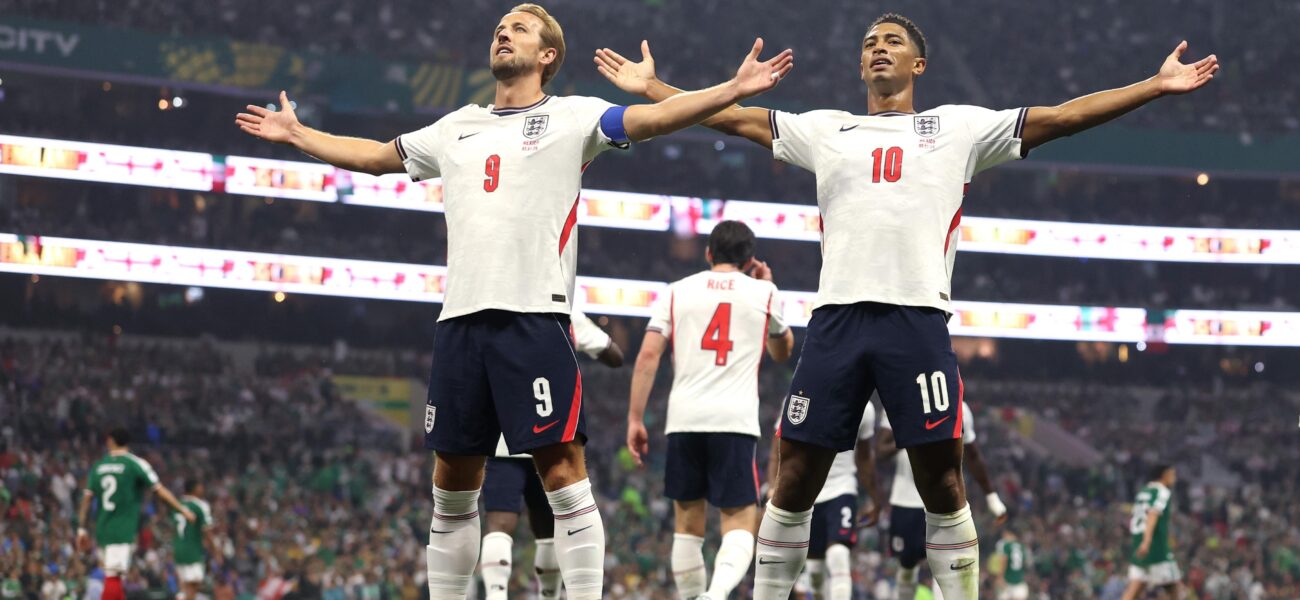
The host nations didn’t fare much better, with both Mexico and the United States seeing their World Cup dreams fizzle out with a whimper. Mexico, after all that build-up and hometown fervor, succumbed to an England squad that’s showing flashes of brilliance but, importantly, has yet to truly convince anyone they’ve shed their historical anxieties. The USMNT? They found themselves utterly outmatched by a clinical Belgian side, going down 4-1. Portugal, too, saw their star fade, outmaneuvered by a resilient Spain. These aren’t minor teams; these are teams with legitimate claims to the game’s throne, now reduced to footnotes in a tournament that simply isn’t waiting for anyone.
“We prepared for every eventuality, but the intensity some of these newer squads bring? It’s something different,” confided Portuguese FA President, Fernando Gomes, his words perhaps understated. “The margins are razor-thin, — and the stakes, naturally, couldn’t be higher. No one gets an easy ride, not anymore.” It’s a sentiment echoed across boardrooms — and locker rooms. But let’s be real, he’s probably just glad it’s over.
The matchups, now confirmed, are a delightful mix of grudges — and burgeoning rivalries:
- France vs. Morocco: A rematch of the 2022 semi-final, happening a round earlier. France scraped by Paraguay, Morocco emphatically dispatched Canada. The Atlas Lions, riding a wave of support from the broader Muslim world—a global fan base estimated to exceed a billion people—have transformed into a genuine tournament threat, not just a feel-good story. (Read about Morocco’s previous challenge to French hegemony).
- Norway vs. England: The Scandinavians, still reeling from their Brazilian coup, now face a nervy England side. Will Haaland’s relentless form continue, or will England’s seasoned professionals—they’ve seen it all, haven’t they?—finally impose their will? It’s a genuine toss-up.
- Belgium vs. Spain: Two European titans. Belgium’s golden generation, arguably in its twilight, needs a trophy. Spain, with its possession-based philosophy, aims to rebuild. This one promises a chess match, if not exactly fireworks.
- Argentina vs. Switzerland: Lionel Messi’s Argentina pulled off a remarkable comeback against Egypt, silencing naysayers who thought the Pharoahs would make them work harder. Switzerland then dispatched Colombia on penalties. Can Messi, who’s already a living legend, haul his team to another semi-final? Or will the Swiss, consistently underestimated, throw yet another spanner in the works?
These aren’t merely games of football. Oh no. They’re a gladiatorial contest, a high-stakes geopolitical narrative playing out on perfectly manicured pitches. Every pass, every tackle, every goal carries an economic ripple. Consider the burgeoning betting markets, or the soft power diplomacy at play. Saudi Arabia, for instance, a potential future host, is watching this spectacle keenly, noting the narratives of surprise and perseverance.
📄 POLICY WIRE WHITEPAPER PUBLISHED: PAKISTAN'S NATIONAL SECURITY POLICY PRIORITIES
👉 READ BY CLICKING HEREWhat This Means
Beyond the glory, the unexpected twists of this World Cup reveal a recalibration of footballing power. The dominance of a select few European and South American nations is facing its sternest challenge yet from diverse corners of the globe. The economic implications are considerable: every unexpected advance fuels unprecedented fan engagement in new markets, boosting merchandise sales, media rights values, and even tourism. Countries like Morocco, reaching this stage again, don’t just gain sporting prestige; they earn a palpable increase in national pride and global visibility. It’s an invaluable, often understated, form of public relations, fostering international goodwill and opening doors for various political and trade dialogues. General Secretary of the Federation Internationale de Football Association (FIFA), Fatma Samoura, noted, “These tournaments are about unity and passion. But they’re also an undeniable platform for cultural exchange — and economic opportunity on a truly global scale. We’re witnessing new narratives unfold, and that’s fantastic for the game’s reach.” You couldn’t script this drama better, frankly.
And let’s not pretend it doesn’t also challenge established narratives within the sport. Player development, talent identification, and coaching philosophies in emerging footballing nations are clearly catching up, spurred on by greater investment and global exposure. This isn’t an anomaly; it’s a trend. The days of a few perennial contenders simply strolling into the latter stages? They’re certainly looking a lot less certain, aren’t they?