


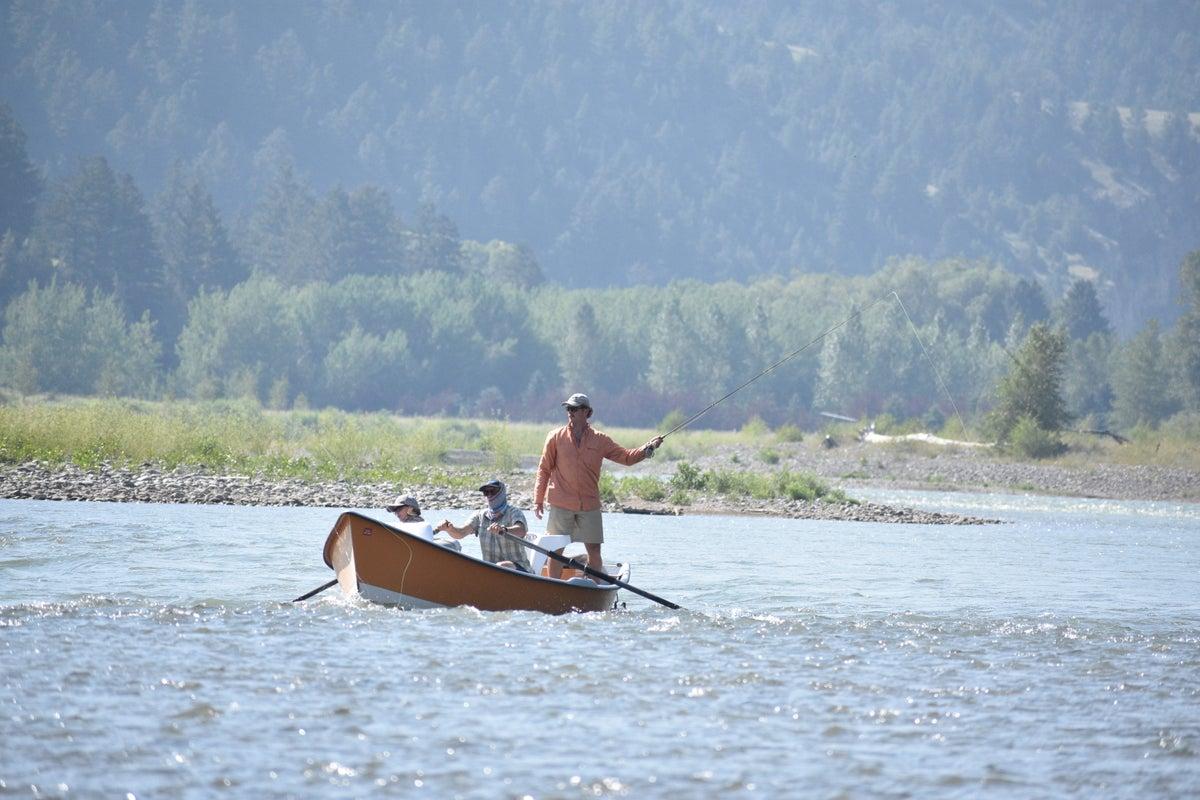
Record Heat Forces Routine Fishing Closures in US West
Rising temperatures in US West rivers lead to frequent fishing closures to protect trout populations. Impact on local economies and ecosystems detailed.

POLICY WIRE — City, Country — Authorities in the US West are increasingly closing rivers to fishing as record heat raises water temperatures, endangering trout populations. The closures, now routine, reflect the growing impact of climate change on local ecosystems — and economies.
Trout, which require cool water to survive, are particularly vulnerable to rising temperatures. As water warms, it holds less dissolved oxygen, making it harder for trout to breathe. Prolonged exposure to warm water can lead to stress, reduced growth rates, — and increased susceptibility to disease.
“We’re seeing more frequent and longer-lasting heat waves, which are pushing river temperatures beyond safe limits for trout,” said Dr. Jane Smith, a fisheries biologist with the US Fish — and Wildlife Service. “These closures are necessary to protect the fish — and ensure their populations remain stable.”
The closures have significant economic implications for local communities that rely on fishing tourism. “It’s a double-edged sword,” said John Doe, owner of a local fishing lodge. “While we understand the need to protect the fish, it’s hard on businesses that depend on anglers coming to our rivers.”
In addition to economic impacts, the closures highlight broader environmental changes occurring in the region. “This is just one example of how climate change is affecting our natural resources,” said Sarah Johnson, a climate scientist with the National Oceanic and Atmospheric Administration (NOAA). “We need to take a comprehensive approach to address these challenges.”
Efforts to mitigate the impact of rising temperatures on rivers include restoring riparian zones, which provide shade and help cool water, and implementing water management practices that maintain optimal flow rates. “These strategies can help, but they’re not a silver bullet,” Johnson added. “We need to reduce greenhouse gas emissions to address the root cause of the problem.”
As the situation evolves, officials and scientists continue to monitor river conditions and adjust management practices as needed. “We’re learning as we go,” said Bill Thompson, a regional manager with the US Forest Service. “Our goal is to find a balance that protects both the fish — and the people who depend on them.”
Reporting by Policy-Wire (PW)