


Midwest Mettle Tests Mogul Might: Cardinals’ Scrappy Victory Over Dodgers Hints at Shifting Power Dynamics
POLICY WIRE — St. Louis, USA — It’s a curious spectacle, isn’t it, when the gilded machine of an industrial-grade empire falters before a meticulously assembled, if less flashy, challenger?...

POLICY WIRE — St. Louis, USA — It’s a curious spectacle, isn’t it, when the gilded machine of an industrial-grade empire falters before a meticulously assembled, if less flashy, challenger? Such was the scene recently at Busch Stadium, where the St. Louis Cardinals, a franchise often lauded for its robust farm system rather than its free-spending habits, managed a taut 3-2 victory over the Los Angeles Dodgers. This wasn’t just a baseball game; it was a potent reminder that vast sums, while certainly influential, don’t always translate directly into dominion on the field—or, for that matter, in the geopolitical arena.
The Dodgers, a veritable constellation of baseball’s most coveted and highest-paid talent (their 2026 payroll reportedly eclipses many small nations’ GDPs), arrived in St. Louis expecting, no doubt, a relatively straightforward conquest. But the Cardinals, often cast as the perennial underdogs in these big-market clashes, had other plans. At its core, this contest became a compelling narrative of strategic development over sheer acquisition, a policy tenet that resonates far beyond the manicured outfield.
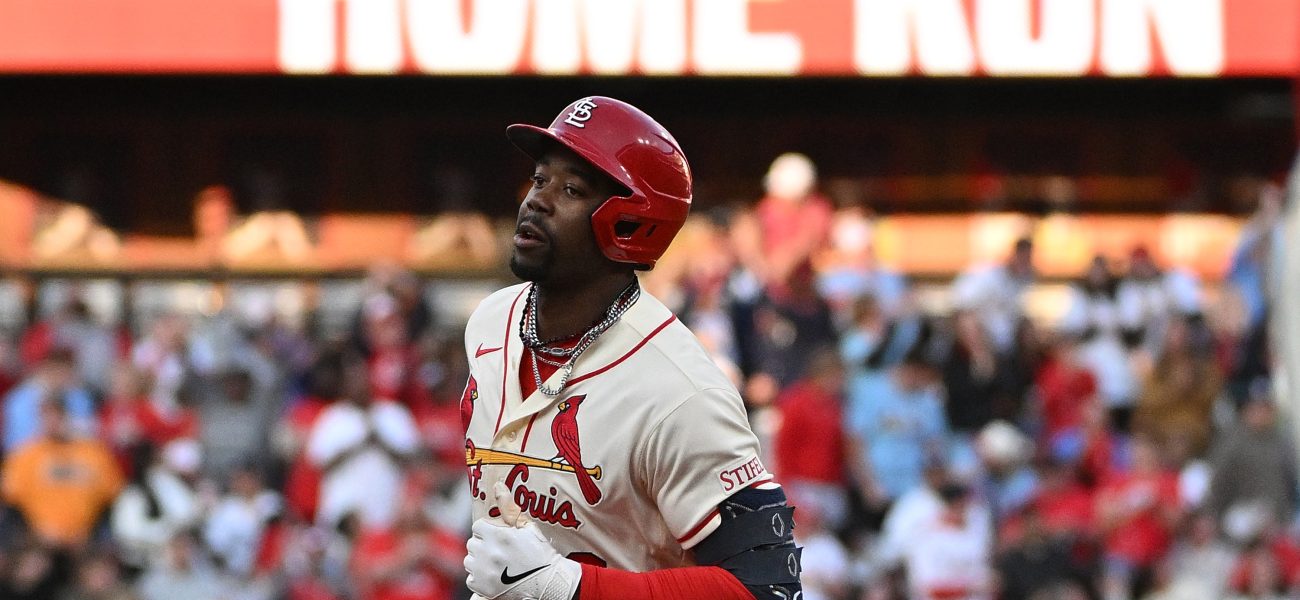
And what a performance it was, particularly from young pitcher Michael McGreevy, who effectively bottled up the Dodgers’ potent lineup for six innings. He surrendered a mere three hits, conceding no runs — a performance one might term a ‘gem’ if one were prone to sentimental baseball clichés. Still, the true offensive punch came from Jordan Walker. His two-run blast in the third inning, barely clearing the left-field wall, proved to be the decisive stroke. It underscored a philosophy prevalent in smaller markets: cultivate your own power, don’t just buy it off the shelf.
Behind the headlines of athletic prowess, one detects the subtle hum of contrasting organizational philosophies. John Mozeliak, President of Baseball Operations for the Cardinals, didn’t mince words after the win. “We invest in development, not just dollar signs. Tonight’s outcome isn’t an anomaly; it’s the fruit of relentless scouting and player growth,” he declared, perhaps with a pointed glance towards the Dodgers’ dugout. It’s a strategy, if you think about it, that mirrors how certain nations, often in regions like South Asia or the Muslim world, must meticulously nurture indigenous talent and allocate finite resources to compete on a global stage, rather than relying solely on external procurement.
The Dodgers, meanwhile, found themselves repeatedly stymied. Even the vaunted Shohei Ohtani remained hitless against the Cardinals’ pitching staff. Their late-game rally, which saw them claw back two runs in the ninth, ultimately fell short as rookie Dalton Rushing struck out to end the game. Stan Kasten, President and CEO of the Dodgers, offered a more tempered reflection, asserting, “Every loss provides data. We’re a championship-caliber team, and one game, however frustrating, doesn’t alter our strategic trajectory.” Such pronouncements often serve to reassure stakeholders that a setback is merely a blip, not a structural flaw.
But the data points extended beyond just runs — and outs. Consider the defensive wizardry of Masyn Winn. His 91.6 mph throw to first, measured by MLB Statcast data, to complete a double play early in the game wasn’t just impressive; it was symptomatic of a team built on quick reflexes and precision, attributes that compensate for any perceived deficit in raw star power. This methodical, internally-focused approach—fostering excellence from within—has become a compelling case study in diamond diplomacy, revealing how smaller entities can disrupt the assumed hierarchies.
📄 POLICY WIRE WHITEPAPER PUBLISHED: PAKISTAN'S NATIONAL SECURITY POLICY PRIORITIES
👉 READ BY CLICKING HEREWhat This Means
This single baseball game, seemingly inconsequential in the grand scheme of things, offers a rich tapestry of policy implications. Firstly, it spotlights the perennial debate over economic models in competitive ventures. Is unchecked spending truly the optimal path to consistent success, or does it foster a certain complacency? The Cardinals’ win suggests that strategic investment in human capital and shrewd resource management can, in fact, trump raw financial might, even if only on a given day. It’s a narrative that resonates with developing economies or states navigating complex global power structures, where innovative solutions and homegrown expertise are often the most durable assets.
Secondly, it has psychological ramifications. For the Dodgers, a loss to a team with a significantly smaller payroll can plant seeds of doubt, disrupting their aura of inevitability. For the Cardinals, it validates their developmental model and injects a vital shot of confidence — a crucial intangible. This psychological edge, though difficult to quantify, can significantly influence future performance and brand perception. (It’s not all about the balance sheet, you know.) the global reach of Major League Baseball, with games broadcast into homes from Cairo to Karachi, means such upsets aren’t just local news; they become part of a larger conversation about meritocracy versus privilege in international competition. And, you’ve got to admit, it makes for better drama.
The Cardinals now look to sweep the series, a notion that would have seemed preposterous to many just days prior. But then, policy analysts understand that the most significant shifts often begin with seemingly minor deviations from the expected trajectory. In St. Louis, they’ve just witnessed one such deviation, — and its echoes might just reverberate further than the scoreboard.