

WNBA: How Fashion Drives Branding & Global Strategy
Discover how WNBA players' pre-game fashion has become a powerful branding tool, driving league growth and projecting global cultural influence. It's more than style; it's strategy.

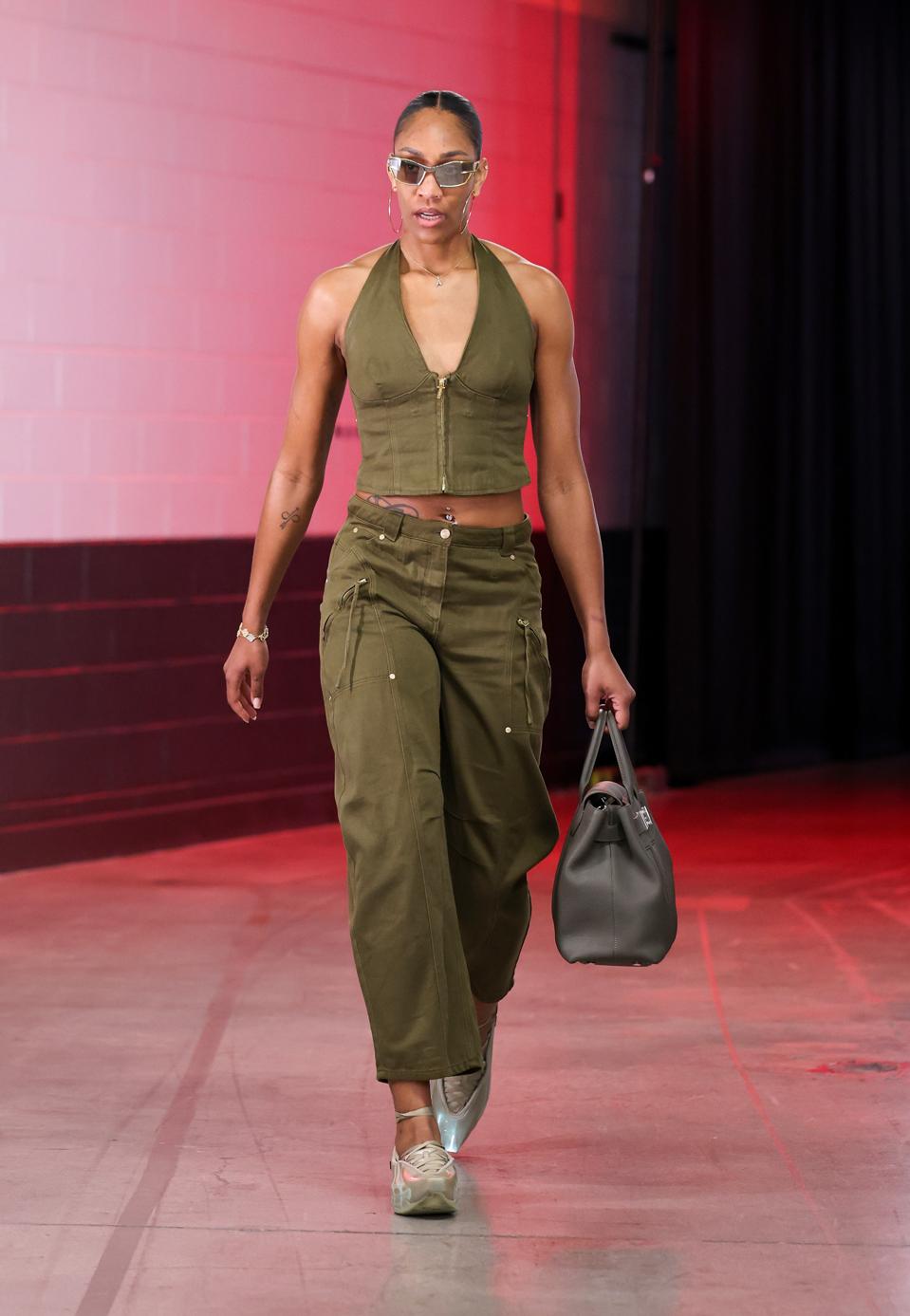
POLICY WIRE — LAS VEGAS, NEVADA — It used to be simple: athletes trained, played, and maybe endorsed a shoe. Now? They’re brand architects, social media moguls, and — dare I say it — unofficial policy influencers, all rolled into one stylish package. We’re not talking about shoe deals or Gatorade sips anymore. This is about the meticulously curated runway that’s the modern sports arena entrance, particularly within the surging ecosystem of the WNBA.
For decades, professional sports offered glimpses into players’ lives primarily through their on-court heroics. The narrative was dictated by stats — and wins. But in 2026, as the New York Liberty once again clinched the Commissioner’s Cup, a more nuanced contest was playing out away from the hardwood. The stakes weren’t just for a hefty $500,000 prize pool, but for something less tangible yet perhaps more enduring: cultural capital. The league’s annual mid-season tournament, traditionally a proving ground for athletic supremacy, has morphed into an unexpected theater for high-stakes sartorial battles.
Because, for many fans, especially the millions now tuning in globally, the ‘tunnel fit’ has become as anticipated as the jump ball itself. It’s an entire ecosystem of personal branding, a savvy, modern expression of individuality in a collective sport. And let’s be honest, it’s also good business. Players, already performing under intense public scrutiny, have embraced this additional dimension, transforming pre-game arrivals into extensions of their public persona. The performative athlete is, after all, a microcosm of our hyper-visible age.
“We’ve seen incredible growth in viewership and engagement, and a lot of that comes down to fans connecting with our players on a personal level,” WNBA Commissioner Cathy Engelbert observed recently in a league call. “Their style, their stories—it all contributes to a league that’s more than just basketball; it’s a movement.” Engelbert isn’t just touting the product; she’s acknowledging a deliberate, strategic embrace of individuality as a cornerstone of the WNBA’s burgeoning economic power.
Las Vegas Aces star A’ja Wilson, often lauded for her off-court style, understands the gravity of the gaze. “It’s not just about what you wear, it’s about what you’re saying without saying a word,” Wilson reportedly told a reporter during a Commissioner’s Cup media session. “This is our platform—every part of it. When I step into that arena, even before the game starts, I’m representing myself, my team, and women everywhere.” It’s a calculated decision, one that speaks volumes about player agency and brand awareness.
The league, always acutely aware of its position as a cultural vanguard, hasn’t shied away from this fusion of sport and spectacle. Why would it? Last season, the WNBA saw a 36% increase in viewership across its broadcast partners, according to ESPN. Those aren’t just sports fans; they’re fashion enthusiasts, cultural commentators, and — critically — potential consumers, drawn by the magnetism of figures like Wilson. And because this isn’t just about American sports, its influence stretches farther than many realize.
The global reach of these carefully crafted images is a subtle but potent force. In bustling markets from Karachi to Jakarta, where fashion—modest or otherwise—holds significant cultural currency, these athletic figures offer alternative narratives. They present strong, successful women who define their own public image, providing a potent counter-narrative to more traditional portrayals of female athleticism or public roles. It’s a kind of soft power, influencing consumer trends and societal perceptions through style, making its way through the intricate webs of digital culture, inspiring young people far from Vegas.
What This Means
This isn’t merely about athletes showing up well-dressed; it’s a profound shift in the economics and geopolitics of modern sports. The WNBA, perhaps more keenly than older, more entrenched leagues, has grasped the synergistic power of athletic prowess and personal branding. By empowering players to curate their off-court identities so explicitly, it transforms them into invaluable marketing assets. They’re not just athletes; they’re influencers, expanding the league’s footprint beyond conventional sports demographics into the broader spheres of fashion, entertainment, and social commentary. This savvy play in personal branding means more eyes, more endorsements, and ultimately, a more robust financial future for the league itself. It also subtly positions American cultural exports – strong, expressive female role models – into global markets, bypassing traditional political channels and reaching younger generations through the universally understood language of style and success. It’s a low-key, high-impact cultural exchange, packaged in haute couture — and a killer crossover dribble.