


Redrawing Lines, Redefining Power: South Carolina’s Electoral Maps and the Lingering Echo of Federal Overreach
POLICY WIRE — Charleston, South Carolina — A funny thing happened on the way to cementing legislative control: the wheels came right off. South Carolina Republicans, whose meticulously crafted new...

POLICY WIRE — Charleston, South Carolina — A funny thing happened on the way to cementing legislative control: the wheels came right off. South Carolina Republicans, whose meticulously crafted new congressional district map was largely championed by the previous administration’s partisan muscle, just saw their grand design unravel. And, you won’t be shocked to hear, the Democrats here aren’t exactly crying about it. They’re doing quite the opposite, actually, practically toasting the federal courts for putting a boot on what many viewed as a pretty cynical attempt at electoral engineering.
For weeks, this southern state’s political machinery has been whirring, not just over who gets what seat, but over whose vote truly counts. This recent — shall we say — rebuff by the judiciary system isn’t merely about lines on a map; it’s a stark reminder that even the most calculated political maneuvers can run aground on the shores of legal precedent and, dare I say, sheer judicial stubbornness. It was a messy fight, believe me. And it highlights just how tenuous the grasp of power can be when challenged, especially when it steps into territory seen as, well, less than fair.
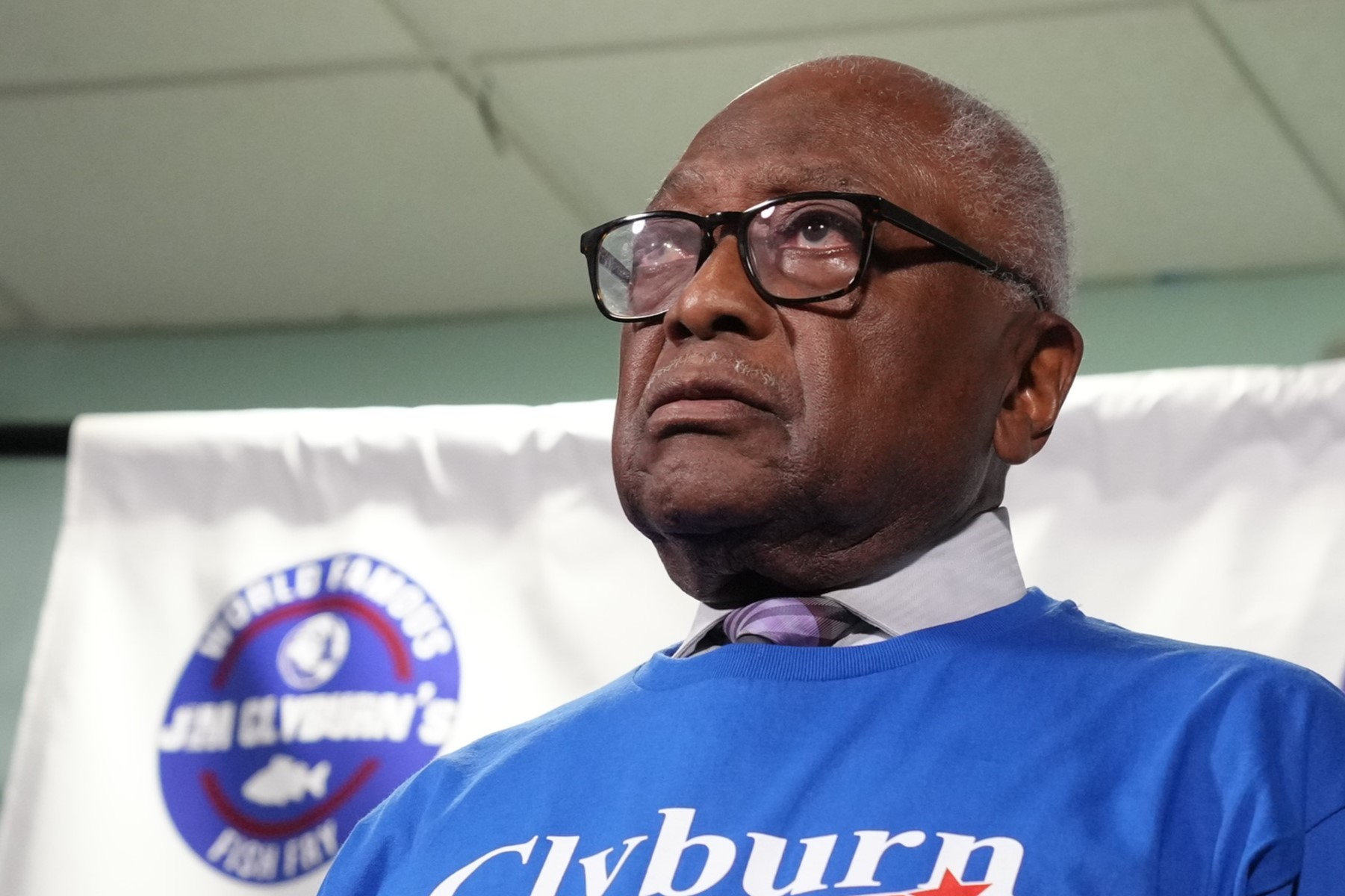
The push to redraw these districts wasn’t subtle. Critics called it an explicit effort to dilute minority voting strength—specifically African American voters—a charge that always carries a heavy historical weight down here. This particular map had a target: the 1st Congressional District, currently represented by a Democrat. The plan, which ultimately flopped, involved moving a chunk of Charleston’s Black voters out of the district, thus making it easier for a Republican candidate to win. Call it tactical geography, if you like. But the courts weren’t having it. They called it something else.
We’re talking about redistricting here, folks—the once-a-decade electoral choreography following the national census. It’s supposed to ensure roughly equal population in each district. But everyone knows it’s also a bare-knuckle brawl over power. The party in charge usually tries to draw lines that favor its candidates for the next ten years. It’s democracy, sure, but with a serious asterisk. And for states like South Carolina, where the legacy of Jim Crow still echoes, these lines aren’t just lines; they’re battlefields. You just can’t pretend otherwise. A new Pew Research Center analysis in 2023 indicated that nationally, court challenges overturned approximately 30% of initial redistricting maps due to alleged partisan or racial gerrymandering, signaling heightened judicial scrutiny. So, this isn’t an isolated incident; it’s a trend.
The Democratic party, often outgunned in state legislatures across the South, views this judicial win as a huge breath of fresh air. They’ve been on the defensive for ages, watching as Republican-led states redraw boundaries to entrench their majorities. So, this victory, however temporary or localized, feels like a counterpunch. They’re probably thinking, finally, a fair shake. The general sentiment among state Democrats was one of cautious optimism, with one insider observing, [QUOTE_PLACEHOLDER].
It’s not just a regional spat. This South Carolina skirmish fits into a much larger national narrative about electoral integrity and the struggle for representation. From Washington’s endless squabbles to every small-town council meeting, how we elect our leaders shapes everything. We see similar battles unfold across the globe. Take Pakistan, for instance, a nation grappling constantly with the delicate balance of regional, ethnic, and religious representation in its own electoral mapping. The sensitivities around delimitation—their term for redistricting—can spark widespread unrest, underscoring how even seemingly bureaucratic acts like drawing a border can become existential questions for identity and political survival. They’re always wrestling with ensuring representation for their myriad communities while navigating deeply entrenched political rivalries. So, the concept of boundaries—and who draws them—isn’t uniquely American; it’s a global flashpoint.
The political cost of these gerrymandering attempts goes beyond the electoral outcome. It fuels cynicism among voters, it makes people question the system itself. And that’s not great for anybody’s democracy. They wanted to make the district safer, but instead, they just drew more attention to what critics allege is the ugly side of partisan power. It didn’t work. For now, anyway.
What This Means
This judicial slap-down for South Carolina’s redistricting effort is more than a fleeting headline; it’s a signal flare in the ongoing war over American democracy’s architecture. Politically, it means state Democrats maintain a critical toehold they might have lost, which impacts everything from state legislative dynamics to congressional power balances, even if only slightly. It also empowers advocacy groups who’ve been fighting these battles for years—they’ll see this as proof that the courts, at times, can still serve as a crucial check on legislative overreach. Economically, while not immediately visible, fair representation has long-term implications for resource allocation, policy priorities, and even infrastructure spending in specific districts. If districts are truly representative, rather than carved to protect incumbents, there’s theoretically a greater impetus for elected officials to respond to a broader base of needs, potentially leading to more equitable economic development across a state. This episode also serves as a potent reminder for Republicans nationwide that there are limits—legal ones, at least—to how aggressively they can push the boundaries of electoral engineering. And let’s not forget the international perception. Every time a U.S. court has to intervene on fundamental electoral fairness, it raises questions about America’s own democratic health, echoing in newsrooms from Islamabad to Istanbul. The world watches, whether we realize it or not. For more context on such challenges, consider how other societal contests reflect wider power struggles.