


Voodoo & Victories: Argentina’s World Cup Mania Takes a Spiky Turn
POLICY WIRE — Buenos Aires, Argentina — Forget meticulously choreographed fan zones or anodyne official merchandise. In the fevered crucible of World Cup anticipation, where national identity and...

POLICY WIRE — Buenos Aires, Argentina — Forget meticulously choreographed fan zones or anodyne official merchandise. In the fevered crucible of World Cup anticipation, where national identity and football fuse into a potent, sometimes unhinged, brew, Argentinians were served a different kind of matchday special. Just weeks before their eventual showdown with France in the final, a local eatery in Buenos Aires wasn’t just offering a ‘Picada de Milanga’—a glorious platter of finger foods. No, this establishment was bundling it with pint-sized voodoo dolls, eerily clad in the blue kit of their anticipated French opponents. It wasn’t merely a menu item; it was a ritual, a plea to the sporting deities, a darkly humorous — or perhaps just dark — act of culinary hex.
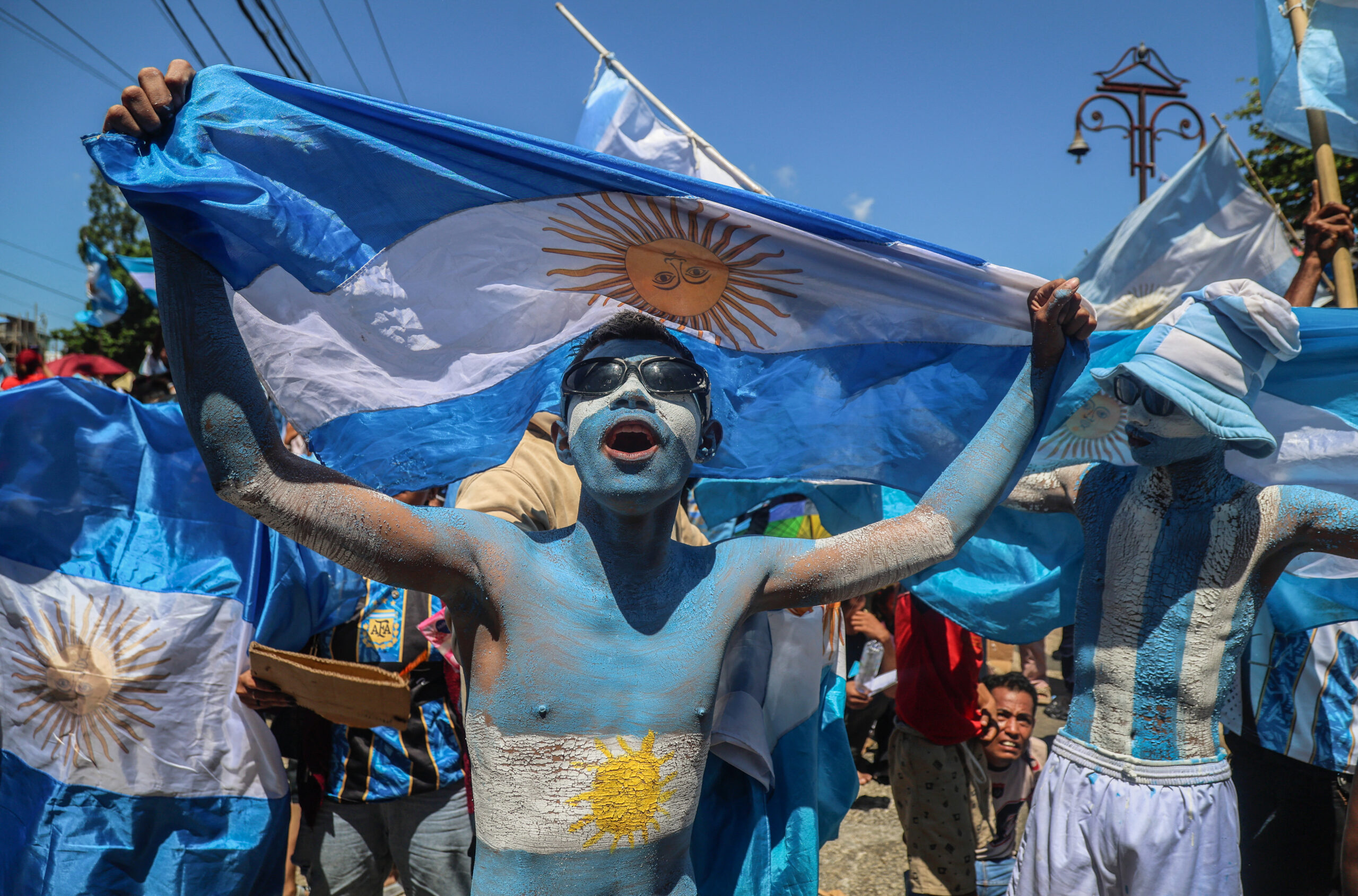
The original article, for what it’s worth, described this peculiar offering as akin to a ‘Happy Meal toy’. But it isn’t. Not really. Happy Meal toys are usually smiling, aspirational figures. These little effigies, reportedly, carried a rather different, more menacing vibe—a testament to a nation’s collective psyche teetering precariously between hope and superstition. Because in Argentina, football isn’t just a sport; it’s a religion, an economic indicator, a social safety valve, and sometimes, a full-blown psychological warfare exercise against perceived enemies, however symbolic.
But where does fierce national pride cross into something more unsettling? “Look, it’s theater. It’s playful aggression, nothing more,” claimed Eduardo Gomez, Argentina’s Cultural Secretary, when pressed on the voodoo doll phenomenon. “Our passion, it’s unlike anywhere else, isn’t it? We express our hopes, our anxieties, our very soul through our football. These little dolls, they’re just an exaggerated wink at the world. You wouldn’t find anyone here truly wishing harm—only for a French stumble, a momentary lapse, you understand?” It’s a sentiment many fans echoed, though often with a glint in their eye that suggested a deeper, more primal desire for a win by any means necessary. But how far is too far, culturally speaking?
France, of course, maintained a stately distance from the absurdity. A spokesperson for the French Foreign Ministry, Agnès Callamard, speaking on the eve of the final, offered a more diplomatic, though pointed, observation. “We focus on the beautiful game itself, on the exceptional skill — and sportsmanship our athletes bring to the field. Any other expressions, however spirited or… unconventional, frankly, are not our concern. We believe in fair play, on — and off the pitch.” You could almost hear the Gallic shrug through the official statement. They’d faced a good few psychological jabs before—this wasn’t new. And you don’t really expect an official retort to a Happy Meal hex, do you?
This episode, bizarre as it appears on the surface, isn’t an isolated anomaly. It speaks to the hyper-commercialization of national sentiment, a global phenomenon where anything can be branded and sold if it taps into that raw, patriotic nerve. FIFA’s World Cup itself generated a staggering record revenue of $7.5 billion in 2022, illustrating the sheer economic force that underpins such spectacles. So, if a restaurant can move more ‘Picadas’ by tossing in a rival team’s effigy, well, that’s just good business, isn’t it?
In many parts of the world, particularly across South Asia and the Muslim world, superstitions or symbolic gestures in sports are hardly alien. But they often manifest in more personal, subdued forms—prayers, charms, specific rituals observed privately. The public, mass-produced commodification of what could be seen as a malevolent symbol—even if playful—stands out. Imagine a similar scenario in, say, Pakistan, ahead of an India vs. Pakistan cricket match. The intensity, the nationalistic fervor, it’s absolutely there, perhaps even more pronounced. But while fierce chants and celebratory effigy burnings of rival captains aren’t unheard of, a restaurant actively selling ‘curse dolls’ with biryani? That would likely generate a different sort of public discourse, a sharper critique about ethical boundaries and the public display of, shall we say, aggressive spirituality.
What This Means
This incident isn’t just a quaint footnote in World Cup lore; it’s a telling glimpse into the potent, often irrational, forces at play when global sports intertwine with national identity, particularly in developing nations struggling with economic precarity. Argentina, despite its rich cultural heritage, often faces its own financial tightropes, making football an almost sacred escape, a collective balm. When economic stability feels like a distant dream, victories on the pitch become disproportionately meaningful. They offer a rare, unified moment of pride, a brief reprieve from everyday anxieties. But, this psychological burden on sport can push national expressions—even in their most commercial forms—into territories that might surprise or even alarm outsiders.
the ready acceptance, even celebration, of such a controversial marketing tactic by a segment of the public indicates a cultural normalization of ‘dark humor’ that blurs the lines of ethical sportsmanship. It’s not just about one restaurant; it’s about what sells, what resonates, what captures the public imagination enough to warrant coverage from wire services like ours. This sort of cultural output becomes a minor diplomatic blip, an instance where a nation’s domestic fervor spills into international perception. And in an increasingly interconnected world, where every quirky local story can go global in an instant, these small acts take on larger meanings, reflecting not just a quirky sense of humor, but perhaps a deeper, more profound—and desperate—yearning for glory, by any means necessary, real or imagined.