


Napoli’s Frayed Fortunes: Old Faces Return, New Talents Secured, But The Fiscal Tightrope Looms Large
POLICY WIRE — Naples, Italy — The opulent Teatro San Carlo, usually reserved for operatic masterpieces, will host a decidedly more gritty performance tomorrow: the official unveiling of Massimiliano...

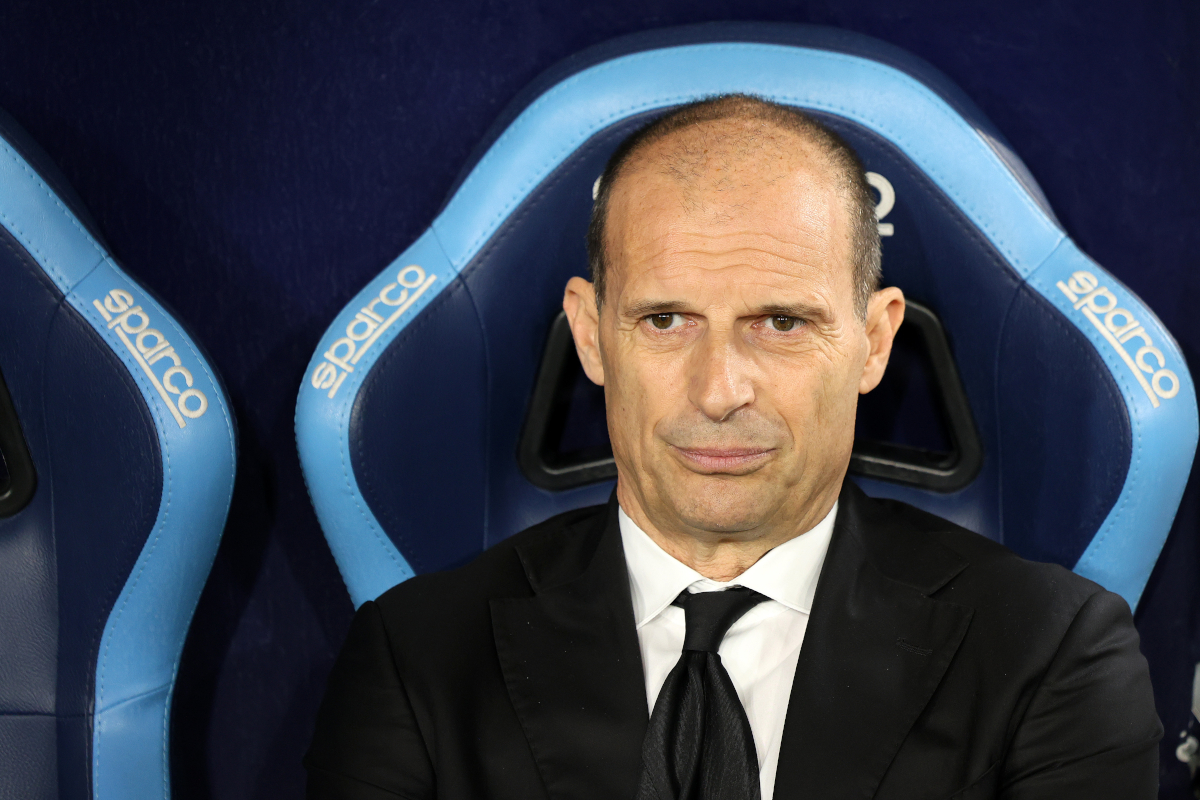
POLICY WIRE — Naples, Italy — The opulent Teatro San Carlo, usually reserved for operatic masterpieces, will host a decidedly more gritty performance tomorrow: the official unveiling of Massimiliano Allegri as Napoli’s new head coach. Yet, for all the fanfare accompanying a seasoned tactician’s arrival, the true drama unfolding in Naples isn’t about glittering trophies, not yet. It’s a stark, financial reality playing out quietly in the background—a narrative familiar to much of European football’s old guard, and one that resonates deeply in global economic policy discussions.
Allegri’s return to Serie A management—after a rather unceremonious departure from Milan—marks a familiar pattern of top clubs recycling elite coaching talent. But his handshake with Napoli chairman Aurelio De Laurentiis isn’t just about tactical prowess; it’s about navigating an economically straitjacketed club. The Partenopei, you see, are stuck in a tricky spot, forced to offload players before they can dream of splashing cash. It’s an inconvenient truth that casts a long shadow over their pre-season, even as rivals seem to be buying players left and right. De Laurentiis, never one to mince words, had already telegraphed this strategy. He doesn’t want to get caught overspending.
“We aren’t a plaything for petrodollars,” De Laurentiis was quoted telling local press just weeks ago, reiterating his club’s financial philosophy. “We build for the long haul, even if it means some tough decisions now. Vergara is the future; that’s where you put your money.” That very investment materialized today. Young Antonio Vergara, a 23-year-old attacking midfielder and product of Napoli’s youth system, inked a fresh deal extending to June 2031, complete with an improved salary. His contract wasn’t just a simple extension; it’s a gamble, a recognition of an unforeseen talent thrust into the spotlight by sheer circumstance.
Vergara, to be fair, had nearly packed his bags last season, a loan move seemingly inevitable. But then came the injury bug, decimating Napoli’s attacking options — and effectively chaining him to the first team. He didn’t just fill a void; he shined, often spectacularly. It’s these kinds of raw, unexpected success stories that clubs, especially those navigating fiscal constraints, latch onto. He’s become a precious commodity.
Massimiliano Allegri himself seemed pragmatic about the inherent challenges. “I’ve faced tough situations before. Naples understands passion, and we’ll need every ounce of it—not just on the pitch, but in the boardroom,” he apparently conveyed to close confidantes before his public debut. And he’s right. The pressure here is unique, intense. The city demands not just success, but spectacle. Can he deliver with an apparently limited transfer kitty?
The Italian financial newspaper Il Sole 24 Ore reported last year that Serie A clubs collectively amassed over €750 million in losses during the 2022-23 season, excluding capital gains from player sales. That’s a staggering figure, one that perfectly encapsulates the tightrope walking Napoli and many of its peers are performing. This isn’t just Italian club woes; it’s symptomatic of a broader shift. Because while the glitz and glamour of Europe’s top leagues still command vast global audiences—with fervent fanbases stretching from Buenos Aires to Lahore, where millions stay up late to catch these matches, fueling advertising revenues that keep these giants afloat—the ground beneath their feet is shifting. The Saudi Pro League, for instance, has demonstrated a willingness to pay sums that even historic European clubs struggle to match, redefining player valuations.
What This Means
Allegri’s appointment, coupled with Vergara’s extended stay, paints a complex picture for Napoli and the broader Serie A landscape. Politically, De Laurentiis’s approach is a tight balancing act. He’s bringing in a high-profile manager to placate a demanding fanbase and signal ambition, but simultaneously tying down a youth prospect as a more economically sound investment. This isn’t just about squad building; it’s about projecting fiscal responsibility while chasing results—a perennial dilemma for clubs in financially volatile leagues.
Economically, Vergara’s contract is more than a sporting achievement; it’s a strategic asset. By securing a promising young player on a long-term, inflation-adjusted deal, Napoli not only ensures stability on the field but also shores up potential future revenue through player sales, should the right offer come along. It’s an explicit acknowledgment that a club’s ‘player pipeline’ is now as much about balance sheets as it’s about goal tallies. But for Allegri, the challenge is clear: squeeze every drop of performance from a squad that won’t see radical changes, nurturing young talents like Vergara into reliable starters. Failure isn’t just about league position; it’s about compounding financial pressures in a world where sporting glory and financial solvency are increasingly inseparable.