

Virginia’s Green Signal: A Long Road to Legal Cannabis Sales in 2027
POLICY WIRE — Richmond, Virginia — Even in a nation supposedly hurtling toward progressive cannabis reform, the machinery of state legislation grinds at a pace often glacial, occasionally baffling....

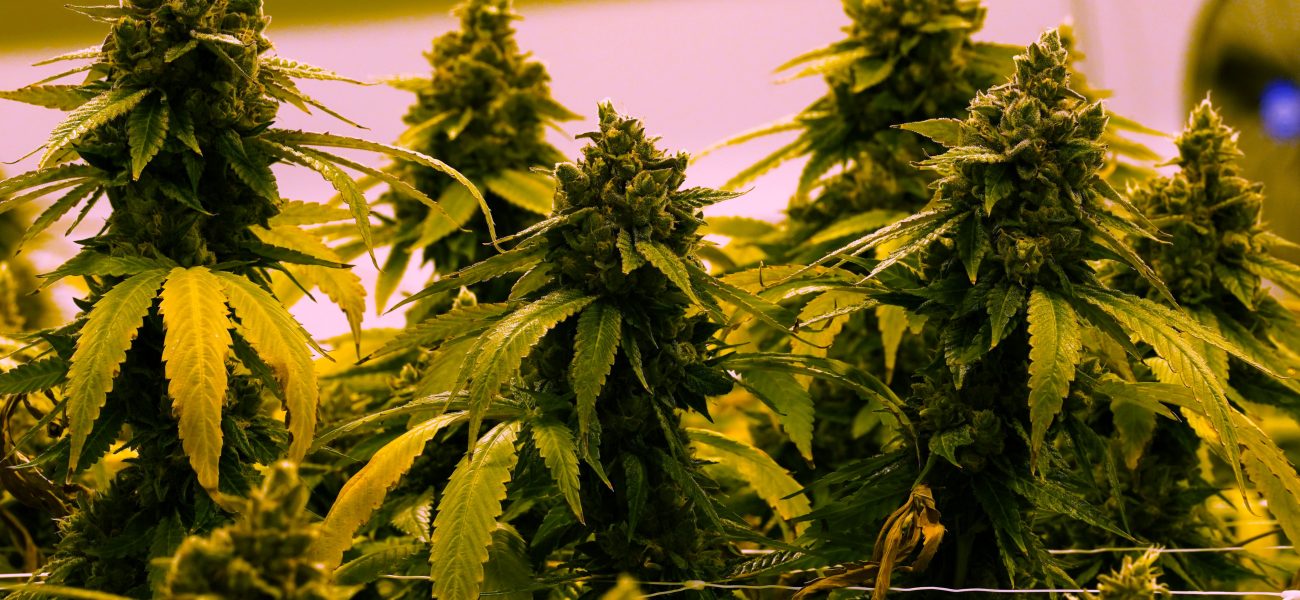
POLICY WIRE — Richmond, Virginia — Even in a nation supposedly hurtling toward progressive cannabis reform, the machinery of state legislation grinds at a pace often glacial, occasionally baffling. Case in point: Virginia, a commonwealth steeped in history, will finally usher in the era of recreational marijuana sales—but not before 2027. It’s a delay that prompts a head-tilt, a contemplation of legislative priorities, and the sheer audacity of deferring what many other states have already embraced, and taxed, for years. Three more years, folks. Plenty of time to get your affairs in order.
It isn’t exactly groundbreaking news that states are charting their own course on cannabis. It’s an American tradition, isn’t it? This patchwork of laws, however, gets especially tangled when federal prohibitions still cast a long, unblinking shadow. Virginia’s decision, specifically that date, suggests a profound tension between popular sentiment and political caution. What, one wonders, are they waiting for? [QUOTE_PLACEHOLDER]
The Old Dominion State already permits adult possession and home cultivation—a classic legislative half-measure if there ever was one. You can grow it; you can carry it; you just can’t legally buy it from a licensed purveyor until a full presidential term has likely passed. And yet, the revenue possibilities from a regulated market are considerable. The Congressional Research Service noted that by 2022, state-level recreational cannabis taxes generated over $13 billion nationally. Virginia, by deferring, isn’t just delaying consumer access; it’s leaving a substantial chunk of change on the table. You’d think the bean counters in Richmond would be a bit more eager, wouldn’t you?
This extended timeline does, however, provide a fascinating lens through which to view evolving global drug policies. While American states navigate their peculiar federal/state tango, nations with significantly stricter regulations watch intently. Consider Pakistan, for instance, a nation grappling with its own complex relationship to illicit narcotics, compounded by its geopolitical positioning. While hashish has historical and cultural roots in parts of South Asia, the notion of a state-sanctioned, highly regulated recreational cannabis industry—complete with branding and storefronts—remains a distant, almost alien, concept in many Muslim-majority countries. The mere concept of Virginia leisurely planning for legal cannabis sales in three years highlights a deep cultural chasm that’s only getting wider. It’s a luxury of the Western world, this slow march towards normalization.
Some argue that the delay in Virginia is about getting it right, about putting in place robust regulatory frameworks for product safety, consumer protection, and—of course—equity in licensing. And that’s a commendable goal, don’t misunderstand. But one can’t help but notice the foot-dragging feels a bit less like meticulous planning and a lot more like a tacit concession to the federal impasse, a strategic play to see if Washington finally gets its act together. They’re punting, basically.
Because let’s face it, no state truly wants to be a federal test case, navigating the fine print of Attorney General directives while trying to operate a legitimate, multi-billion-dollar industry. This slow-walk ensures Virginia avoids the earliest bumps and bruises of legalization, allowing other pioneering states to refine their models. But it also postpones significant economic uplift, particularly for communities historically disproportionately affected by drug convictions—folks who were promised a shot at participation. And that’s a promise delayed, possibly denied, depending on the long view.
For now, Virginians looking to buy will have to continue relying on less-than-official channels or exercise their green thumbs. It’s an odd position for a state to be in, isn’t it? To declare something legal, but inaccessible through legitimate means for years on end. One could say it’s keeping the black market in business just a little while longer. It’s a choice, certainly.
What This Means
Virginia’s protracted journey toward retail cannabis sales speaks volumes about the enduring national tension surrounding marijuana policy. Economically, delaying retail sales until 2027 represents a significant foregone revenue opportunity. With many states already collecting millions, if not billions, in taxes from cannabis sales, Virginia is choosing caution over immediate economic infusion, possibly gambling on a future where federal legalization might simplify the regulatory landscape. This conservative fiscal approach may stabilize state budgets less immediately, impacting everything from education funding to infrastructure projects. The choice hints at deeper political motivations than mere logistical hurdles; it’s likely a pragmatic wait-and-see strategy regarding potential shifts in federal stance, particularly relevant in an election year with implications for a new administration’s drug policy.
Politically, the delay frustrates advocates for both immediate commercialization and social justice—communities of color, disproportionately impacted by past drug laws, often expect rapid access to new economic opportunities, which this delay stalls. It’s also a subtle jab at the concept of federalism; while states assert their rights, the ghost of federal prohibition continues to dictate the pace of economic development, even indirectly. This scenario illustrates that while cultural attitudes toward cannabis have shifted dramatically, legislative action remains slow, segmented, and often contradictory. The delay gives federal enforcement bodies more time to change their minds—or not—without Virginia having invested too heavily, or so the thinking goes. It’s an almost painfully cautious gamble.