


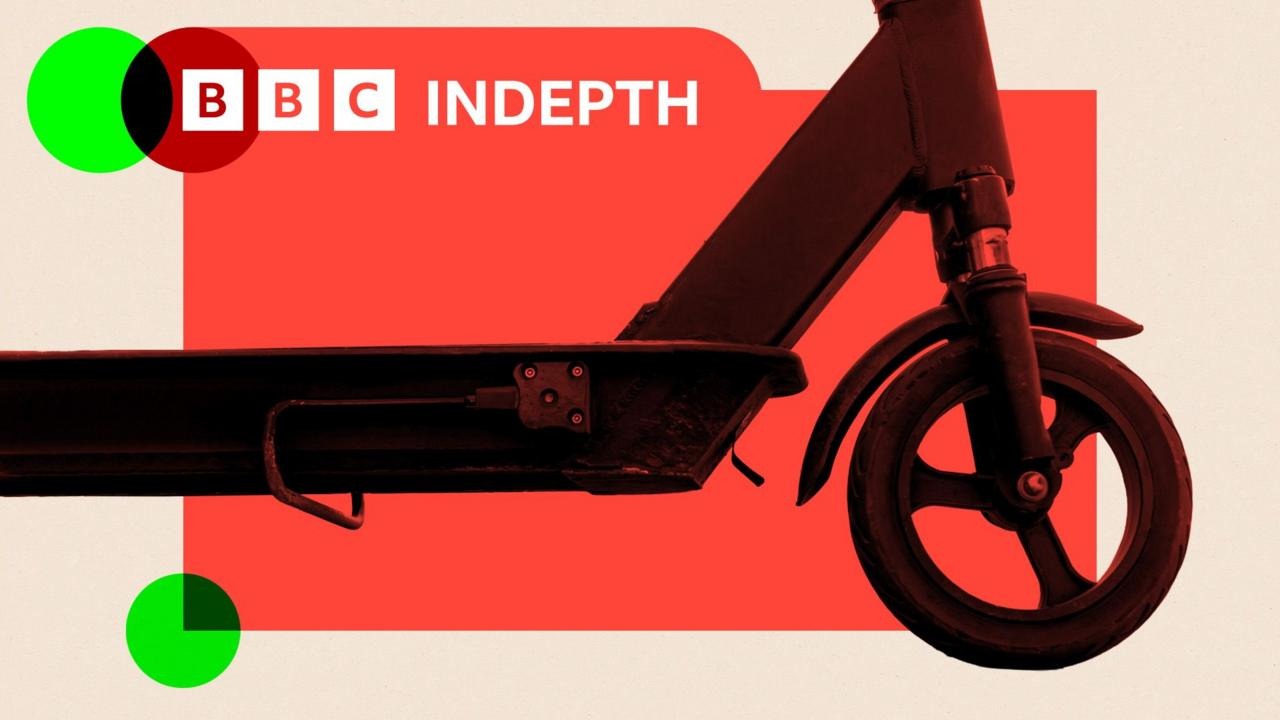
UK Government’s Prolonged Inaction on E-Scooter Regulation: Consequences and Delays
POLICY WIRE — London, UK — The United Kingdom is experiencing significant delays in regulating e-scooters, raising concerns over safety and legal ambiguities. The prolonged inaction by the government...

POLICY WIRE — London, UK — The United Kingdom is experiencing significant delays in regulating e-scooters, raising concerns over safety and legal ambiguities. The prolonged inaction by the government has left users in a precarious situation, with no clear guidelines or legal framework governing their use.
E-scooters, which have gained popularity as a convenient mode of urban transportation, are currently operating in a regulatory grey area. Trials have been conducted in various cities, but a nationwide policy remains elusive. The Department for Transport (DfT) has acknowledged the need for regulation but has yet to implement concrete measures.
“The government is committed to exploring the potential of e-scooters while ensuring safety and compliance with existing laws,” a DfT spokesperson said. “We are carefully considering the feedback from trials and will announce our decisions in due course.”
The delay in regulation has several consequences. Firstly, it creates a safety risk for users and pedestrians. Without standardized rules, e-scooter riders may not adhere to traffic laws, leading to accidents. Secondly, it generates legal uncertainties, as riders may face penalties for using e-scooters outside designated trial zones.
Campaigners and safety advocates have called for urgent action. “The lack of regulation is putting people at risk,” said Rachel Aldred, a transport studies professor at the University of Westminster. “We need clear guidelines to ensure the safe integration of e-scooters into our transport system.”
The e-scooter industry has also expressed frustration. Companies providing rental services are operating under temporary licenses, which do not offer long-term stability. “We need a definitive regulatory framework to invest and grow sustainably,” said James Brown, CEO of a major e-scooter rental company.
As the UK grapples with these issues, other countries have moved forward with comprehensive e-scooter regulations. France, Germany, and the Netherlands have established clear rules, including speed limits, designated riding areas, and licensing requirements.
In the absence of national regulation, local authorities in the UK are taking matters into their own hands. Some cities have introduced their own guidelines, but this creates a patchwork of rules that confuse users.
The UK government’s hesitance can be attributed to several factors, including concerns over safety, infrastructure, and the integration of e-scooters into existing transport networks. Additionally, the rapid evolution of micro-mobility technology poses challenges for regulators.
As the debate continues, the need for a cohesive and timely regulatory approach becomes increasingly apparent. The government must balance innovation with safety to harness the benefits of e-scooters while mitigating risks.
Reporting by Policy-Wire (PW)