
US and China Agree to AI Safety Channel and Continued Trade Talks Following Washington Summit
US and China establish an AI safety channel and advance trade and military talks following a high-stakes Washington summit between Trump and Xi.

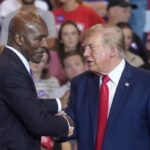
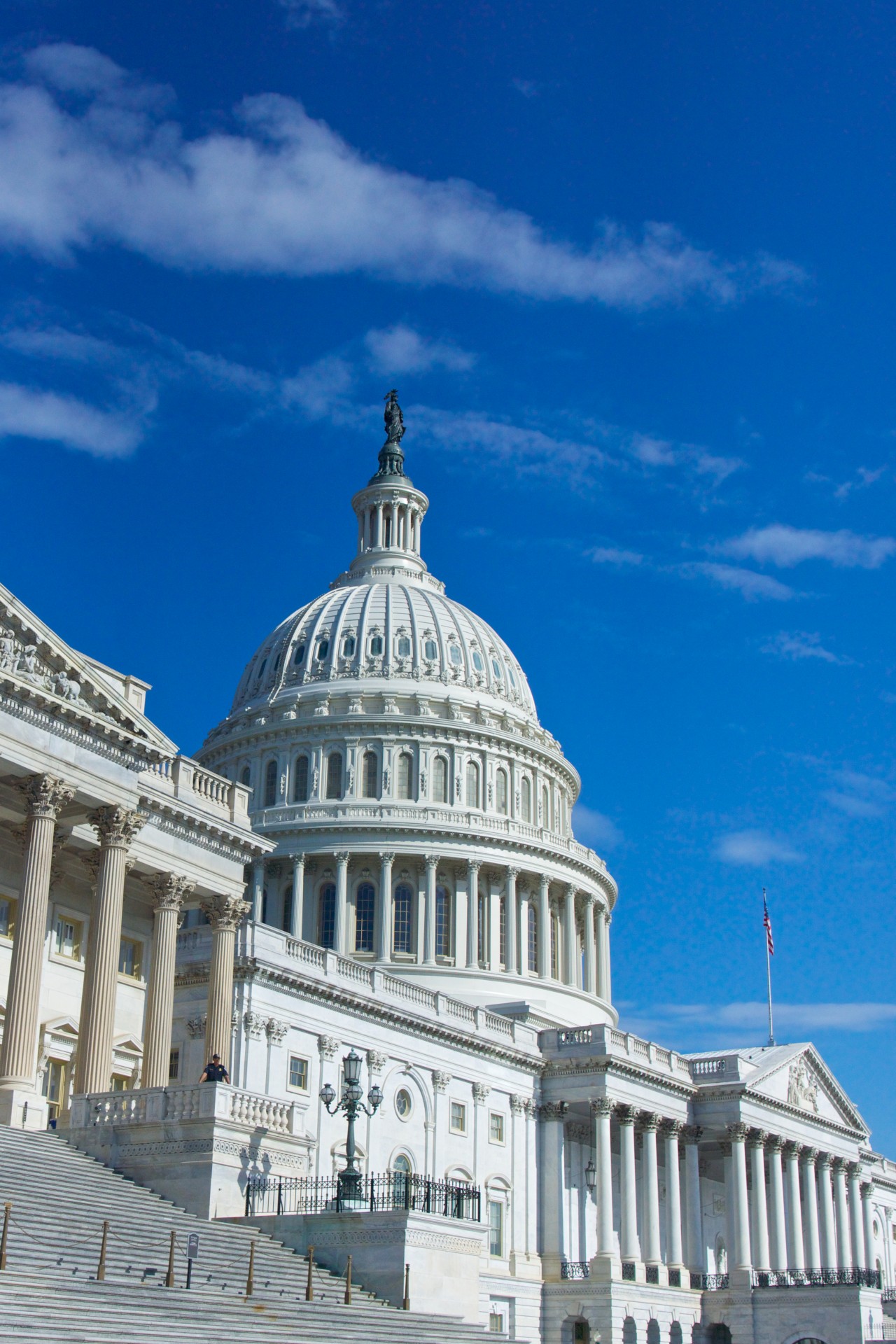
POLICY WIRE — Washington, United States — The United States and China have reached an agreement to establish a dedicated communication channel for managing artificial intelligence-related incidents and to accelerate military crisis communications following a three-day summit between President Donald Trump and President Xi Jinping.
Both governments confirmed Saturday that bilateral cooperation will also continue through a newly operational Board of Trade targeted at specific economic issues. While the high-level meeting produced no grand diplomatic breakthroughs, policy experts noted that establishing functional working groups provides vital institutional stability to help prevent future geopolitical disputes from spiraling out of control.
Following the conclusion of the talks, President Xi returned to Beijing on Saturday, as reported by the state-run Xinhua News Agency. The diplomatic visit featured notably warm interactions from President Trump, arriving just a year after an intensified trade dispute between the two superpowers triggered widespread global economic repercussions.
According to China’s Foreign Ministry, both nations committed to signing a memorandum of understanding aimed at strengthening military crisis prevention and communications. Additionally, the two governments will implement a specialized framework to address artificial intelligence risks and benefits, with a focused AI dialogue scheduled for November.
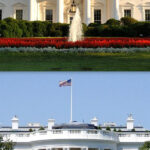
President Trump emphasized that Washington will maintain its technological momentum and will not slow down its domestic artificial intelligence programs. Speaking to reporters outside the White House, Trump asserted that the United States currently leads China by a margin of one to two years and has no intention of narrowing that gap through open technological integration.
On the economic front, Beijing and Washington agreed to advance efforts to reduce reciprocal tariffs on approximately $30 billion worth of goods, largely focusing on non-sensitive items such as agricultural products and holiday decorations. The leaders also agreed to extend their ongoing trade truce by two months, while White House statements confirmed that China has pledged to purchase at least 10 million metric tons of American coal across 2027 and 2028.
Discussions also addressed American concerns regarding rare earths supply chains, with both administrations aiming to restore export shipments to normal levels. China previously instituted strict export controls on rare minerals in response to prior U.S. tariffs, which restricted material flows to Western markets.
Looking ahead, both delegations plan to reconvene at the upcoming Asia-Pacific Economic Cooperation summit in Shenzhen, China, in November, followed by another meeting at the G20 gathering hosted at the Trump National Doral Miami golf club in Florida. Officials from both sides also aligned on regional security matters, maintaining that Iran must honor its commitments to refrain from developing nuclear weapons and that international waterways should remain free of tolls.
Reporting by Policy-Wire (PW)