


Urban E-Bike Crackdown: A Policy Failure Exposed
E-bike clampdowns aren't solving urban gridlock. Learn how outdated city planning and reactive policies are failing commuters and delivery drivers.

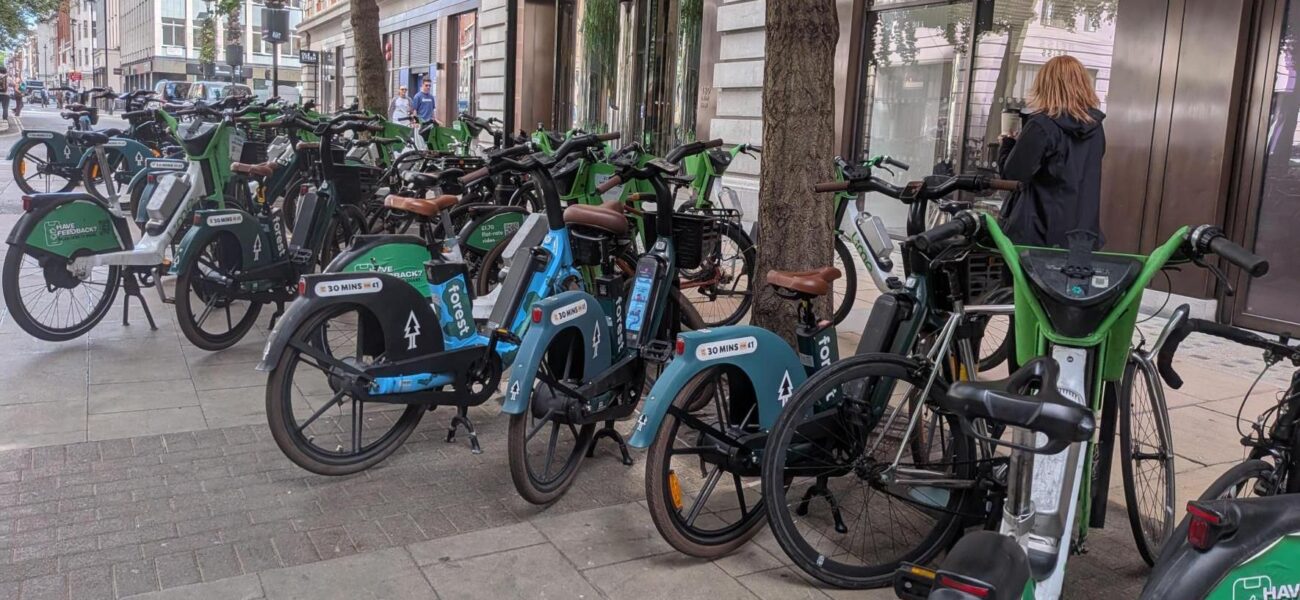
POLICY WIRE — New Haven, CT — Nobody planned for this, really. Not the folks in city hall who scratch their heads over zoning codes written in a different century, nor the entrepreneurs who flooded streets with nimble, battery-powered contraptions promising liberation from endless traffic. But here we’re: another local authority has finally snapped, taking a hard line against the motorized menace – the humble e-bike. A recent maneuver saw an unspecified council initiate a full-blown seizure operation, specifically targeting machines deemed [QUOTE_PLACEHOLDER].
It’s not just about an errant electric scooter left askew on a pavement. No, this escalating skirmish between personal mobility devices and public order tells a story, a grinding, bureaucratic one that’s got less to do with safety and more to do with control. They’re trying to shove a round peg into a square hole. This isn’t some rogue mayor with a vendetta against sustainable transport, either. It’s a systemic issue, a collision course set by outdated urban infrastructure trying to grapple with 21st-century realities.
The problem isn’t the e-bike itself; it’s where they land. Or rather, where they don’t land, neatly, in a designated rack that probably doesn’t exist. Commuters, fed up with sardine-can public transport or the astronomical cost of parking, have embraced these things en masse. And who can blame them? But municipalities, bless their hearts, just haven’t caught up. You see the clutter everywhere—charging points needed, designated lanes absent, enforcement often haphazard until it becomes a crackdown.
And let’s be frank, the rules for these things? They’re often as clear as mud. One city says yes, another says no, a third suggests you try walking instead. This policy vacuum breeds exactly what you’d expect: chaos. It’s an economic lifeline for many, especially the delivery drivers zipping through choked streets, trying to make ends meet. To them, an e-bike isn’t a lifestyle choice; it’s the bare minimum for earning a wage. For city planners, however, they’re just another variable in an already unsolvable equation.
This isn’t an isolated incident, either. The clampdown represents a wider trend in many Western urban centers, where infrastructure planning has historically prioritized cars over, well, everything else. Now, confronted with a growing push for greener alternatives — and micro-mobility solutions, they’re simply flailing. According to a recent report by the Global Urban Mobility Index, cities worldwide saw a 27% increase in e-bike related pedestrian incidents last year. It’s a statistic that’s frequently waved like a warning flag, often obscuring the underlying cause: a woeful lack of appropriate, dedicated urban pathways and smart policy integration.
It’s a peculiar thing, seeing councils act like traffic wardens for futuristic gadgets. But consider cities like Karachi, Pakistan. They’ve faced exponentially more chaotic growth for decades. Here, two-wheelers — motorcycles, mopeds, and increasingly, e-bikes — are the circulatory system of a metropolis. Informal markets flourish, often filling voids where formal planning failed to reach. While Western cities fuss over pavement etiquette, Karachi grapples with managing millions of vehicles, often with minimal regulation, on infrastructure that’s bursting at the seams. It’s a different scale, sure, but the underlying tension between spontaneous urban activity and state control remains the same. You’d think there might be lessons to learn there, or at least some perspective.
📄 POLICY WIRE WHITEPAPER PUBLISHED: PAKISTAN'S NATIONAL SECURITY POLICY PRIORITIES
👉 READ BY CLICKING HEREBecause ultimately, these seizures? They aren’t solving anything. They’re a Band-Aid on a gushing wound of urban planning incompetence. We’re witnessing the political equivalent of blaming the messenger – or in this case, the delivery rider. A short-term reaction that does little to address the burgeoning demands for efficient, affordable, and accessible transport.
What This Means
This council’s strong-arm tactic against e-bikes, while ostensibly about safety and public order, reflects a deeper, more troubling systemic inertia. Economically, such actions are shortsighted. They disproportionately affect low-income earners reliant on these machines for work, and they stifle the very micro-mobility innovation many urban planners supposedly champion. It creates economic friction without solving the underlying problems of congestion or insufficient infrastructure. But it also highlights the disconnect between governmental pace — and technological adoption.
Politically, it’s a predictable maneuver: a council reacts to visible annoyance (clutter) rather than engaging in the harder, long-term work of urban reimagining. It’s easier to [QUOTE_PLACEHOLDER] than to allocate funds for bike lanes or implement nuanced regulatory frameworks. It sends a chilling message to innovators and small businesses that seek to leverage new technologies for urban efficiency. For nations like Pakistan, navigating similar but far more acute urban challenges, such bureaucratic fumbling in the West serves as a cautionary tale: reactive governance only entrenches existing problems. They’ve learned, often the hard way, that organic urban growth demands adaptable policy, not just punitive enforcement.
The policy implication? We aren’t building for the future, we’re simply penalizing symptoms of our current urban dysfunction. It’s another instance where outdated frameworks impede progress, much like global challenges often underscore the fragility of established treaties. Unless policymakers pivot to proactive, integrated urban planning that accounts for new transport modalities, these council clampdowns will become ever more common. And the streets? They’ll remain a battleground.