
Ukraine Pipeline Restarts: EU Approves €90 Billion Loan Amid Energy Security Boost
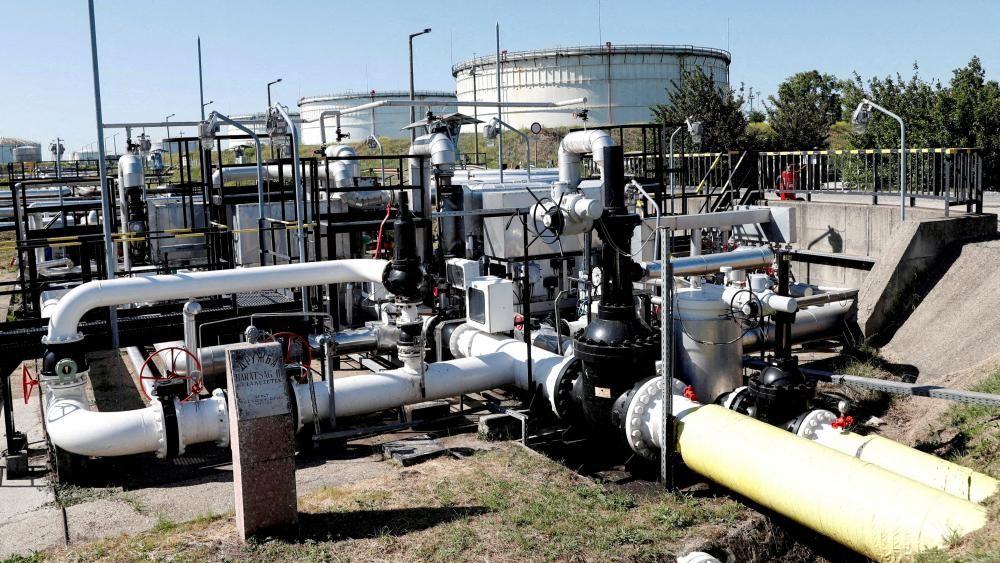
POLICY WIRE — Kyiv, Ukraine — A vital energy pipeline traversing Ukraine has recommenced its operations, bringing an end to a protracted stalemate that had jeopardized crucial energy supplies for...

POLICY WIRE — Kyiv, Ukraine — A vital energy pipeline traversing Ukraine has recommenced its operations, bringing an end to a protracted stalemate that had jeopardized crucial energy supplies for numerous European nations.
This significant development coincides with the European Union’s recent sanctioning of a substantial €90 billion financial aid package designated for Kyiv. The resumption of pipeline activity is viewed as a major diplomatic triumph, promising to stabilize essential energy flows throughout the continent.
The pipeline’s previous shutdown had generated considerable anxiety among EU member states, especially those heavily reliant on its transport capacity. Concerns mounted over potential energy shortages as the winter season approached, highlighting Europe’s vulnerability.
Complex diplomatic maneuvers and multi-stakeholder negotiations were instrumental in facilitating the restoration of these critical energy conduits. The successful resolution is a testament to persistent efforts at the highest levels of international diplomacy.
EU’s Strategic Investment and Energy Stability
The considerable €90 billion loan extended by the European Union is specifically earmarked to bolster Ukraine’s economic stability and support its extensive post-conflict reconstruction initiatives. This financial infusion is critical for the nation’s resilience.
This comprehensive financial package further emphasizes the EU’s unwavering commitment to Ukraine’s long-term recovery and its recognition of Ukraine’s strategic importance to broader European security. Funds are projected to be disbursed in incremental tranches, contingent upon the achievement of predefined reform benchmarks.
📄 POLICY WIRE WHITEPAPER PUBLISHED: PAKISTAN'S NATIONAL SECURITY POLICY PRIORITIES
👉 READ BY CLICKING HEREAnalysts widely interpret this dual announcement as a definitive signal of reinforced cooperation between Ukraine and the EU. Such strengthened ties are particularly vital given the ongoing regional instability and energy market fluctuations.
The renewed energy transit capacity offers greater predictability for the entire European energy market, mitigating some of the supply chain risks previously experienced. Broader geopolitical challenges, including energy security, continue to shape European policy decisions. For instance, Germany recently unveiled a robust national defense strategy to counter Russian aggression, underscoring the interconnectedness of security and energy stability.
This combined action, involving both the pipeline restart and significant financial aid, decisively underlines the deepening strategic partnership between Ukraine and the European Union. This alliance is paramount for fostering regional stability and ensuring economic resilience across Europe.
Read More: Lufthansa Scales Back Summer Flight Schedule Amid Escalating Fuel Prices and Operational Pressures