


Germany Unveils Robust National Defense Strategy to Counter Russian Aggression
POLICY WIRE — Berlin, Germany — Germany has formally adopted a comprehensive new national military strategy, marking a significant reorientation of its defense policy in response to the escalated...

POLICY WIRE — Berlin, Germany — Germany has formally adopted a comprehensive new national military strategy, marking a significant reorientation of its defense policy in response to the escalated geopolitical landscape and the perceived threat posed by Russia.
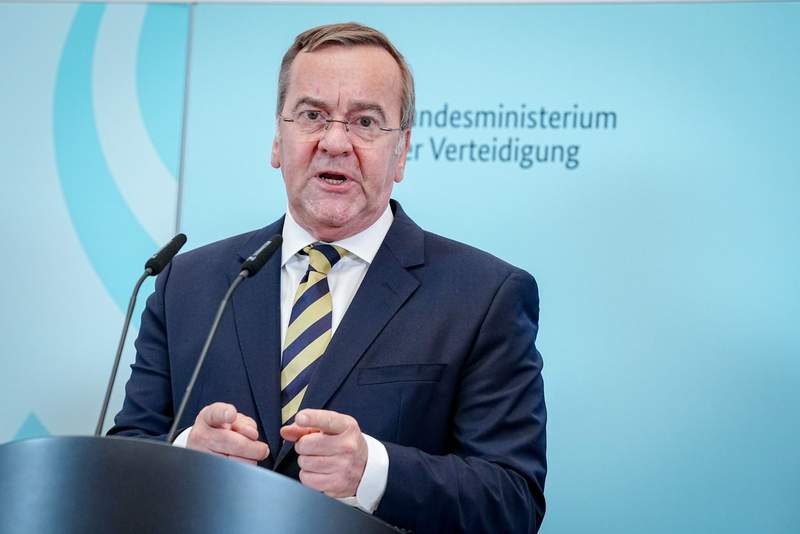
This landmark document, the first of its kind since 2011, outlines a vision for the Bundeswehr (German Armed Forces) to become “war-capable” – a term emphasized by Defense Minister Boris Pistorius. The strategy underscores a fundamental shift from international crisis management to focusing on collective defense within the NATO alliance and national security.
Germany’s Evolving Defense Posture
The revised strategy explicitly identifies Russia as the primary military challenge to European peace and security. It details an urgent need to enhance the readiness and operational capabilities of the German armed forces, ensuring they are prepared for a potential high-intensity conflict.
Key pillars of the new doctrine include significant increases in defense spending, modernization of equipment, and strengthening military personnel. The aim is to create a more agile and resilient military force capable of deterring aggression and defending national interests effectively.
This enhanced defense commitment comes at a time when Germany, like many European nations, navigates complex economic headwinds. Such investments are strategically vital despite potential domestic financial pressures.
Read More: German Corporate Insolvencies Threaten 200,000 Jobs Amid Economic Headwinds
Strengthening NATO and European Security
While prioritizing national defense, the strategy also reaffirms Germany’s unwavering commitment to its allies within NATO. It positions Germany as a central pillar of European security, emphasizing its responsibility to contribute substantially to the alliance’s collective defense framework.
The document highlights the importance of multinational cooperation and integrated defense planning with partners across the continent. This collaborative approach is seen as crucial for bolstering overall deterrence capabilities against external threats.
📄 POLICY WIRE WHITEPAPER PUBLISHED: PAKISTAN'S NATIONAL SECURITY POLICY PRIORITIES
👉 READ BY CLICKING HERENavigating Global Geopolitical Tensions
The reorientation of Germany’s defense strategy is not isolated, but rather part of a broader global recalibration of security priorities. Nations worldwide are adapting to increased volatility and complex geopolitical challenges extending beyond traditional military rivalries.
These challenges include maintaining stability in crucial economic regions and navigating intricate power dynamics that influence international relations and trade routes.
Read More: Xi Jinping Urges Saudi Crown Prince on Open Strait of Hormuz Amid Geopolitical Tensions
Path to a War-Capable Bundeswehr
Defense Minister Pistorius has consistently advocated for the Bundeswehr to achieve a state of “war-capability” by 2029. This ambitious target involves a holistic transformation encompassing everything from personnel recruitment and training to logistical infrastructure and equipment procurement.
“We must be the backbone of deterrence and collective defense in Europe,” Pistorius stated, emphasizing the strategic importance of the new blueprint for Germany’s future security architecture. The strategy also addresses hybrid threats, cyber warfare, and the increasing role of new technologies in modern conflict.
The implementation of this strategy is expected to involve considerable investment and structural reforms. It signals a new era for German defense policy, moving decisively away from decades of post-Cold War scaled-back military engagement towards a robust posture designed for an uncertain future.