


Tuscany’s Scorched Earth: A Sobering Postcard from Europe’s Climate Frontline
POLICY WIRE — ROME, ITALY — The scent of cypress and olive groves, an enduring hallmark of Tuscany’s sun-drenched landscape, now mingles with an acrid residue, a lingering testament to a peril...

POLICY WIRE — ROME, ITALY — The scent of cypress and olive groves, an enduring hallmark of Tuscany’s sun-drenched landscape, now mingles with an acrid residue, a lingering testament to a peril narrowly averted. It isn’t the usual romantic narrative. Instead, Italy’s iconic region, a global beacon of cultural heritage and picturesque vistas, has confronted a stark reality: its bucolic charm is no longer impervious to the escalating climate crisis.
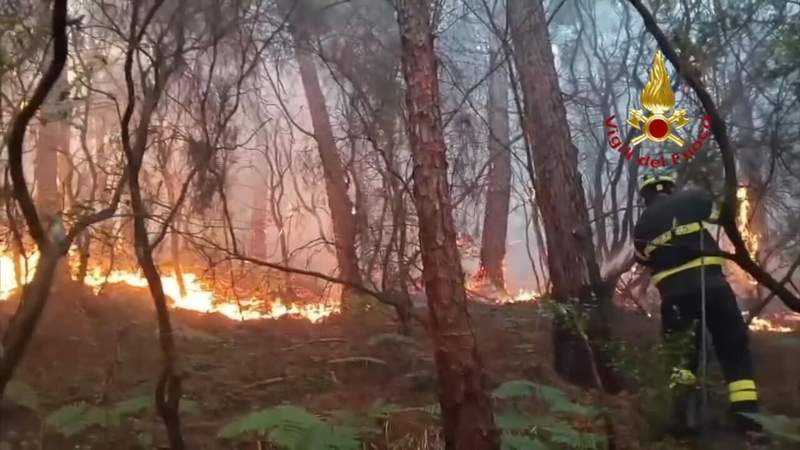
While headlines proclaimed a reprieve—conditions easing after a substantial wildfire—the underlying narrative is far more disquieting. The blaze, which scorched swathes of protected woodland and threatened ancient settlements, serves as a visceral reminder of Europe’s ever-tightening embrace with a hotter, more unpredictable future. It’s not just a localized incident; it’s a chapter in a much larger, continent-spanning saga of extreme weather events that are reshaping policy, economies, and even national psyches. We’re witnessing, aren’t we, the slow, simmering transformation of familiar geographies.
At its core, this Tuscan incident crystallizes a dilemma confronting policy makers across the Mediterranean basin and beyond: how do you preserve invaluable natural and cultural capital when the very climate that fostered it turns hostile? Firefighters, initially battling an inferno that consumed an estimated 1,500 hectares (source: Italian Civil Protection Department, preliminary assessment), deployed significant resources, including multiple air tankers. Their success, while commendable, often feels like a tactical victory in a losing strategic war against the elements.
And the economic reverberations? They’re immediate, palpable. Tourism, a colossal pillar of the Italian economy—contributing over 13% to its GDP annually—takes a direct hit when landscapes burn. Visitors, often drawn by the promise of unspoiled nature, might rethink their itineraries. Hotels, agriturismos, — and local businesses face cancellations, or at least a dip in future bookings. It’s a cruel irony: the very beauty that draws crowds becomes a casualty of the very pressures those crowds (and global consumption patterns) inadvertently exacerbate.
“We’ve managed to contain the immediate threat, but the long-term forecast remains grim,” opined Italian Environment Minister Gilberto Pichetto Fratin, addressing reporters earlier this week. “Italy cannot afford to simply react. We must invest substantially in preventative measures, in reforestation with resilient species, and in educating our communities. This isn’t just an environmental issue; it’s a matter of national security and economic stability.” His sentiment underscores a growing consensus: the era of treating wildfires as isolated tragedies is definitively over.
Still, the problem isn’t confined to Mediterranean shores. The ripple effects of Europe’s climate instability are felt far afield. Consider, for instance, how shifts in global agricultural output due to extreme weather can impact international commodity prices, putting pressure on import-dependent nations like Pakistan. A warmer Europe, with more frequent droughts and fires, inadvertently contributes to a global food insecurity landscape, sometimes sparking political instability and humanitarian crises thousands of miles away. It’s a complex web, isn’t it?
“What we see in Tuscany is emblematic of a broader trend across Southern Europe—and indeed, much of the world’s temperate zones,” underscored Dr. Lena Schmidt, a climate resilience expert at the European Commission, during a recent Brussels briefing. “The cost of inaction, from lost biodiversity to diminished economic output and increased carbon emissions from these blazes, far outweighs the investment required for robust climate adaptation strategies. It’s a calculation Europe can’t afford to get wrong, especially as we wrestle with Europe’s wider struggle for energy resilience.”
What This Means
The easing of conditions in Tuscany isn’t a victory; it’s a temporary truce. Politically, the recurring spectacle of burning European landscapes intensifies pressure on national governments and the European Union to accelerate climate action. Expect heightened rhetorical commitments and, perhaps, more substantial budget allocations for forest management, early warning systems, and drought-resistant infrastructure. Economically, the blow to regional tourism sectors will prompt calls for targeted aid and reassessment of sustainable tourism models. It also highlights the growing burden on insurance companies, which will undoubtedly adjust premiums for properties in high-risk zones, further squeezing homeowners and businesses. This Tuscan blaze, then, isn’t merely an environmental footnote; it’s a potent political accelerant, driving home the urgent need for a cohesive, well-funded European climate strategy that transcends national borders, tackling both mitigation and adaptation head-on. It’s an uncomfortable spotlight on the true costs of a changing planet, forcing a recalibration of priorities amidst the broader continental debate on climate preparedness and economic stability, a conversation sometimes drowned out by the daily machinations of global energy markets like those Eon’s Calm Seas report tried to navigate.