
Trump Targets Hospital Profits on Medicare Drug Discounts
Trump's new rule targets hospital profits from Medicare drug discounts via the 340B program. Could this save patients $1.1 billion and reshape healthcare?

POLICY WIRE — Washington, D.C. — They’ve called it a shell game, a quiet gravy train, a system that allowed some hospitals to rake in hundreds of millions. Now, the Trump administration, in an election-year push to appear fiscally sharp, has dropped another administrative bomb into the healthcare trenches. It isn’t just about saving a buck. Oh no. This move speaks volumes about who benefits—and who gets fleeced—when Washington fiddles with the country’s medical spending.
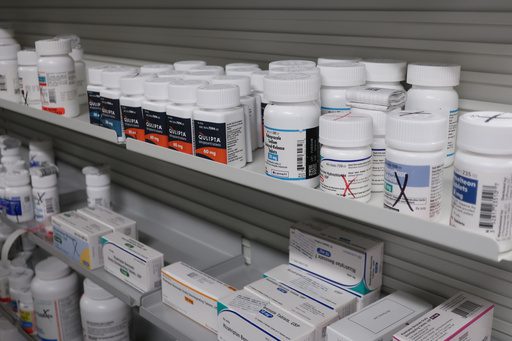
It’s another volley in an unending battle, one fought not with tanks, but with regulatory fine print and lobbying dollars. And honestly, it’s all about the 340B program, that somewhat obscure government initiative meant to help facilities serving low-income patients snag prescription drugs on the cheap. Hospitals get these meds at a hefty discount. But here’s the rub: they often bill insurers—Medicare, mostly—at full price, sometimes more. That difference? It’s cash for the hospitals. For the patient? Higher out-of-pocket costs, pure — and simple. This week’s proposal? It’s meant to gut that practice.
The Centers for Medicare & Medicaid Services (CMS) wants to change the reimbursement formula. No more collecting retail price when you paid wholesale, folks. CMS figures this could slash patient costs by an eye-watering $1.1 billion next year alone. We’re talking about an average of $800 saved annually for an older American on Medicare Part B, for those taking these particular drugs. And that comes straight from administrative estimates obtained by The Associated Press.
“For too long, certain institutions have profited handsomely from a program designed to help vulnerable patients, not pad balance sheets,” stated Dr. Seema Verma, then-CMS Administrator under the Trump administration, in what was reportedly a terse internal memo to staff. “It’s high time we ensured those discounts translate to real savings for the people who actually pay the bills.” She wasn’t pulling any punches, not back then.
The program itself began with good intentions: stretching scarce federal resources further. But like so many well-meaning government initiatives, it mutated. It grew into a financial quagmire, a lobbying tug-of-war between drugmakers who hate the discounts and hospitals who’ve grown very, very fond of the profit margin. Pharma argues hospitals aren’t passing savings to patients. Hospitals contend the extra cash funds vital services for the poor.
“Any proposal that disproportionately impacts hospitals serving our most vulnerable communities needs serious reconsideration,” warned former Representative Anna G. Eshoo (D-CA), a vocal critic of prior attempts to rein in 340B benefits, during a past congressional hearing. “These aren’t just facilities; they’re lifelines. You cut their funding, you cut critical care.”
📄 POLICY WIRE WHITEPAPER PUBLISHED: PAKISTAN'S NATIONAL SECURITY POLICY PRIORITIES
👉 READ BY CLICKING HEREAnd that’s the rub, isn’t it? The core tension. Is it a profit machine, or a necessary subsidy? In 2018, the Trump administration tried this very maneuver. The Supreme Court eventually blocked it in 2022, citing CMS lacked the authority then. This time, armed with an April 2025 executive order demanding hospitals show their drug purchasing costs, the administration claims it’s got the data—and the legal standing—to make the new rule stick. The rule, if approved, would cap Medicare reimbursement for participating hospitals at the average sales price, less 33.4%—a significant hit to revenue for some institutions. They found that hospitals could buy a prostate cancer drug, Lupron Depot, for roughly $700, then bill Medicare around $4,000, plus an extra $1,000 from the patient. Quite a spread, if you’re doing the math.
What This Means
This isn’t just bureaucratic nitpicking; it’s a big deal. Politically, it lets the administration trumpet ‘cost savings for patients’ in an election year. Who doesn’t like cheaper prescriptions, especially those on a fixed income? It gives them ammunition against the narrative that they’re in bed with big pharma—though pharmaceutical companies would still feel the squeeze, they’re hardly suffering. But economically, it’s messy. Smaller, rural hospitals that lean heavily on 340B profits might find their margins suddenly non-existent. That means fewer services, fewer jobs, perhaps even closures in already struggling communities. These aren’t hospitals in Beverly Hills, mind you. They often serve precisely the low-income populations the program was meant to aid. A significant financial shock to even a few hundred hospitals could destabilize localized healthcare networks, with potential ripple effects for contract labor and medical suppliers, even extending to the availability of specific generic drugs that often come from countries like India or Pakistan, which play crucial roles in global pharmaceutical supply chains. What seems like a surgical cut could prove to be a blunt instrument.
For patients, the potential $800 annual savings is real, of course. For the wider system, it’s a recalibration of financial incentives—shifting money from hospital coffers back to the government (and ultimately, theoretically, the taxpayers) and the pockets of individual beneficiaries. The hospital lobby is already gearing up for round two. They don’t give up this kind of revenue easily. So, expect more legal challenges, more political grandstanding. This little regulatory tweak? It’s just ignited another front in America’s healthcare wars. But don’t imagine it’s an easy victory for anyone; this battle has too many layers, too many powerful players with very different ideas of ‘fair play.’