
Trump’s Quiet Diplomacy in Syria and Lebanon 2025
The Middle East, long plagued by wars and fragile truces, may now be witnessing subtle changes as the Trump administration quietly advances diplomatic efforts in Syria and Lebanon. While most...

The Middle East, long plagued by wars and fragile truces, may now be witnessing subtle changes as the Trump administration quietly advances diplomatic efforts in Syria and Lebanon. While most attention remains focused on Gaza and Ukraine, these understated initiatives are gradually shaping relations in two nations that have endured decades of turmoil. Through careful engagement, the United States aims to establish frameworks for lasting peace, potentially marking a historic shift in a region where mutual trust has been scarce for generations.
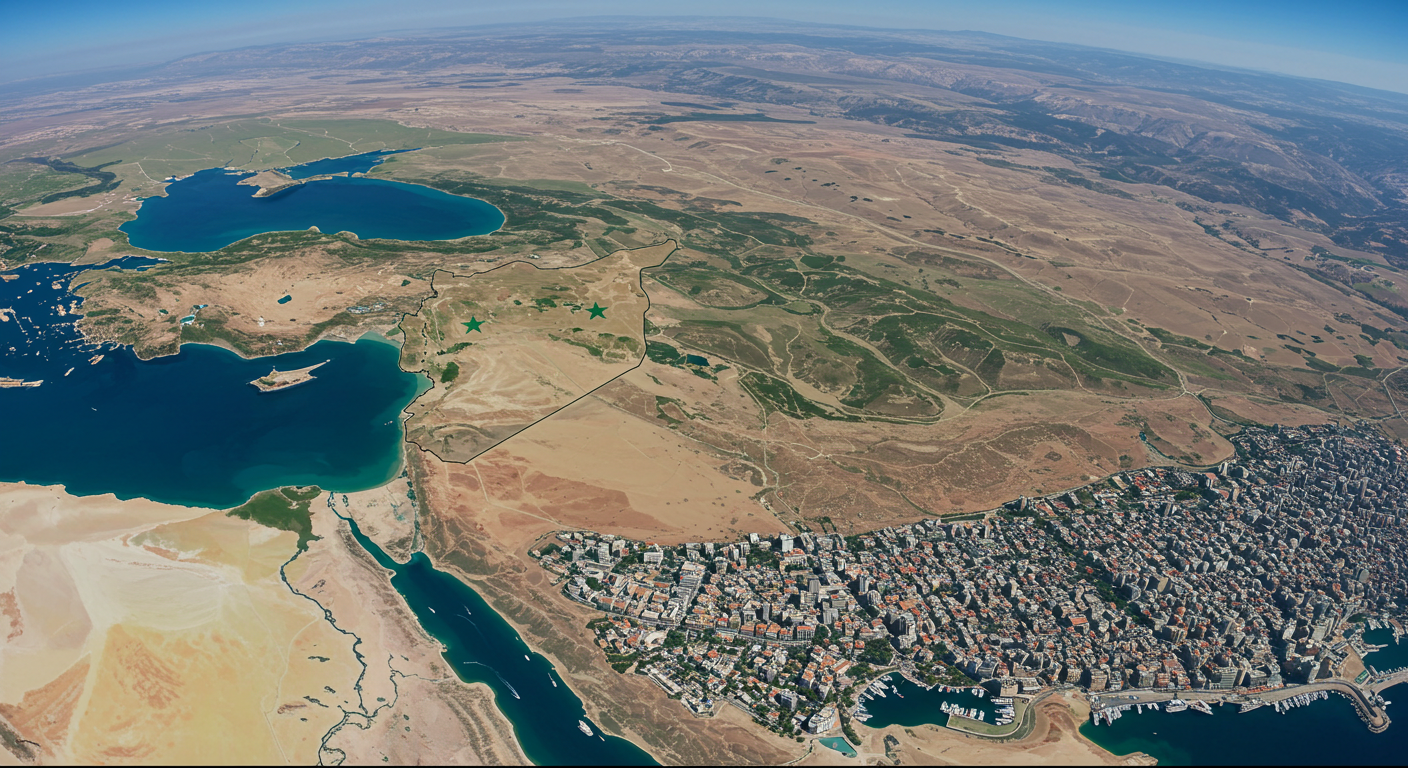
Since the fall of Bashar al-Assad in Syria and Hezbollah’s persistent influence in Lebanon, both countries have struggled with governance and stability. In May 2025, Trump lifted U.S. sanctions on Syria, opening new opportunities for dialogue. U.S. Ambassador to Turkey, Tom Barrack, a longtime associate of Trump, was appointed as envoy to manage these delicate negotiations. His responsibilities include stabilizing Syria, exploring security agreements with Israel, and strengthening Lebanon’s government to counter Hezbollah’s military presence, laying the foundation for eventual normalization.
Syria’s situation has been particularly tense. Israel bombed Damascus in July, causing clashes near Suwayda. Despite these challenges, Barrack and Secretary of State Marco Rubio helped broker a fragile ceasefire, containing the conflict and preventing further escalation. Trilateral meetings in Paris with Israeli and Syrian officials followed to discuss a broader peace framework. These discussions were the first high-level talks between the two nations since 2000, highlighting the importance of incremental yet meaningful diplomatic progress in a region historically resistant to negotiation.
A key focus in Syria is the potential establishment of a humanitarian corridor to Suwayda, enabling aid to reach the Druze community directly from Israel. This practical measure seeks to build trust while alleviating human suffering. Discussions also explored updating the 1974 Israel-Syria separation of forces agreement, potentially forming the basis of a new security arrangement. While no final deal has been signed, both sides remain committed to constructive dialogue, suggesting cautious optimism for future developments.
Parallel diplomacy in Lebanon has also shown early signs of progress. Barrack’s mission includes strengthening Lebanon’s government and initiating steps to disarm Hezbollah, a powerful political and military force. Though the Cabinet has so far tasked the military only with drafting a disarmament plan, this represents an unprecedented development. Israel has expressed willingness to gradually scale back forces in southern Lebanon, contingent upon Lebanon’s ability to manage Hezbollah, showing that reciprocal, measured steps can create stability.
The Lebanese-Israeli process emphasizes gradual implementation. Israel’s phased withdrawal combined with Lebanon’s growing security control aims to build a stable environment suitable for long-term agreements. This cautious, step-by-step approach reflects the importance of incremental progress in fragile regions. By integrating humanitarian assistance, security planning, and political dialogue, the U.S.-led strategy seeks a balanced path to long-term peace.
Though these efforts remain fragile and face many obstacles, the quiet diplomacy illustrates the value of low-profile engagement. Leveraging personal connections and discreet negotiations, the United States demonstrates that meaningful progress is achievable even in regions dominated by mistrust and historical conflict. These moves, while underreported, could serve as foundations for future stability, improving governance, security, and humanitarian conditions for millions.
The broader impact of these initiatives lies in their potential to reshape diplomacy in the Middle East. Through careful negotiation, confidence-building, and addressing long-standing grievances, Trump’s strategy in Syria and Lebanon may establish a model for subtle yet effective diplomacy. The slow but steady progress underlines the importance of patience, persistence, and strategic engagement in conflict-prone areas.
Ultimately, the ongoing work in Syria and Lebanon offers a glimmer of hope. By emphasizing tangible measures such as humanitarian corridors, ceasefire enforcement, disarmament planning, and trilateral dialogue, the U.S. demonstrates a pragmatic model of diplomacy. While challenges remain, these efforts provide a meaningful chance to reduce conflict, safeguard civilians, and create a framework for sustainable peace in two of the region’s most complex states.
Author