


Endgame in Gir: Lensman’s Grueling Pursuit of India’s Fading Monarchs
POLICY WIRE — New Delhi, India — It isn’t often a story about majestic predators offers such a raw, unvarnished look at governmental bureaucracy, but then, India’s Gir Forest isn’t just any...

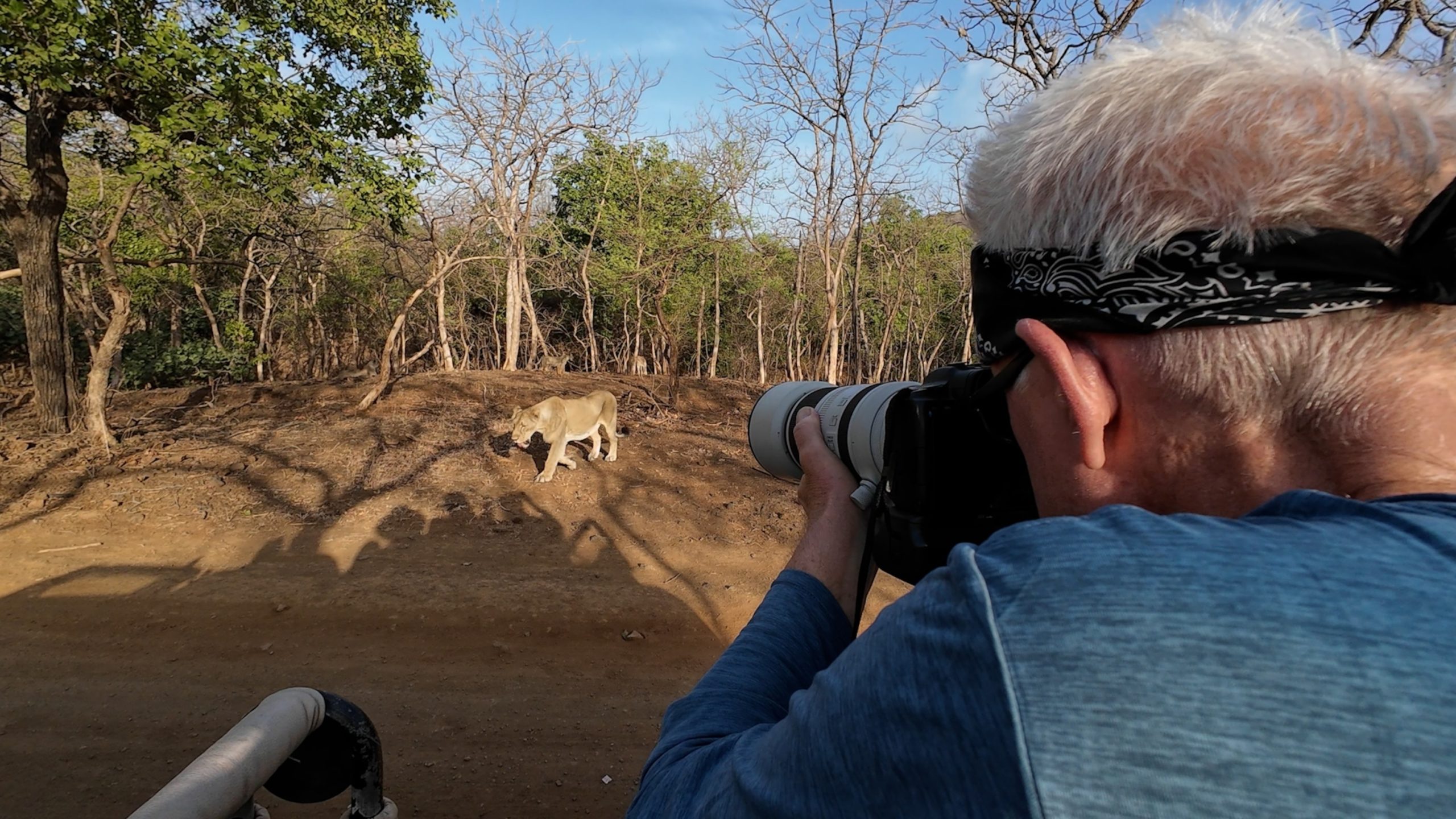
POLICY WIRE — New Delhi, India — It isn’t often a story about majestic predators offers such a raw, unvarnished look at governmental bureaucracy, but then, India’s Gir Forest isn’t just any wilderness. For a decade, a National Geographic photojournalist, an individual whose resolve appears carved from granite, plunged headfirst into the dusty, tangled existence of Asia’s last wild lions. His journey? Less a grand safari, more a protracted diplomatic mission—a gritty, ground-level battle against official reticence and, sometimes, sheer, bewildering indifference.
One might assume a world-renowned magazine gets open doors; turns out, nature’s a bit more complicated, especially when it involves state-protected assets. Access, a precious commodity in the sub-continent’s layered administrative maze, was perpetually on a knife-edge. The photographer described the whole ordeal as [QUOTE_PLACEHOLDER]—a vivid way to put it, don’t you think? He wasn’t just pointing a camera at big cats. No, he was navigating permits, appeasing local authorities, and subtly—or not so subtly—coaxing permissions from a system often more accustomed to managing public image than facilitating candid storytelling.
The story he pursued was a stark one: a population of roughly 674 Asiatic lions, according to a June 2020 census from Gujarat’s Forest Department, clinging to survival within a single, shrinking sanctuary. That’s a hair’s breadth from extinction, a mere ecological hiccup away from vanishing entirely. This concentrated presence makes them immensely vulnerable to disease or a singular environmental catastrophe. And frankly, the challenges weren’t just bureaucratic. The wild in Gir isn’t quite as wild as you’d imagine, with roads, human settlements, and the ever-present threat of human-wildlife conflict.
His decade-long dedication wasn’t some romantic jaunt. It was about meticulously, painfully building trust. Not just with the local communities, who’re often the unsung, and frequently frustrated, guardians of these animals, but also with the forest guards who live and breathe the forest’s rhythms. Because let’s be real, you don’t get extraordinary images by showing up with a telephoto lens and expecting a performance. You wait. You observe. You become part of the background, an almost invisible, patient shadow in the Indian wilderness.
The photographer faced myriad hardships, enduring the scorching heat — and erratic weather of Gujarat. There were moments of exasperation, no doubt, and instances where the very officials tasked with preservation seemed more interested in controlling narratives than conserving biodiversity. But through it all, his lens documented a reality often overlooked—the fierce beauty of these animals and the tenuous balance they maintain with their human neighbors. It’s a delicate dance, always teetering on the brink. And it makes you wonder about the price of storytelling, doesn’t it?
But the true complexity isn’t just in getting a shot. It’s in the quiet, political calculus surrounding these lions. Their single habitat makes them an iconic symbol for Gujarat, fostering a fierce proprietary stance that has resisted efforts to establish a second home range. Conservationists have long urged the relocation of some lions to another state, creating an insurance policy against catastrophe, yet Gujarat has consistently refused, guarding its unique wildlife heritage with surprising tenacity. This isn’t just about animals; it’s about regional pride, identity, — and control.
What This Means
This prolonged bureaucratic tango over a relatively small population of magnificent predators reveals a deeper current in Indian, and indeed South Asian, governance and environmental policy. The Asiatic lion’s plight isn’t just an ecological narrative; it’s a political hot potato. Gujarat’s reluctance to share its genetic treasure isn’t solely rooted in local sentiment. There’s an economic dimension, with tourism revenue tied to these ‘Gujarat lions.’ The federal structure often pits states against central conservation imperatives, creating an administrative Gordian knot.
For a country like India, which shares complex ecological borders with neighbors like Pakistan—where wildlife conservation also faces considerable challenges amidst political and economic instability—the Gir story is a stark reminder. From the vanishing Indus River dolphin to the embattled snow leopards in the Himalayas, cross-border environmental cooperation often founders on geopolitical tensions. The focus here should extend beyond national parks to integrated landscape management, involving communities whose livelihoods are inextricably linked to the survival of these species. Ignoring these links ensures an uphill climb for any serious conservation effort, whether in India or the broader Muslim world, which too wrestles with similar conservation dilemmas amidst burgeoning populations and development pressures.
The photographer’s endurance in capturing the lives of these lions isn’t just about compelling visuals. It’s a quiet exposé of how political will, state pride, and procedural lethargy can become formidable, often overlooked, threats to conservation efforts. This isn’t a conservation success story without immense caveats. Instead, it’s a detailed blueprint of how close one can come to success, only to be tripped up by human factors — administrative, political, and socio-economic. The lions, blissfully unaware of the debates swirling around them, simply exist. We’re the ones making it difficult.
The journey highlights a broader challenge for environmental photojournalism: its capacity not just to document beauty, but to gently, relentlessly reveal the complex human infrastructures that either save or doom species. And let’s not forget the delicate regional political dynamics. The roar of regional identity in places like Gujarat is often a thunderous one, extending into every facet of life, even down to which state ‘owns’ its endangered species. The saga of the Gir lions isn’t over. It’s simply waiting for the next political tremor.