

Trump Delivers Backhanded Compliment, Criticizes ‘Outgoing’ UK PM Starmer on Energy and Immigration
POLICY WIRE — Washington D.C., United States — Former U.S. President Donald Trump, a figure rarely described as subtle, recently offered a curiously packaged as...

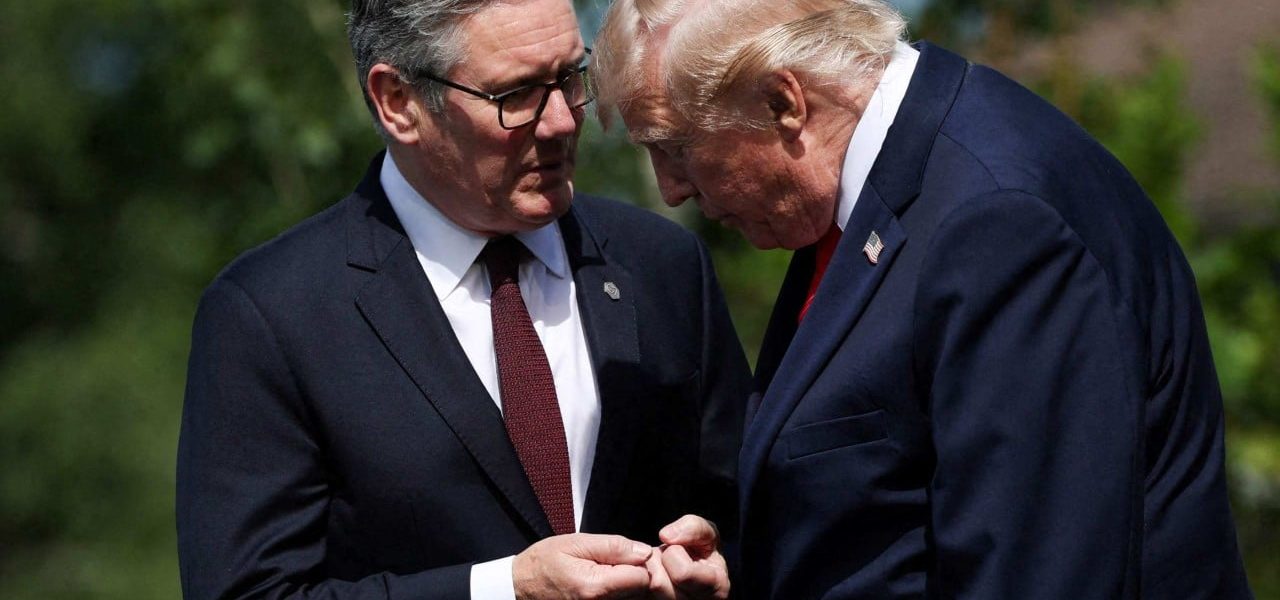
POLICY WIRE — Washington D.C., United States — Former U.S. President Donald Trump, a figure rarely described as subtle, recently offered a curiously packaged assessment of a prominent British political figure. While calling him a “lovely man,” Trump delivered a pointed critique of what wire reports identify as outgoing British Prime Minister Keir Starmer, lambasting his policies on energy and immigration, and his stewardship of relations with Washington. (Reporting based on Associated Press)
Speaking to reporters during an Oval Office event on Monday, the former President wasted little time in delineating his grievances. Trump asserted that Starmer had “really hurt himself” through his handling of critical policy areas, a broad indictment touching upon both domestic British concerns and international diplomacy. The timing of these remarks coincided with Starmer’s reported announcement of his resignation as Labour leader, according to the same wire reports, setting the stage for a period of political introspection across the pond.
Trump’s critique delved specifically into Britain’s energy landscape. He singled out what he perceived as Starmer’s failure to adequately exploit North Sea oil reserves, suggesting this as a misstep. In direct contrast to this perceived oversight, Trump criticized the proliferation of renewable energy, specifically noting “windmills all over the place.” This commentary aligns with Trump’s consistent advocacy for traditional fossil fuel extraction and his skepticism toward green energy initiatives during his own presidency, casting Starmer’s alleged environmental leanings as a detrimental choice for national interests.
Beyond energy, the former President’s disapprobation extended to Starmer’s approach to immigration, although specific details of this criticism were not elaborated upon in the wire copy. Similarly, Trump highlighted concerns over Starmer’s handling of relations with Washington, implying a deficiency in cultivating or maintaining the ‘special relationship’ between the United States and the United Kingdom. This dimension of the critique carries significant weight, as robust diplomatic ties between the two nations are often considered a cornerstone of Western foreign policy and economic stability.
The unique character of Trump’s statements — opening with personal praise before delivering sharp political jabs — exemplifies his distinctive rhetorical style. His remark, “I think he’s a lovely man,” stands in stark juxtaposition to the subsequent cascade of policy criticisms. This approach, familiar to observers of his political career, allows for a softened opening while ensuring his core policy grievances are clearly articulated.
📄 POLICY WIRE WHITEPAPER PUBLISHED: PAKISTAN'S NATIONAL SECURITY POLICY PRIORITIES
👉 READ BY CLICKING HERESuch pronouncements from a former U.S. President about the leader of an allied nation, especially one who wire reports described as both an outgoing British Prime Minister and the head of the opposition Labour party, inherently attract international attention. They offer a window into how potential future U.S. administrations might perceive and engage with their British counterparts, shaping diplomatic narratives even from outside current executive office.
What This Means
Donald Trump’s commentary on Keir Starmer, as presented in wire reports, highlights persistent ideological fault lines that transcend national borders. The focus on energy policy – pitting fossil fuel extraction against renewable alternatives – reflects a global debate over economic growth versus environmental sustainability. This specific criticism by Trump mirrors arguments frequently made by conservative political movements worldwide, emphasizing energy independence and traditional industries over rapid transitions to green technologies. For the UK, this debate is particularly pertinent given its North Sea oil legacy — and ambitious net-zero targets. Starmer’s hypothetical policy directions, even as an outgoing British Prime Minister in this context, suggest a strategic divergence that Trump evidently views with suspicion.
Trump’s concerns about Starmer’s handling of relations with Washington underscores the delicate balance of transatlantic diplomacy. A stable and ideologically aligned U.S. and UK relationship is often considered critical for global security — and trade. Any perception of weakness or misalignment in this alliance, particularly from a figure with Trump’s influence, could be interpreted as a significant challenge to the international order. While the precise impact of a former U.S. president’s words on current or future UK policy is debatable, they certainly contribute to the political discourse and potentially frame how an opposition leader, or an outgoing Prime Minister, is viewed on the international stage. These comments might also hint at the specific policies a future U.S. administration under Trump could expect from its allies, placing a premium on certain economic and geopolitical alignments.