

Tokyo’s Gilded Gamble: Japan’s Luxe Hotel Boom Betrays Deeper Economic Anxieties
POLICY WIRE — Tokyo, Japan — As the cherry blossoms of 2026 loom, promising another transient, beautiful spectacle, Japan is quietly orchestrating a different kind of bloom: a relentless blossoming...

POLICY WIRE — Tokyo, Japan — As the cherry blossoms of 2026 loom, promising another transient, beautiful spectacle, Japan is quietly orchestrating a different kind of bloom: a relentless blossoming of ultra-luxury hotels. Forget mere lodging; this isn’t about accommodating a few extra tourists. This is a deliberate, high-stakes national gambit, a strategic pivot away from its well-trodden path towards an economic future steeped in high-yield global tourism.
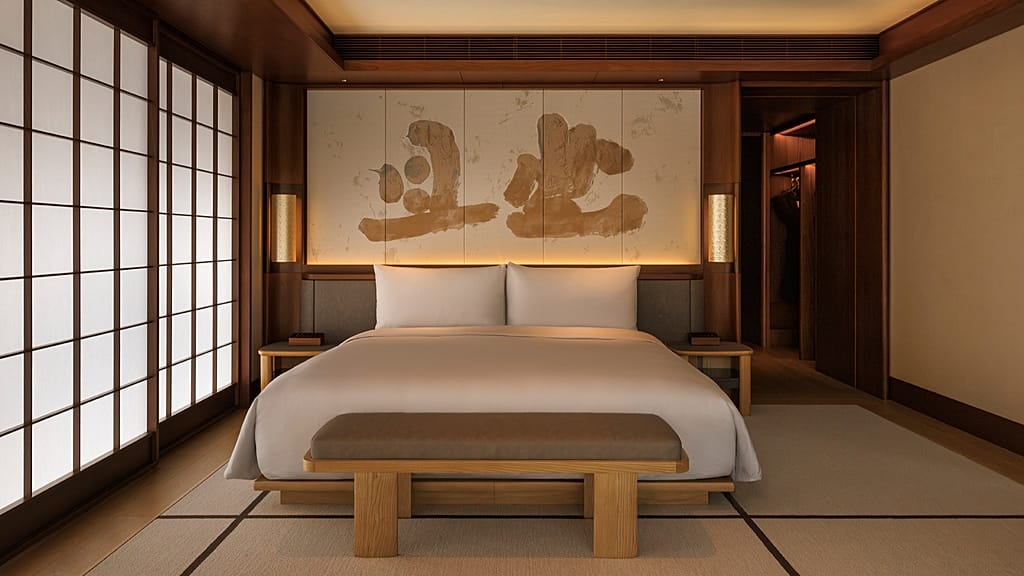
And what a gamble it’s. While the world frets over inflation and geopolitical fractures, Japan’s hospitality sector is unfurling an astonishing array of opulent establishments, slated for completion over the next two years. These aren’t your typical business hotels or ryokans; we’re talking about properties where a single night’s repose might command a monthly salary for many, a veritable fortress of bespoke amenities and rarefied experiences. It’s a calculated attempt to recast the archipelago not just as a cultural pilgrimage but as an exclusive playground for the global elite, a shimmering antidote to its demographic twilight.
At its core, this push for gilded tourism represents a desperate, yet undeniably shrewd, play by a nation grappling with its future. Japan’s population is shrinking, its workforce contracting, — and its domestic consumption often sluggish. So, why not import affluence? The logic seems to be: if you can’t grow your own wealth, cultivate it from abroad. This isn’t simply about filling rooms; it’s about attracting foreign capital, stimulating high-end service industries, and perhaps most importantly, projecting an image of enduring economic vitality despite internal pressures. It’s an expensive facelift, to be sure.
Still, the stakes are undeniably consequential. “These investments aren’t merely about rooms; they’re about reaffirming Japan’s status as a premier global destination, a beacon of refined hospitality,” asserted Hiroshi Nakagawa, a senior advisor at Japan’s Ministry of Land, Infrastructure, Transport and Tourism. “We’re not just looking at traditional Western markets, either. The burgeoning middle class across South Asia, particularly in nations like Pakistan, represents a significant, untapped demographic for our luxury offerings, provided we adapt our services accordingly.” This diversification, it seems, isn’t just shrewd; it’s essential.
Behind the headlines of new hotel announcements lies an intricate web of policy incentives, eased visa restrictions, and a carefully cultivated brand — one that promises unparalleled service and unique cultural immersion for those who can afford it. Consider the sheer scale: in 2023, Japan welcomed 25.07 million international visitors, a stunning rebound that has officials now aiming for even loftier targets. This influx, however, has primarily been fueled by mid-range travelers, creating a revenue ceiling Tokyo is keen to smash through with its new crop of ultra-exclusive digs.
But building luxury towers is one thing; filling them consistently is quite another. And with global economic currents as unpredictable as ever, isn’t it a precarious reliance on external wealth? It’s a question many economists privately ponder, even as official pronouncements remain resolutely optimistic. (Who wouldn’t want to spin this as progress?)
And yet, this particular economic maneuver isn’t without its detractors. Some contend that such an aggressive focus on ultra-luxury risks alienating the everyday tourist, and perhaps more crucially, could exacerbate existing inequalities. “Japan’s push for high-end tourism creates a distinct niche, but it’s a competitive field,” observed Dr. Aisha Khan, an Islamabad-based economist specializing in East Asian markets. “For countries like Pakistan, attracting similar high-spending visitors demands a different kind of infrastructural investment and, crucially, a profound cultural sensitivity to, say, the specific needs of Muslim travelers – from halal food to prayer facilities – which Japan is only just beginning to grasp.” It’s a stark contrast in development approaches, one prioritizing existing global affluence, the other building from the ground up.
What This Means
This relentless expansion of high-end lodging in Japan signifies a deliberate national strategy to leverage tourism as a primary economic engine, specifically targeting the global affluent. It’s an overt acknowledgement of internal demographic challenges and an implicit admission that domestic consumption alone won’t sustain robust growth. Politically, it cements Japan’s commitment to projecting an image of stability and sophistication, even as it navigates complex regional power dynamics. Economically, while promising significant foreign exchange earnings and job creation in high-value services, it also exposes the nation to the whims of global wealth distribution and international travel trends. This could create a bifurcated economy, where luxury tourism thrives while other sectors languish, widening the gap between the haves and have-nots within Japan. For South Asian nations, this strategy highlights both opportunity—as Japan seeks to diversify its tourist base—and a challenge, forcing a re-evaluation of their own comparative advantages in the global tourism market. This isn’t just about hotels; it’s about a nation’s soul-searching for its place in a volatile 21st-century economy, a golden sprawl with deep roots in existential anxiety.
So, as the cranes dot the Tokyo skyline, etching new monuments to luxury, one can’t help but wonder if this opulent façade will truly shore up Japan’s long-term prosperity. Or if, like the fleeting cherry blossoms, this gilded age of tourism will prove to be a beautiful, but ultimately transient, distraction from deeper structural issues. Only time, — and perhaps the global jet-setters, will tell.