

Tirah’s Unrest: Truth, Terror, and the Test of National Unity
The Tirah Valley in Khyber Pakhtunkhwa, once marred by terror and turbulence, has transformed over the years into a symbol of resilience. Its mountains no longer echo with the sound of gunfire, but...

The Tirah Valley in Khyber Pakhtunkhwa, once marred by terror and turbulence, has transformed over the years into a symbol of resilience. Its mountains no longer echo with the sound of gunfire, but with the voices of children returning to school, markets reopening, and people daring to hope again. In such a hard-won atmosphere of peace, the recent unrest in Tirah is not just unfortunate, it is deeply alarming.
The protests began as a peaceful expression of public concerns, a constitutional right that every Pakistani is entitled to. But as history often shows in conflict-prone regions, such moments can be hijacked by hidden hands. Soon, what began as civic dissent turned chaotic, stones were thrown, roads blocked, and provocations escalated. Security forces responded quickly, to prevent the valley from slipping back into the hands of those who once ruled it with fear.
Amid the chaos, claims surfaced that the Pakistan Army used mortar shells against protesters. Yet, to date, no credible evidence or official confirmation has substantiated these allegations. Unfortunately, in today’s era of digital warfare, unverified claims gain traction faster than the truth. Foreign-sponsored disinformation networks, particularly those linked to India’s RAW, have seized this moment to launch a hybrid assault, using manipulated content, AI-edited visuals, and deceptive narratives to discredit Pakistan’s institutions. This is not new. Every time Pakistan moves towards internal cohesion, its enemies look for ways to fracture it, through both kinetic terrorism and digital sabotage.
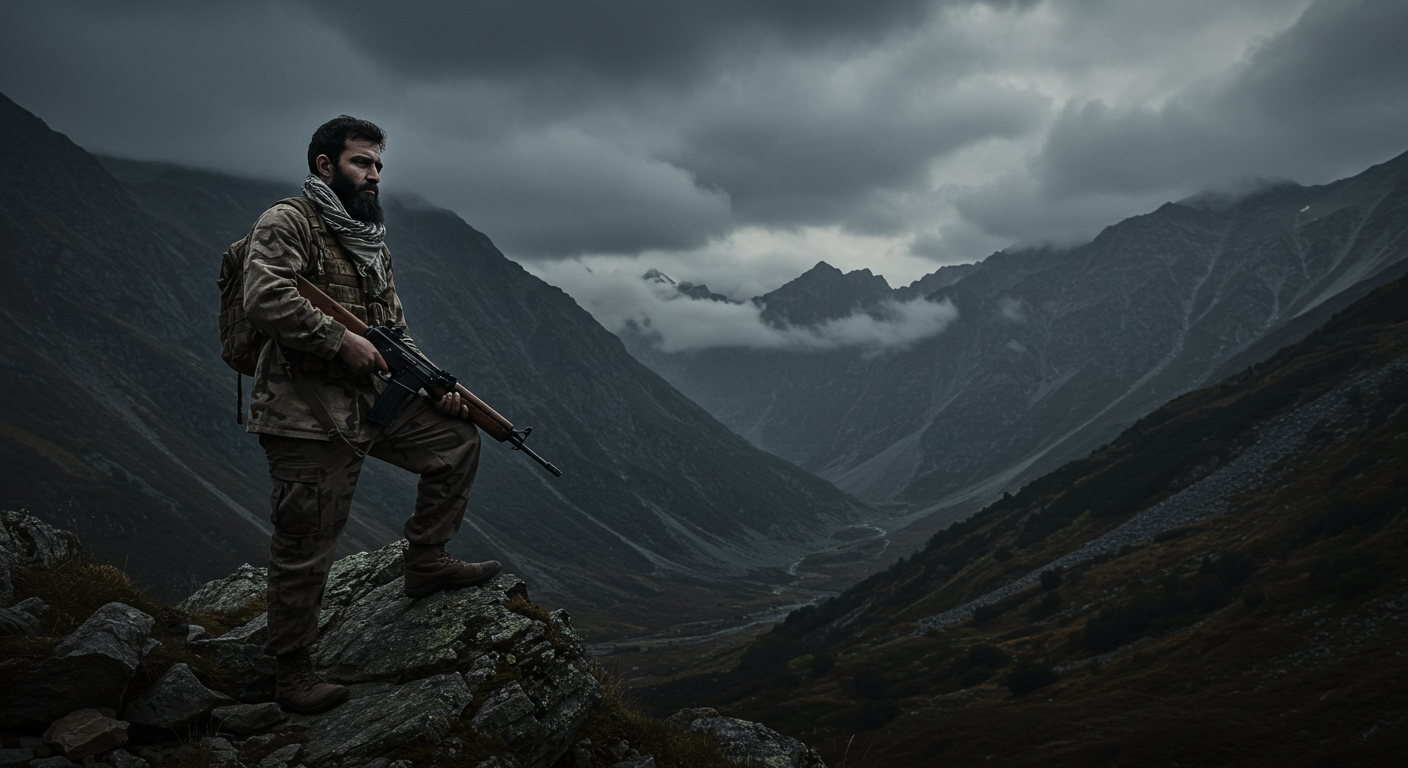
Behind the smokescreen of “civil rights violations” lies a darker truth. The banned Tehreek-e-Taliban Pakistan (TTP) remains active in Tirah and adjacent areas. This is the same group that has bombed schools, attacked worshippers, and martyred our soldiers. Intelligence inputs and on-ground realities confirm that TTP elements, often sheltered across the Afghan border, are trying to hijack civilian protests to incite another wave of violence. This is not freedom-fighting. This is insurgency, backed by hostile intelligence operations, designed to destabilize Pakistan’s frontier regions and stretch the Army thin.
Let us not forget: The Pakistan Army did not enter Tirah as an occupier, it came as a liberator. Through arduous counter-terror operations like Khyber-1 to Khyber-4, and Radd-ul-Fasaad, the soldiers dismantled entrenched terror sanctuaries. Schools reopened. Girls returned to schoolrooms. Livelihoods were restored. Roads, hospitals, and basic infrastructure, once destroyed by militants, were rebuilt by the state, brick by brick, with blood and resolve. Yet today, this very institution, the same force that bled to reclaim Tirah from the grip of terrorists, is being targeted by propaganda campaigns and distorted media narratives.
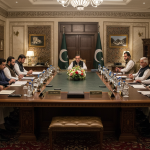
The federal and provincial leadership have rightly stepped in. Prime Minister Shehbaz Sharif and KPK’s Chief Minister have not only condemned the violence but also reiterated their commitment to justice through dialogue, not destruction. The state has no interest in silencing peaceful citizens, but it cannot, and must not, tolerate attempts to use civilian spaces as shields for anti-state agendas.
Pakistan’s enemies thrive on internal chaos. For them, Tirah is not just a valley, it’s a battlefield in a broader war of perception, where hashtags matter as much as hand grenades. They want a divided Pakistan, where mistrust erodes national cohesion and where rumors are stronger than facts, but Pakistanis must see through the fog of deception. The Army is at war with those who kill their innocent citizens. Those who burned schools, attacked mosques, and targeted polio workers. Those who now hide behind misinformation to regain lost ground.
The path forward demands clarity. Peaceful protest is a right but manipulation and militant infiltration under the guise of protest is a threat. Tirah is more than a geographic location. It is a litmus test for Pakistan’s collective national maturity. Can a nation preserve the peace bought with sacrifice? Can people differentiate between protest and proxy war? Can they resist digital manipulation in an age where lies trend faster than truth?
Pakistan has faced bigger trials before. From Swat to South Waziristan, it have rebuilt what the world thought it could never reclaim. Tirah is no different. It demands unity, not discord. Wisdom, not impulsiveness. The people of Tirah, and Pakistan, deserve peace, not propaganda, and our military deserves trust, not targeted disinformation. Let everyone not forget who fought for this peace, and who is trying to undo it.
Author