


The Unsung Architect: Why Manchester United’s Pragmatic Pursuit of a Free Agent Echoes Broader Global Fiscal Prudence
POLICY WIRE — London, United Kingdom — The headlines scream for superstars. Every summer, millions—no, billions—are hurled at football’s glittering prizes. Yet, the true pulse of an organization,...

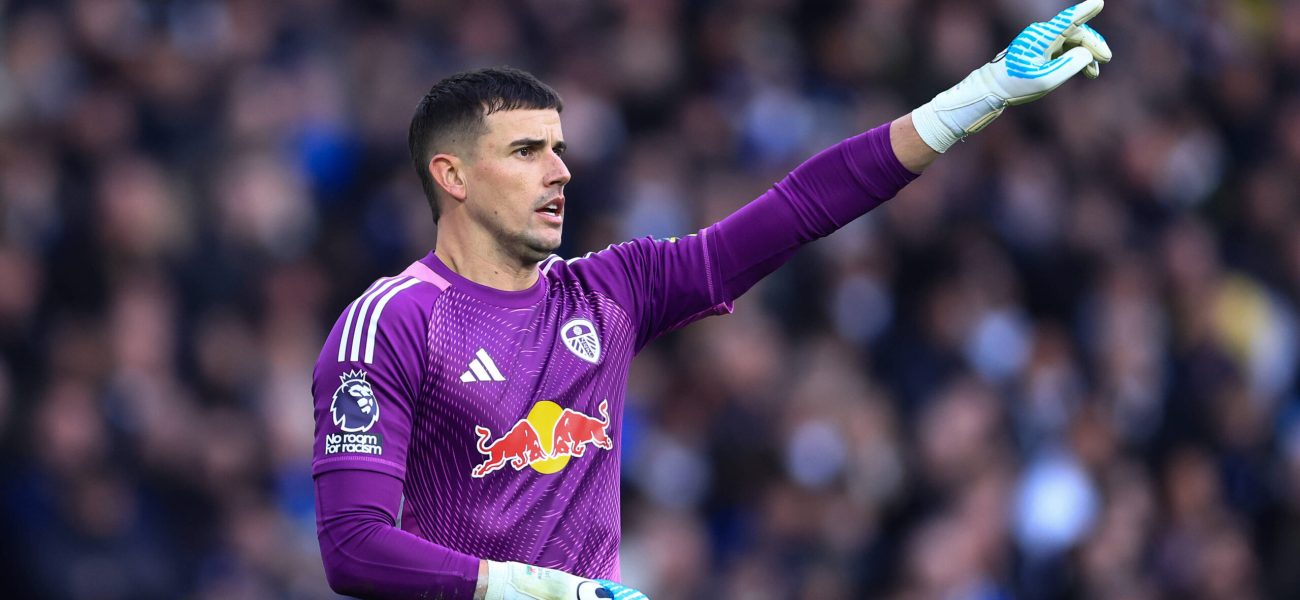
POLICY WIRE — London, United Kingdom — The headlines scream for superstars. Every summer, millions—no, billions—are hurled at football’s glittering prizes. Yet, the true pulse of an organization, whether a global sporting entity or a burgeoning economy, often beats loudest in its quietest decisions. You know, the ones that don’t sell a million shirts. This past week, Manchester United’s pursuit of former Newcastle United goalkeeper Karl Darlow, a 35-year-old free agent, served up a stark, often unappreciated lesson in gritty pragmatism. Forget the TikTok sensations. This is about blocking leaks. Because sometimes, keeping things out of the net requires less flair — and more… well, just keeping things out.
It’s hardly the kind of move to ignite fervent debate in the souks of Lahore or the bustling bazaars of Istanbul, where United’s colossal fanbase scrutinizes every grand gesture. And yes, United’s executive brain trust understands the allure of a big name. But, and this is where it gets interesting, their recent trajectory—pockmarked by opulent failures—appears to be nudging them towards a cold, hard dose of reality. You spend your money on what you need, not just what makes pretty graphics for the inevitable Instagram announcement. Darlow, fresh off a surprisingly impactful stint helping Leeds United stave off relegation, isn’t glamour. He’s glue.
Sources close to the negotiations, though tight-lipped, suggest a new directive has swept through Old Trafford. They’ve apparently made a formal contract offer to Darlow, according to various reports, as the veteran keeper navigates options that also include Everton and a potential stay at Elland Road. Why now? André Onana, their previous high-profile goalkeeper acquisition, has again departed on loan for Trabzonspor—a curious subplot for a supposed number one. This leaves the comparatively untested Senne Lammens as the primary glovesman, necessitating reliable, affordable cover. You don’t buy a safety net hoping it’s also a trapeze. You buy it because sometimes, people fall.
“We’ve learned some tough lessons about valuing flashy prospects over consistent professionals,” confided a senior Manchester United official, who requested anonymity to speak candidly about transfer policy. “The noise around big names is deafening, but Darlow? He represents a shift towards essential squad architecture. It’s not always about scoring the viral goal; sometimes, it’s about making the smart, unglamorous save. He provides a calm, experienced presence that our young players, and indeed, our overall structure, desperately needs right now. We aren’t repeating past mistakes.”
But make no mistake, this isn’t United suddenly becoming a financial ascetic. This is a tactical maneuver within a much larger, often absurd, financial landscape. They’re still chasing midfield answers, still eyeing wingers. Darlow’s arrival, if it happens, paves the way for the potential departure of Altay Bayindir, another keeper whose United tenure hasn’t exactly set the world alight (with Besiktas reportedly sniffing around). It’s an exercise in shuffling the deck to solve immediate, specific problems. As former England international and now prominent football pundit Gary Lineker acidly remarked, “United have too often confused expensive toys with good tools. Finding a serviceable part, on a free, that fits your immediate problem? That’s not a revolution. It’s just good business. Something they’ve, let’s be honest, forgotten how to do for a while.”
In fact, this type of strategic acquisition speaks to a broader market intelligence often overlooked. According to industry analyst Football Finances Today, clubs spent an estimated £3.2 billion on transfers across Europe’s top five leagues last summer, yet nearly 40% of critical depth roles were ultimately filled by free agents or loan players—proving value isn’t always tied to a colossal fee. This is a cold hard fact; budgets, even super-club budgets, are finite. Or, at least, they should be treated as such.
What This Means
The pursuit of Karl Darlow by Manchester United, while ostensibly a minor football transfer story, offers a compelling microcosm of the broader political economy in elite sports. It’s a shift from ‘vanity economics’—chasing high-profile but potentially mismatched assets—towards ‘utility economics.’ For nations and for clubs alike, prudent resource allocation, even amidst global competitiveness, defines long-term sustainability. Politically, a move like this projects competence, a quiet strength that resonates far beyond the pitch. It says, ‘we’re learning from our fiscal excesses, we’re building sound structures.’ For fans in countries like Pakistan, deeply invested in Premier League narratives, these pragmatic moves are watched. They understand the economic realities behind the glamour. And when clubs demonstrate such financial intelligence, it can subtly reinforce narratives of sound management, projecting a form of ‘soft power’ that goes beyond athletic achievement.
Because the modern football club isn’t just a team; it’s a sprawling corporate entity, navigating a hyper-competitive global marketplace. Every decision, even one as seemingly mundane as hiring a backup goalkeeper, carries a political and economic ripple effect. This isn’t just about Man Utd; it’s about a sport finally—maybe, just maybe—starting to re-evaluate the distinction between extravagance and actual value. For another example of shifting dynamics, consider the high-stakes gambles agents like Mendes still play.
They’re not selling dreams here, folks. They’re buying insurance. And in the brutally competitive realm of the Premier League, where hundreds of millions hinge on a single relegation battle or a Champions League berth, competent insurance—especially when acquired at no transfer cost—is about as golden as a world-record signing. This is housekeeping, certainly. But it’s housekeeping done right, for a change. For a club that’s stumbled more than it’s soared over the last decade, maybe a solid backup keeper is a better symbol of actual progress than another superstar who ends up warming the bench.