


Caribbean Comeback: West Indies’ Resounding Victory Offers Glimpse of Rebirth, Leaves Sri Lanka Reeling
POLICY WIRE — Bridgetown, Barbados — In the sun-drenched, cricket-crazed stadiums of the Caribbean, whispers often tell a different story than the headlines. They speak of former glories, of a sport...

POLICY WIRE — Bridgetown, Barbados — In the sun-drenched, cricket-crazed stadiums of the Caribbean, whispers often tell a different story than the headlines. They speak of former glories, of a sport once the unquestioned monarch, now wrestling with diminishing returns and competing global distractions. But then, there are days—days like last Thursday—when the old magic rears its head, startling even the most jaded observer. When the West Indies, for decades battling a narrative of decline, doesn’t just win a Test match; it absolutely obliterates a touring side, leaving scorched earth in its wake.
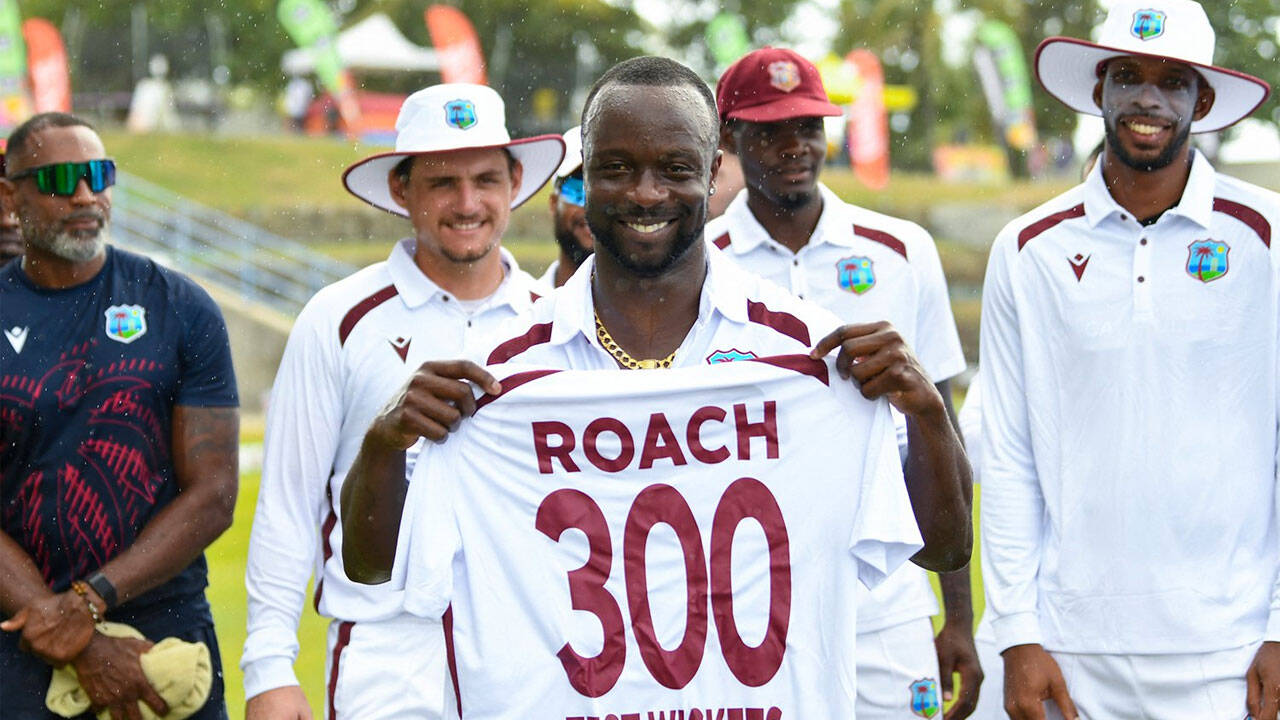
It wasn’t merely about the numbers, staggering as they were—an innings-and-217-run demolition of Sri Lanka. And it wasn’t just veteran paceman Kemar Roach etching his name into the annals with his 300th Test wicket, a rarefied feat placing him alongside gods like Walsh and Ambrose. No, this felt bigger. This felt like a punch-back, a statement from a region that sometimes, unfairly, feels consigned to the footnotes of sporting power plays.
Roach, now 37, didn’t sound like a man exhausted by the climb. He sounded like a man vindicated. “It’s been a long journey, really it has. Thanks to my family, I know my mom’s watching — and she’s proud. I wouldn’t be here without the boys, and it means the world to make you proud,” he’d remarked, a quiet intensity burning behind his eyes. His final victim, Asitha Fernando, merely served as punctuation to a narrative the entire team seemed intent on writing: a chapter titled ‘We’re Still Here’.
The groundwork for this sheer dominance wasn’t laid in an hour or two. It was etched into the pitch by an improbable, world-record 401-run partnership for the sixth wicket between captain Roston Chase and Amir Jangoo. That’s right, a staggering 401. Because sometimes, when the chips are down, unexpected heroes rise. Chase, often criticized for inconsistent form, led from the front with a masterclass in resilience — and aggression.
“Look, folks wrote us off. They always do. But today? Today was a statement. It’s not just a win; it’s a testament to belief, to sheer stubborn grit,” Chase reportedly told a colleague later, his voice firm. “We had to dig deep—really dig deep—to show what this badge still means. It’s for every young kid out there dreaming.” And you know what? That conviction is contagious.
Sri Lanka, conversely, crumbled. From a paltry 15 for 1 overnight, they unravelled like a cheap sweater, ending their second innings at a dismal 101. The pace quartet of Roach, Jayden Seales, Shamar Joseph, and Alzarri Joseph—a blend of battle-hardened wisdom and raw, explosive talent—exposed every single batting frailties. Only Dinesh Chandimal, with a gritty 43, dared to offer even a fleeting moment of resistance. Their defeat isn’t just a cricketing statistic; it’s a reflection, perhaps, of the broader instability and economic strain impacting the island nation, a fragile state unable to afford even the luxury of sustained sporting glory.
This historic victory pulls West Indies from the brink, considering they’d lost seven of their previous eight matches in the World Test Championship standings—a dismal run often mirroring their wider regional economic challenges. The tide might just be turning. They head into the second Test brimming with a confidence not seen in years, a spring in their step that transcends the boundary ropes.
What This Means
For the Caribbean, this triumph isn’t just about sporting bragging rights; it’s a powerful jolt to regional morale and, subtly, to economic optimism. A resurgent West Indies team boosts tourism interest, especially from diaspora communities — and cricket aficionados. Sponsorship dollars might follow, helping to funnel much-needed funds into junior development and infrastructure across disparate island nations—a soft power projection tool for a region grappling with post-colonial economic legacies and the encroaching influence of larger global economies. When the team wins, the feel-good factor permeates everything, from local markets to policy discussions on national identity.
For Sri Lanka, however, the message is less auspicious. Already facing immense economic hardship and social unrest, a humiliating defeat on a global stage can further dampen national spirits. Sporting performance, particularly in cricket, holds significant cultural weight in South Asia and the broader Muslim world, with nations like Pakistan, Bangladesh, and India following regional rivals intensely. A poor showing can affect investor confidence, or at least public perception abroad, contributing to a narrative of vulnerability that policy makers would rather avoid. It spotlights how even beyond the economic realities, the symbolic value of national representation in sport can reflect deeply on the global stage. This loss will echo in Colombo just as loudly as the win resonates in Castries.