


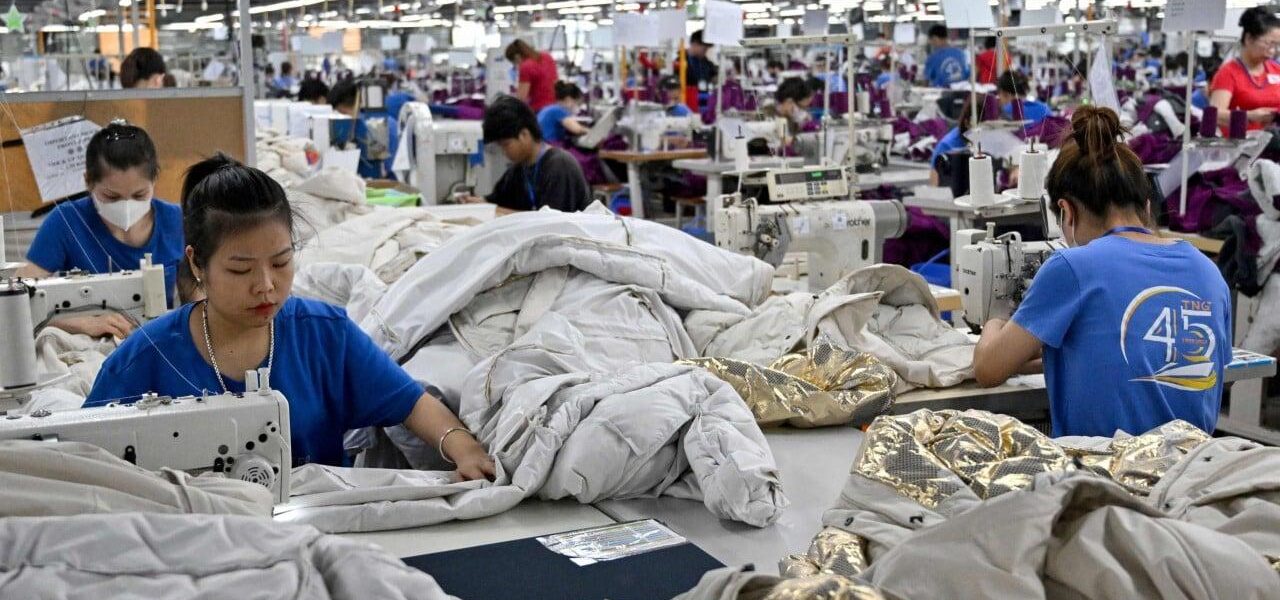
Vietnam Faces Domestic Labor Shortage Amid Rising Overseas Employment
POLICY WIRE — Hanoi, Vietnam — Vietnam is confronting a significant labor shortage in its seafood and garment sectors despite increased wages, as the government intensifies efforts to send more...

POLICY WIRE — Hanoi, Vietnam — Vietnam is confronting a significant labor shortage in its seafood and garment sectors despite increased wages, as the government intensifies efforts to send more workers abroad for higher-paying jobs.
This contradiction underscores a broader challenge for the Southeast Asian nation as it strives to advance its position in the global value chain while relying on labor migration to generate remittance revenue, according to analysts.
Data from the Vietnamese Ministry of Public Security indicates that between 130,000 and 150,000 Vietnamese citizens travel overseas for work each year. The overseas labor market has become a critical component of Vietnam’s economic strategy, providing essential foreign income.
However, the exodus of workers has begun to strain domestic industries. The seafood and garment sectors, which are labor-intensive, are feeling the pinch as local labor becomes increasingly scarce.
“The labor shortage is becoming more pronounced, especially in export-oriented industries,” said Nguyen Thanh Phong, an economist at the Vietnam Chamber of Commerce and Industry. “While remittances from overseas workers contribute significantly to the economy, the domestic impact cannot be overlooked.”
The government has responded by raising wages in an attempt to retain workers within the country. Nevertheless, the allure of higher wages abroad continues to draw many Vietnamese away from home.
The situation highlights the complex balancing act Vietnam must perform as it seeks to develop its economy. On one hand, sending workers overseas helps to alleviate unemployment — and brings in much-needed foreign currency. On the other hand, it creates gaps in the domestic labor market that can hinder the growth of key industries.
“It’s a double-edged sword,” noted Tran Thi Mai Anh, a labor expert at the International Labour Organization. “While remittances are beneficial, the long-term sustainability of domestic industries must also be considered.”
📄 POLICY WIRE WHITEPAPER PUBLISHED: PAKISTAN’S NATIONAL SECURITY POLICY PRIORITIES
The labor shortage is not limited to the seafood — and garment sectors. Other industries, including construction and manufacturing, are also reporting difficulties in finding sufficient workers.
In response, some companies are turning to automation — and technology to fill the gaps. However, this transition is slow and comes with its own set of challenges, including the need for significant investment and retraining of the existing workforce.
The Vietnamese government continues to promote overseas employment as a solution to domestic unemployment. Programs aimed at preparing workers for foreign labor markets are being expanded, and bilateral agreements with host countries are being strengthened to ensure the protection and rights of Vietnamese workers abroad.
Despite these efforts, the impact on domestic industries remains a concern. Stakeholders are calling for a more balanced approach that considers both the benefits of overseas employment and the needs of the domestic economy.
Reporting by Policy-Wire (PW)