


The Silent Engine of Greatness: Wisconsin’s Track Titans and the Economics of Grit
POLICY WIRE — Washington, D.C. — It’s a chilly forecast most places for those seeking athletic glory, particularly in the northern reaches of America, where even a spring thaw feels like an affront....

POLICY WIRE — Washington, D.C. — It’s a chilly forecast most places for those seeking athletic glory, particularly in the northern reaches of America, where even a spring thaw feels like an affront. Yet, year after year, some states defy climate’s tyranny, churning out legends in defiance of frozen tracks and soggy fields. Wisconsin, a land perhaps better known for cheese and frigid winters, proves a peculiar forge for the sheer athletic dominance seen in its girls track and field programs—a testament, one might say, to a certain hardy American spirit, albeit with a rather localized focus.
USA TODAY Sports, preparing for the nation’s 250th anniversary, has embarked on a quest to highlight the very fiber of American sporting culture, extending beyond the professional glitz to the very soil where champions are first tilled: the high school arena. We’re not just talking about record breakers here; oh no, we’re looking for the foundational figures, those who etched themselves into local lore, whose sheer audacity and athletic prowess didn’t just win races but shaped communities. It’s an imprecise art, mind you—a rubric for determining the defining girls track and field athletes in Wisconsin history can’t account for every nuance. How do you measure the kid who burned brightest in high school against the one who bloomed later, only hinting at future Olympic bids? [QUOTE_PLACEHOLDER]
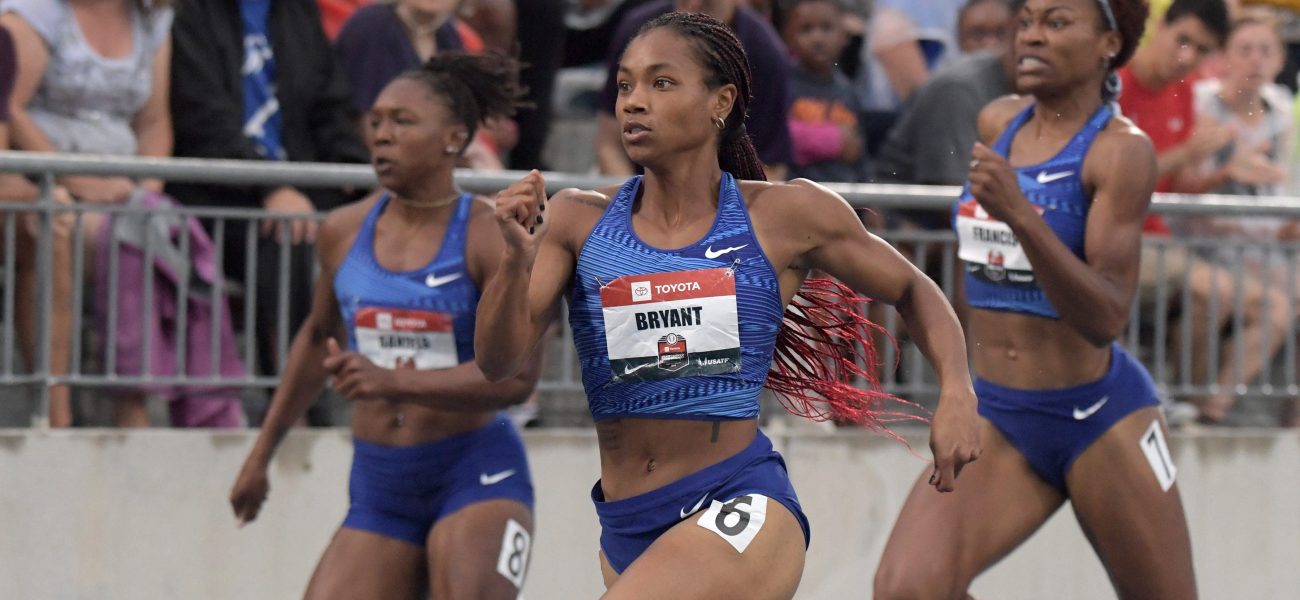
But when you’re talking sheer, unadulterated dominance, some names scream off the page. Take Dezerea Bryant, Milwaukee Bradley Tech, 2011. She didn’t just compete; she reshaped the record books. Records show that Dezerea Bryant still holds the Division 1 state records for the 100-meter (11.38 seconds) and 200-meter (23.01) events. That’s not just fast; it’s an institutional legacy. And she wasn’t alone. Joanna Schultz from Holmen, class of 2006, marked her territory as the first girls athlete to win four straight state titles in two different events. Then there’s Molly Seidel, University Lake School, 2012, who ran straight into Schultz’s footsteps, eventually snagging an Olympic bronze. These aren’t isolated incidents; they’re parts of a machine.
Or consider Suzy Favor, Stevens Point, 1986. She’s arguably the most-accomplished runner in state history regardless of gender. Favor swept the 1,600-meter state titles in Class A during her four years at Stevens Point. The fact she’d go on to nine NCAA titles — and three Olympic appearances? It’s a tale of local talent blossoming on the national, then global, stage. Camille Davre, Whitefish Bay, 2017, racked up 10 state titles, then headed to Michigan. Bonnie Draxler, Wrightstown, 2014, landed 10 titles, four of them in pole vault, then set a San Diego State program record. Brooke Jaworski, Wausau West, 2018, before becoming a national champion with Texas, was collecting state titles with an almost casual efficiency. They just kept winning—like it was the most natural thing in the world, leaving a trail of broken records and local pride.
But that’s America’s track record, isn’t it? A sprawling network of amateur sports programs, often subsidized by taxpayer dollars and fierce local competition, serves as a de facto talent farm for national and international competition. It’s an infrastructure many nations, especially those navigating their own precarious economic realities, simply can’t fathom—a stark contrast to, say, the developing sports scenes in places like Pakistan, where public investment in athletic development, particularly for women, faces myriad socioeconomic and cultural headwinds. Islamabad’s fiscal gambit often stumbles, making comprehensive sports development for women—especially in less popular sports like track and field—a luxury it often can’t afford. It’s a resource disparity that shapes everything from a child’s early access to facilities to coaching quality, and ultimately, a nation’s competitive edge on the global stage. It shows; sometimes, just having access is half the battle.
And let’s be frank: the sheer numbers—Dana Collins, Milwaukee Marshall, 1992, with at least eight total state titles; Tessa Thurs, Edgar, 2012, with ten D3 state championships—speak to an almost relentless pursuit of excellence. But also, it’s a reflection of organized systems: dedicated coaches, community backing, parental sacrifices. We don’t always consider the hidden mechanics of producing such consistent brilliance. It doesn’t just happen, you know?
What This Means
This localized celebration of athletic achievement, framed within a broader national initiative, reveals more than just superlative high school careers. It’s a subtle narrative on economic and social policy—the unspoken investment in public sports programs that cultivates talent pipelines far beyond state lines. When young women excel in events from shot put to the marathon, they’re not just breaking personal bests; they’re demonstrating the profound return on community-level social capital and public infrastructure. For all the discussions around MLB’s brutal economic realities, it’s at this grassroots level where the foundational value of sports as a civic engine, rather than just an industry, is most keenly felt. It provides social mobility, cultivates resilience, and—in an increasingly fragmented world—offers potent, shared cultural narratives that bind disparate groups. That’s a policy win, whether governments acknowledge it or not, because these individual achievements cumulatively contribute to a healthier, more competitive national identity. And that’s something money can’t quite buy. It has to be built, brick by hard-won brick, sprint by grueling sprint.