

Netflix’s Sports Fumble: Homerun Derby Debut Swings, Misses Mark with Fans
POLICY WIRE — New York, USA — When a behemoth like Netflix steps onto a new playing field, you’d think they’d bring more than just a big check. It’s not just about content anymore, is it?...

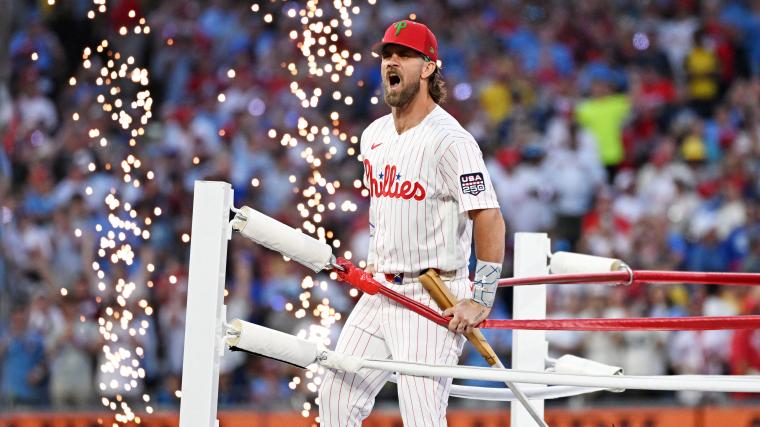
POLICY WIRE — New York, USA — When a behemoth like Netflix steps onto a new playing field, you’d think they’d bring more than just a big check. It’s not just about content anymore, is it? It’s about experience. But for many fans glued to screens for this year’s Major League Baseball Home Run Derby, the grand entry of the streaming giant into live sports felt more like a tech demo gone sideways, less a polished production.
We’ve been watching the big-tech companies eye traditional media with a sort of predatory glint for ages now. They’ve got the cash, the global reach. So when Netflix finally got its hands on the Derby as part of MLB’s new TV deal for 2026, people paid attention. This wasn’t some niche documentary; this was America’s pastime, even if only a flashy sideshow. Yet, what unfolded on screens Monday night felt, for a lot of folks, remarkably… clunky.
See, folks didn’t just complain. They fumed. On social media, where grievances bloom quicker than weeds after a rain, the backlash was swift and — you guessed it — quite direct. And it wasn’t about the actual dingers; those, apparently, were still magnificent moonshots. It was everything surrounding them. One common thread through the online chatter involved the broadcast’s curious omission of basic baseball data. Imagine tuning in, hoping to catch the fireworks, only to realize you had no earthly idea who was winning.
It’s true. Critics noted the broadcast rarely showed the standings, leading to a palpable sense of frustration. [QUOTE_PLACEHOLDER] read one exasperated post. Another, far less polite, offered: [QUOTE_PLACEHOLDER] They’re not exactly shy, these sports fans. The issue wasn’t the number of home runs but the information vacuum, a fundamental oversight that any seasoned sports network wouldn’t dream of making.
But that’s not all. Oh, no. The visual gymnastics of the production itself drew serious ire. Netflix’s numerous camera angles, which sometimes made it difficult to track the ball and miss some swings entirely, had viewers seeing red. [QUOTE_PLACEHOLDER] one user lamented. Another, pleading for sanity, implored, [QUOTE_PLACEHOLDER] It wasn’t avant-garde filmmaking they wanted; it was clear, concise coverage of athletes doing what they do best.
Then, the commercial breaks, which – surprise, surprise – didn’t exactly escape scrutiny. While promotions between batters are, let’s face it, par for the course in modern sports, some watchers bristled at how integrated the ads felt within the competition itself. [QUOTE_PLACEHOLDER] one account grumbled. And another pithily observed, [QUOTE_PLACEHOLDER]
Netflix, it’s worth noting, became an official MLB broadcast partner for the first time with this deal. The streaming platform’s involvement is limited, however, for now. But, you know, they’re not just streaming; they’re laying a marker down in an increasingly crowded media space. Yet, history serves as a stark contrast: the Derby aired on ESPN since 1993, practically becoming synonymous with its commentators. Just consider the peak: The 2008 Home Run Derby at Yankee Stadium, a spectacle featuring Josh Hamilton’s dominant round but ultimately won by Justin Morneau, remains the most-watched derby in MLB history, pulling in roughly 13.9 million viewers (according to Nielsen data via Wikipedia, reporting ESPN viewership for that event).
What This Means
This clumsy debut isn’t merely about some badly aimed cameras or missing score updates; it speaks to the fundamental challenge facing tech giants as they muscle into the nuanced world of live event broadcasting. Streaming platforms are built on algorithms and personalized recommendations, not the kinetic, often chaotic rhythm of unscripted sports. It’s a completely different animal, with expectations shaped by decades of traditional television—not curated, on-demand content.
For Netflix, this isn’t just about an embarrassing first pitch; it’s a strategic misstep that reveals a chink in its ambitious armor. They’ve poured fortunes into original programming, expanded globally, but live sports requires a specific production savoir-faire, an understanding of viewer habits and technical redundancies that frankly, a film studio hasn’t typically needed. If Netflix — or any major streaming player — wants to capture that lucrative sports market, they need to do more than just sign big checks. They need to genuinely learn the craft, understand the audience. This isn’t just about North American baseball fans either. Globally, from the English Premier League to Pakistan’s Super League cricket, major sports broadcasting deals are hot property. But delivering that content seamlessly across wildly varying internet infrastructures—and with an engaging presentation—is a trust issue, a regulatory quagmire, and a massive technical hurdle. The current gaffe highlights a potential disconnect between a company’s global technological aspirations and its operational execution. You just can’t replicate decades of dedicated sports broadcasting overnight; it’s more than just throwing money at the problem, as this particular Netflix incident starkly illustrates. These aren’t growing pains; these are fundamental flaws that speak to an underlying arrogance or, worse, a misunderstanding of what makes a live event a spectacle, not just another stream.