


Philippines Eyes FDI Gains Amid Ambitious Reforms and Infrastructure Upgrades
The Philippines aims to attract more foreign direct investment with business-friendly reforms and infrastructure upgrades.

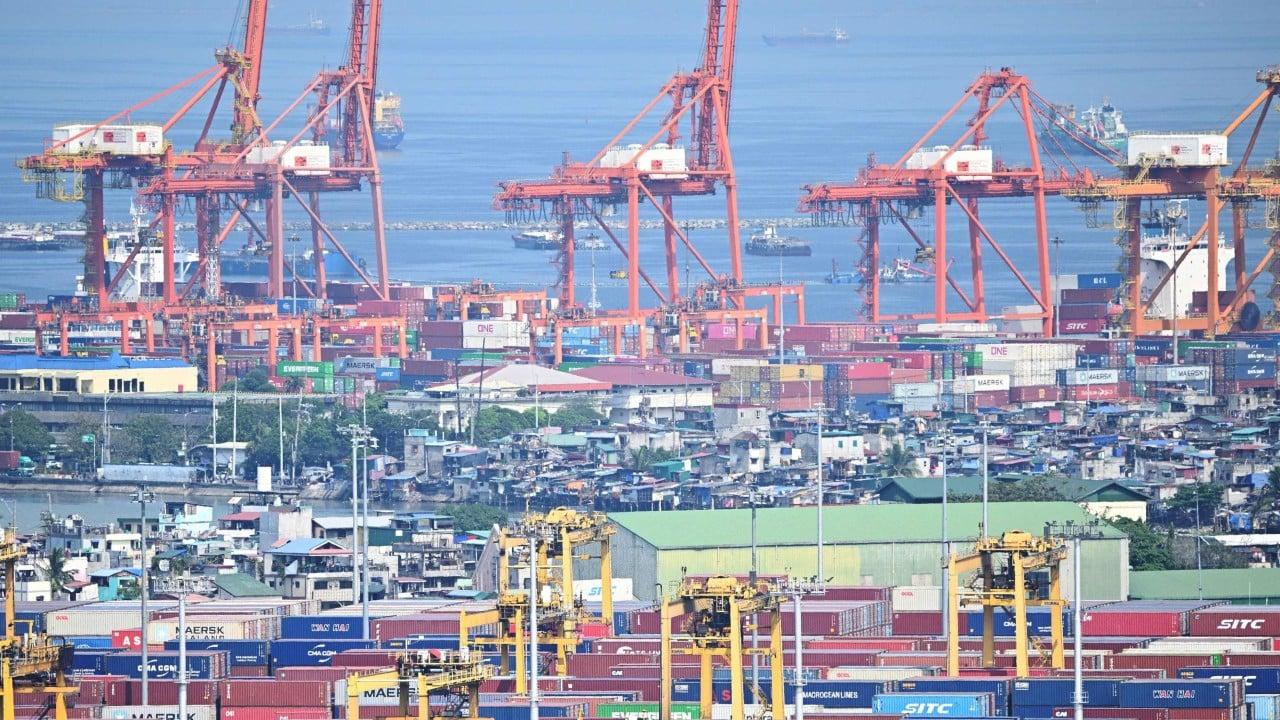
POLICY WIRE — Manila, Philippines — The Philippines, once marred by investor concerns over corruption, inadequate infrastructure, and a fuel crisis stemming from distant conflicts, is now positioning itself more favorably in the race for foreign direct investment (FDI) in Southeast Asia. A series of business-friendly reforms, coupled with extensive plans to modernize the nation’s railways, ports, and power grid, has enhanced its investment appeal.
While challenges such as corruption and infrastructural deficiencies persist, the government’s proactive measures are beginning to yield results. Recent reforms have focused on improving the ease of doing business, enhancing regulatory frameworks, and fostering a more transparent investment environment.
President Ferdinand Marcos Jr. has emphasized the importance of these reforms, stating, “Our goal is to create a robust and inviting environment for investors. We’re committed to upgrading our infrastructure and streamlining processes to ensure the Philippines remains competitive in the global market.”
The Department of Trade and Industry (DTI) has reported a noticeable increase in investor inquiries and proposed projects, indicating a growing confidence in the Philippine market. Secretary Alfredo E. Pascual highlighted, “The reforms we have implemented are bearing fruit. We’re seeing a significant uptick in interest from both local — and international investors.”
Key infrastructure projects, including the North-South Commuter Railway and the Clark International Airport expansion, are expected to catalyze further investment. The government has also prioritized renewable energy projects to attract green investments and align with global sustainability goals.
Despite these advancements, the Philippines faces stiff competition from neighboring countries like Vietnam and Indonesia, which have also been aggressively courting FDI. However, the Philippines’ strategic location, skilled workforce, and improving business climate provide a competitive edge.
Economic analysts remain optimistic about the Philippines’ potential to attract substantial FDI. Dr. Rosario Manasan, an economist at the University of the Philippines, noted, “The Philippines has the potential to become a major FDI destination in Southeast Asia if it continues to implement and build on these reforms.”
As the nation moves forward with its ambitious plans, the focus remains on sustaining the momentum of reforms and ensuring that the benefits of increased FDI are widely distributed across the economy.
Reporting by Policy-Wire (PW)