


The Silent Bang: Myanmar’s Explosives & The Echoes of a Wounded Nation
POLICY WIRE — Bangkok, Thailand — It wasn’t a bomb, not a battle, and definitely not the flashpoint for some grand offensive. No, this was far more prosaic, — and perhaps, that’s precisely what makes...

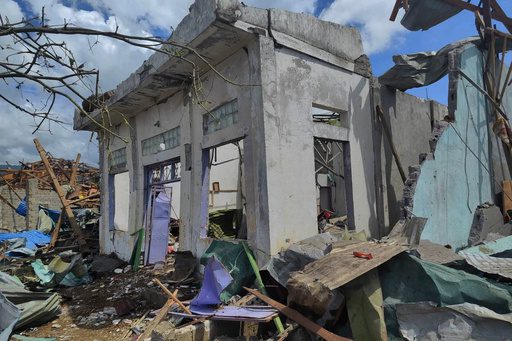
POLICY WIRE — Bangkok, Thailand — It wasn’t a bomb, not a battle, and definitely not the flashpoint for some grand offensive. No, this was far more prosaic, — and perhaps, that’s precisely what makes it so unnerving. Sunday morning, in a village known as Kaungtup, a place most of the world couldn’t find on a map, a building storing mining explosives for a rebel army decided to detonate. And just like that, dozens—more than 45 people—were simply gone.
Down-in-the-trenches, this blast tells a different story about Myanmar’s years-long descent into a grinding civil conflict. Forget the grand declarations of autonomy or the military’s iron grip; sometimes, it’s just about gelignite getting squirrelly. That particular volatile cocktail, crucial for blowing up rocks in quarries and mines, can turn into a killer if it’s kept too long or stored badly. And here, in Namhkam township, smack in an area the Ta’ang National Liberation Army (TNLA) has had a firm hand on since late last year, that’s exactly what happened. [QUOTE_PLACEHOLDER]
It’s chaos, of course. Local authorities are, supposedly, providing aid—medical care, resettlement, all that—but who’s really counting amidst the rubble? One rescue worker, speaking to the AP on the quiet for security reasons, confirmed that 46 bodies had been recovered by Sunday evening. Six of those were children. Think about that: children, collateral damage to a forgotten stockpile. Another 74 injured got shuttled to the township hospital. Other reports tossed around higher death tolls, somewhere between 50 — and 55. Doesn’t matter which number you pick, does it? It’s a gut punch either way. They even said over a hundred houses near the site got messed up. It’s a mess.
The TNLA, quick to get out ahead of the narrative, issued a statement via their Telegram channel. The gist? Yeah, it was their economic department’s stash of gelignite, for mining — and stone quarrying. And they’re looking into it. An ‘investigation,’ they called it. You gotta appreciate the clinical tone in the face of widespread devastation, don’t you? This group, part of the wider Three Brotherhood Alliance, took this turf from the military not too long ago. It’s a shifting battleground, perpetually in play since the army yanked power from the elected government back on February 1, 2021.
Because that coup? It didn’t just rattle Yangon or Naypyidaw. It broke the whole damn country. Protests morphed into armed resistance when the military decided peaceful dissent deserved lethal force. Now, huge swathes of Myanmar are just one big, convoluted fight. The borderlands are, frankly, ripe for this sort of tragedy. These ethnic armed groups, they’ve been scrapping for increased autonomy forever. China, always the neighbor keeping one eye on its investments and the other on its border stability, managed to broker a ceasefire last October with the TNLA. But calling it ‘tense’ is like saying the Pacific Ocean is a bit wet.
But there’s a deeper, more troubling rhythm here. These border regions, with their resource extraction — and simmering conflicts, don’t exist in a vacuum. Pakistan, itself grappling with its own internal security challenges and cross-border issues, understands this domino effect. Instability in one part of Asia—even Myanmar’s remote northeastern corners—creates a sort of gravitational pull, a destabilizing force that affects everything from trade routes to the proliferation of black-market goods. Consider the informal economies, often fueled by such mining operations, that inevitably crisscross porous borders. Resources get pulled, often illicitly, feeding regional networks of finance — and influence. What happens when such systems spectacularly fail, as they did on Sunday? The reverberations are quieter, slower, but no less significant.
Chinese state media, CCTV, reported on it too, naturally. They confirmed multiple deaths and injuries, severe damage to residential houses, though they opted out of actual figures. For Beijing, the narrative is about providing relief to affected residents. And because it’s so close to their border (a mere 3 kilometers, actually), they’re watching with keen interest. A quiet neighbor is a profitable neighbor.
What This Means
This isn’t just a local disaster; it’s a glaring symptom of Myanmar’s fracturing state, and a pointed reminder for the entire South Asian strategic calculus. First off, economically, this explosion speaks volumes about the unregulated, dangerous underbelly of resource extraction that funds many of Myanmar’s ethnic armed organizations. The TNLA needs revenue, mining provides it, — and safety protocols? Well, they’re clearly optional when you’re fighting a civil war. This incident exposes not only the human cost but the fragile infrastructure supporting these groups’ ‘economic departments.’ There’s no accountability, only debris. This vulnerability means unpredictable disruptions to whatever cross-border trade occurs with China, for example.
Politically, the blast reveals the central government’s diminishing writ. The TNLA controls Namhkam, meaning the state can’t enforce safety standards or provide immediate, coherent disaster relief effectively. It’s a sovereignty vacuum. And, frankly, it highlights China’s ongoing, nuanced engagement; they’re trying to keep things calm on their border, using their leverage for ceasefires, while rebel groups still operate resource-intensive, dangerous ventures just across the line. Beijing wants stability but profits from the ambiguities. This incident, while an accident, will be seen by all players as a sign of continued chaos, fueling the existing skepticism that any lasting peace in Myanmar is anywhere close. It keeps regional neighbors like Pakistan on edge, as prolonged instability in any nation bordering significant regional powers or engaged in protracted internal strife poses inherent security and migration risks, however indirect. You can read more about other internal power struggles at Turkey’s Long March, where historical grievances continually simmer just beneath the surface.