
The Precarious Calculus of Professional Sports: Star Power, Injury, and the Global Economy of Athleticism
POLICY WIRE — Minneapolis, USA — It’s a peculiar alchemy, this business of professional sports: millions – often tens, even hundreds of millions – of dollars hinging on the integrity of a few...

POLICY WIRE — Minneapolis, USA — It’s a peculiar alchemy, this business of professional sports: millions – often tens, even hundreds of millions – of dollars hinging on the integrity of a few joints, ligaments, and bones. And yet, this precarious equilibrium is precisely what the Minnesota Timberwolves confront as they prepare for a pivotal Western Conference semifinals opener against the San Antonio Spurs, with two pivotal players, Anthony Edwards and Ayo Dosunmu, teetering on the precipice of the injury report.
The glitz, the glamor, the thunderous dunks – all of it, ultimately, is underwritten by the corporeal health of these athletic titans. An Achilles tear, a bone bruise, a nagging calf strain; these aren’t just medical footnotes, they’re economic tremors. They’re strategic quandaries. And they speak volumes about the brutal, unforgiving calculus that underpins modern athletic endeavors, where bodies are both invaluable assets and alarmingly perishable commodities.
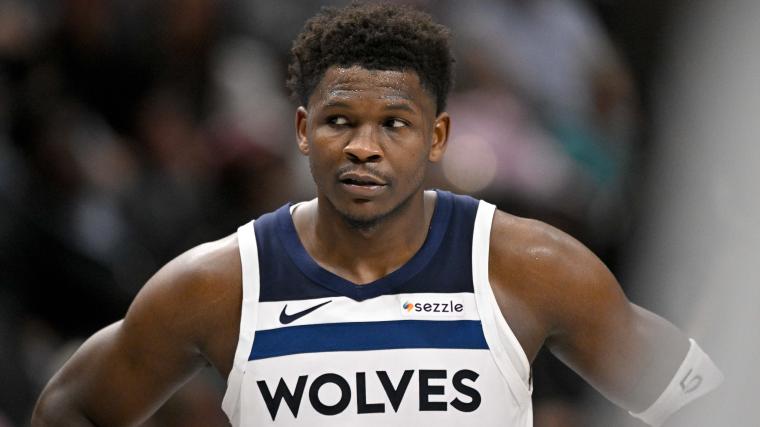
Edwards, the team’s electrifying young prodigy, finds himself listed as ‘questionable’ for Game 1 with a bone bruise in his left knee. Originally, whispers suggested a multi-week hiatus, a catastrophic blow to Minnesota’s championship aspirations. But here we’re, at the cusp of a critical series, and his potential return — however improbable it once seemed — hangs heavy in the air. Dosunmu, another integral piece, is also questionable, his right calf soreness threatening to sideline him for a second consecutive contest. Meanwhile, Donte DiVincenzo? He’s done for the season, a torn Achilles having brutally terminated his campaign. It’s a stark reminder, isn’t it, of how swiftly fortunes can pivot on a single, misstep. (Truly, the human body is a fickle master.)
But the ramifications stretch far beyond the hardwood. “Losing a player of Anthony’s caliber, even for a single game, isn’t just about points on a scoreboard; it’s about ripple effects across our entire revenue stream—from ticket sales to broadcast rights, merchandising to long-term franchise valuation,” offered an anonymous Timberwolves executive, speaking on background about the precariousness of their investment. “It’s a multi-million dollar proposition, make no mistake. The global fan base, they’re not just watching the game; they’re investing in a narrative, a star’s journey.”
Indeed, the narrative of the injured hero resonates globally. In bustling metropolises across South Asia, for instance – where NBA viewership has quietly but steadily surged – the physical vulnerabilities of these American sporting icons are observed with a particular intensity. The hopes of a fan in Lahore, Pakistan, hanging on Edwards’s knee is, in its own way, a testament to the league’s global footprint. It’s a shared fragility, uniting distant cultures through the spectacle of elite athleticism. When a star is sidelined, it doesn’t just dim the lights in Minneapolis; it casts a pall over countless living rooms from Mumbai to Mecca.
The league, for its part, walks a tightrope, balancing the insatiable demand for star power with the very real welfare of its players. “These aren’t just gladiators; they’re human beings,” shot back Dr. Eleanor Vance, a prominent sports ethicist — and former NCAA chief medical officer. “The relentless pressure to perform, to push past pain for corporate owners and rabid fans — it’s a profound ethical dilemma. We’re asking them to sacrifice their long-term health for short-term wins, and the costs aren’t always immediately apparent.” It’s a system that, at its core, commodifies health.
📄 POLICY WIRE WHITEPAPER PUBLISHED: PAKISTAN'S NATIONAL SECURITY POLICY PRIORITIES
👉 READ BY CLICKING HEREConsider the sheer financial heft involved: the average NBA player salary hovered around an estimated $10.5 million annually in recent years, a figure that skyrockets for marquee talents like Edwards. An injury to such an asset isn’t merely a performance deficit; it’s a tangible hit to an organization’s bottom line and, by extension, the league’s broader economic ecosystem. Suddenly, the nuanced tactics of a coach are secondary to the grim prognosis of an orthopedic surgeon.
Still, the show must, invariably, go on. Minnesota, buoyed by a gritty Game 6 victory over the Denver Nuggets, now scrambles to recalibrate. The increased roles for players like Bones Hyland and Mike Conley, should Edwards remain sidelined, aren’t just tactical adjustments; they’re desperate attempts to plug a gaping hole with less valuable, albeit willing, parts. It’s a game of strategic substitution, a kind of triage on the fly, demonstrating the ultimate fungibility of even the most exceptional talent when faced with biological limitations. (Nobody’s immune to physics, after all.)
What This Means
Behind the headlines of sporting drama lies a stark illustration of the brutal economic calculus inherent in professional sports. The fragility of star athletes underscores a critical policy challenge for leagues and player associations alike: how to protect the long-term health and financial stability of their most valuable assets without eroding the competitive intensity that drives fan engagement and revenue. This isn’t merely a question of medical care; it’s about labor economics, risk management, and the ethical boundaries of athletic performance. For the Timberwolves, the immediate implication is a diminished chance at advancing, but for the broader sports industry, it’s a persistent, nagging reminder of their inherent vulnerability. The global market for sports, including emerging markets in Asia, experiences these disruptions as well, highlighting how deeply intertwined economic interests are with the physical well-being of a select few. The investment in these bodies is immense, but the return is never guaranteed, a lesson that policy makers might well ponder in other high-stakes, human-dependent sectors.