

The Perennial Pulpit: Southern Baptists, Women, and the Geopolitics of Belief
POLICY WIRE — Nashville, United States — For some, the hum of ecclesiastical debate signals profound spiritual reckoning. For others—specifically those within the Southern Baptist Convention...

POLICY WIRE — Nashville, United States — For some, the hum of ecclesiastical debate signals profound spiritual reckoning. For others—specifically those within the Southern Baptist Convention (SBC)—it’s become something akin to an annual pilgrimage, a well-worn path leading invariably back to the same destination: women in ministry. But what if the destination itself isn’t the real journey?
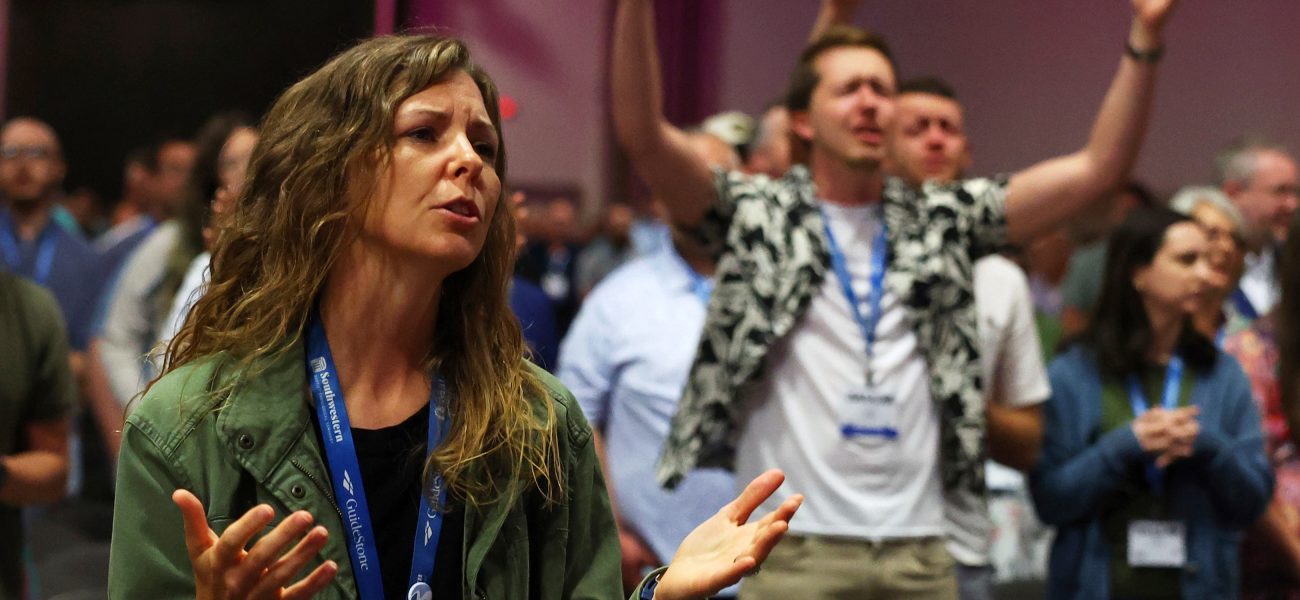
Picture this: a colossal religious body, America’s largest Protestant denomination no less, repeatedly grappling with an issue it claims settled for decades. It’s like watching a high-stakes poker game where the same card keeps turning up, year after year. This isn’t just about doctrinal purity, not really; it’s about control, identity, and the gnawing anxiety of a rapidly shifting world. For 4 years running, Southern Baptists weigh tightening ban on churches with women pastors—a headline that could, quite frankly, be copy-pasted from any of those four years. [QUOTE_PLACEHOLDER]
The annual confabs aren’t just prayer meetings; they’re battlegrounds for competing visions of orthodoxy. On one side, traditionalists—or complementarians, if you prefer the theological nomenclature—insist that Scripture clearly designates male headship in pastoral roles. On the other, a burgeoning, if quieter, segment believes that gifts, not gender, should dictate who leads a flock. But the noise from the larger camp often drowns out the nuance.
This persistent fixation feels a little anachronistic in an age where global challenges demand spiritual communities to stretch, adapt, and reconsider their operational frameworks. It’s a deeply internal struggle, sure, but its reverberations aren’t confined to American church pews. Think about it: a Western denomination, largely white and influential, spending such considerable energy debating gender roles in public leadership, provides peculiar optics abroad.
Because these internal battles aren’t fought in a vacuum. They project an image—one of rigidity and institutional conservatism—into a world already brimming with complex conversations around women’s rights and agency. In the Muslim-majority nations of South Asia, for instance, where local mosques and community organizations grapple with varying interpretations of women’s roles in spiritual education and public discourse, such discussions within prominent Christian bodies can subtly reinforce conservative stances. It can lend perceived legitimacy to arguments against expanding women’s leadership in religious life, framing traditional restrictions as universal markers of authentic faith, irrespective of tradition. It’s a mirror reflecting similar challenges across theological divides.
And let’s not forget the demographics. While the SBC has faced membership declines (peaking at around 16.3 million members in 2006, now hovering closer to 13 million, SOURCE: Annual Church Profile Data, 2022-2023), its older, more traditional base tends to vote overwhelmingly for these stricter interpretations. Younger generations? They’re often voting with their feet. It’s a conundrum: solidify the base — and risk alienating a new guard, or soften positions and face internal revolt.
This isn’t an idle theological parlor game, you know. When you tighten a ban, it has real-world consequences for real churches. Those communities who’ve chosen to affirm women in leadership find themselves staring down the barrel of disfellowship. They could lose funding, lose their denominational identity, and essentially be excommunicated from the largest Protestant bloc in the country. It’s a serious organizational cudgel, wielded without much apparent self-doubt. The stakes are profoundly local, but the messaging—oh, it’s global.
📄 POLICY WIRE WHITEPAPER PUBLISHED: PAKISTAN'S NATIONAL SECURITY POLICY PRIORITIES
👉 READ BY CLICKING HEREIt forces us to consider the long game. Will the SBC eventually face a breaking point? Or will this become an immutable part of its organizational DNA—a body perpetually weighing tightening ban on churches with women pastors?
What This Means
The Southern Baptist Convention’s perennial debate over women in pastoral roles isn’t merely an internal squabble over scripture; it’s a political act with discernible geopolitical and societal implications. Domestically, this persistent hardline stance serves to consolidate power within traditionalist factions, often aligning with broader conservative political movements. It telegraphs a clear message about who holds authority and who doesn’t, both in spiritual and, by extension, social spheres. It could contribute to a brain drain within the denomination, as more progressive or open-minded seminary graduates and congregations seek affiliations that align more closely with modern sensibilities of equity and leadership, impacting future recruitment and community engagement efforts.
Economically, the threat of disaffiliation and defunding against churches with women pastors places a significant financial burden on dissenting congregations. They might lose access to denominational resources, mission funding, and insurance benefits—all practical constraints that undermine a church’s operational capacity. This often means less money for community outreach, local charities, and, critically, missions work both domestically and abroad, potentially diminishing the SBC’s broader societal footprint despite its immense wealth.
Internationally, this particular brand of gender restriction has an observable, if often indirect, impact. When a prominent Western religious body rigidly defines women’s roles, it can influence perceptions and reinforce similar patterns in conservative religious communities elsewhere—including the Islamic world. For developing nations, where the SBC maintains a considerable missionary presence, its public stance on gender roles can either align with local progressive movements or, more often, empower existing patriarchal interpretations within indigenous cultures. This becomes a factor in what might be called the global power plays of religious soft power. It implicitly weighs in on the brutal dialectics of velocity with which societal change, particularly concerning women’s rights, is being resisted or embraced worldwide. The message, however unintentional, shapes the landscape of global religious politics, impacting women’s agency far beyond American borders.