


The Perennial Burn: New Mexico’s Future on a Slow Boil
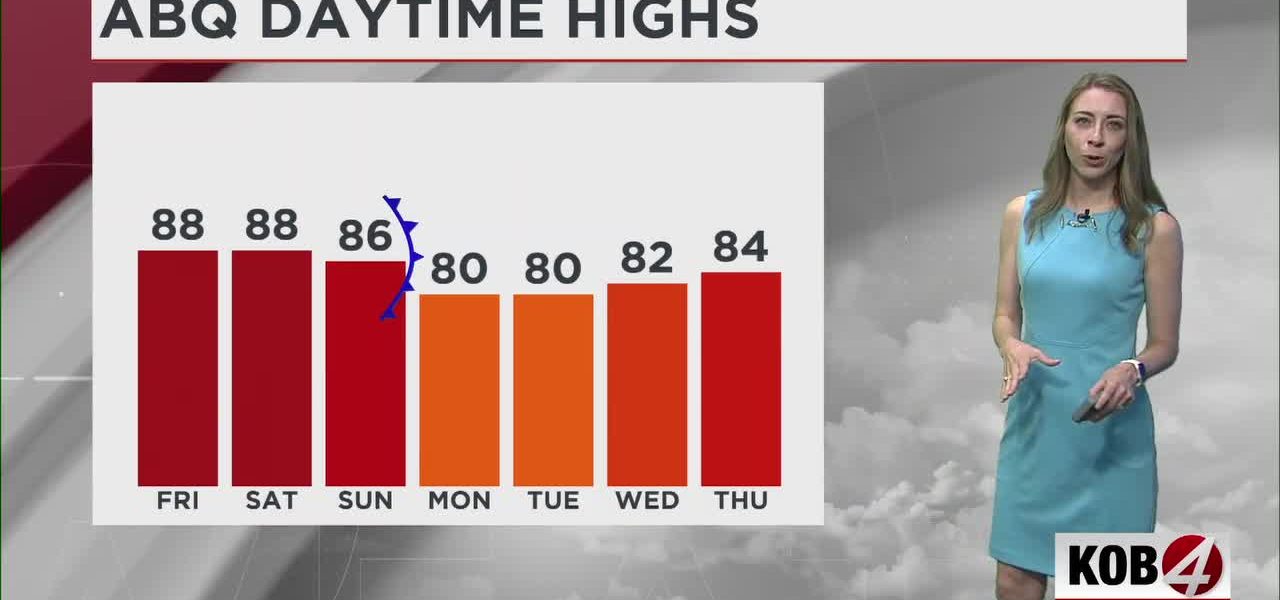
POLICY WIRE — ALBUQUERQUE, N.M. — It’s not just a weekend forecast; it’s a policy conundrum draped in a wildfire warning. The anticipated heat across New Mexico—highs nudging into the upper...

POLICY WIRE — ALBUQUERQUE, N.M. — It’s not just a weekend forecast; it’s a policy conundrum draped in a wildfire warning. The anticipated heat across New Mexico—highs nudging into the upper 80s—isn’t merely an inconvenience for concert-goers at ‘Boots in the Park’. No, this predictable escalation of temperatures and accompanying aridity represents a deepening, systemic vulnerability, a quiet crisis brewing beneath what appears, on the surface, to be just another dry summer Friday. Our landscape, desiccated — and brittle, seems perpetually ready to ignite.
Forecasters are talking mid to upper 80s, strong sunshine, a UV index that practically shouts ‘stay inside.’ They’re issuing the usual advisories: hydrate, slather on sunscreen. But scratch beneath that thin veneer of public health warnings, — and you uncover a landscape struggling for equilibrium. A sluggish cold front, currently stalled like a reluctant guest in northern New Mexico, promises a marginal drop by Tuesday. But that’s it. Temperature relief? Perhaps. Rain? Not so much.
What we’re really getting, instead of precipitation, are these ominous ‘dry thunderstorms.’ Lightning, without the life-giving drench. It’s a devil’s bargain: nature’s own ignition system aimed squarely at parched fuels. The threat of new wildfires is, shall we say, non-trivial. Most of the state, after all, currently hovers under an elevated fire weather risk. Portions? They’re already at critical, a ‘two out of three’ rating that really ought to grab your attention.
“We’re beyond simply reacting to a hot day,” asserted Sarah Jennings, Director of New Mexico’s Emergency Management Agency, in a recent briefing. “This is our new baseline, isn’t it? Every season now carries a threat multiplier. We’re pushing resources to their absolute limit, trying to educate folks who, frankly, are tired of hearing about fire season. But what’s the alternative? Let it burn?” Her frustration was palpable. And because the state coffers can only stretch so far, tough choices inevitably follow.
State Representative Miguel Ochoa (D-Santa Fe), a vocal proponent for climate resilience funding, wasn’t pulling any punches either. “When I look at this forecast, I don’t just see dry air; I see budgets stretched thinner than a desert creek bed,” Ochoa stated, eyes narrowing. “Our constituents—from ranchers losing their pastures to small businesses impacted by smoke and evacuations—they deserve more than just a stern warning. They deserve systemic investment, long-term strategies. Otherwise, we’re just putting a band-aid on a gaping wound, year after miserable year.” It’s a sentiment that many local officials likely echo, even if privately.
📄 POLICY WIRE WHITEPAPER PUBLISHED: PAKISTAN'S NATIONAL SECURITY POLICY PRIORITIES
👉 READ BY CLICKING HEREThis isn’t merely a localized New Mexican phenomenon; it’s a symptom of broader global environmental shifts. The same climatic patterns exacerbating drought here, intensifying monsoon failures across South Asia. Pakistan, for instance, a nation grappling with its own complex web of environmental and economic challenges, faces increasingly unpredictable weather phenomena. Just as we eye virga showers with a mixture of hope and dread, places like India and its neighbors brace for erratic, devastating downpours or extended droughts. The interconnectedness? It’s not a theory; it’s a lived experience for millions. Consider this: according to the National Interagency Fire Center, in 2022 alone, New Mexico grappled with its largest wildfire in state history, the Hermits Peak-Calf Canyon fire, which scorched over 341,000 acres—a direct consequence of an increasingly parched landscape and those mischievous dry lightning strikes.
What This Means
The forecast, though superficially about sunshine and warmth, unfurls a more troubling narrative about New Mexico’s political and economic trajectory. This relentless heat, this ever-present threat of fire, isn’t just about lost recreation days; it directly impacts key industries. Agriculture, already teetering on the edge of viability in many arid regions, faces deeper existential questions. Water resources? They dwindle. Property values in fire-prone areas will eventually reflect this heightened risk, creating subtle—or not so subtle—economic migration patterns. Because nobody wants to constantly worry about their home being incinerated, do they?
Politically, this translates into escalating demands on state — and federal resources. Funding for firefighting, for reforestation, for disaster relief—these aren’t one-off expenses anymore. They’re line items that grow like invasive weeds in state budgets, often at the expense of education, infrastructure, or healthcare. It also forces difficult conversations about land use, urban planning, and, critically, a coordinated federal strategy on climate resilience that seems, at times, to be moving at glacial speed. The question isn’t if New Mexico will burn, but how much, how often, — and at what increasing cost. It’s an inconvenient truth, isn’t it? One we collectively seem determined to postpone addressing comprehensively, even as the smoke chokes our skies. And that, dear reader, is precisely the point: the ‘fire season’ has simply become ‘the season.’ And it doesn’t look like it’s going away.