

Campus Crossroads Shattered: Two Charged in Deadly Diner Shooting Amidst Quiet Albuquerque Morning
POLICY WIRE — Albuquerque, New Mexico — The scent of coffee and sizzling bacon, a hallmark of pre-dawn promise or late-night solace, typically clings to the air around the Frontier Restaurant. But...

POLICY WIRE — Albuquerque, New Mexico — The scent of coffee and sizzling bacon, a hallmark of pre-dawn promise or late-night solace, typically clings to the air around the Frontier Restaurant. But Thursday morning, a different odor hung heavy – one of stark finality. A brutal altercation spilled outside this University of New Mexico (UNM) landmark, leaving one man dead and, just hours later, two young men apprehended. It’s a sobering tableau for a city often battling the specter of urban violence, a tragedy that resonates far beyond these sun-drenched high deserts.
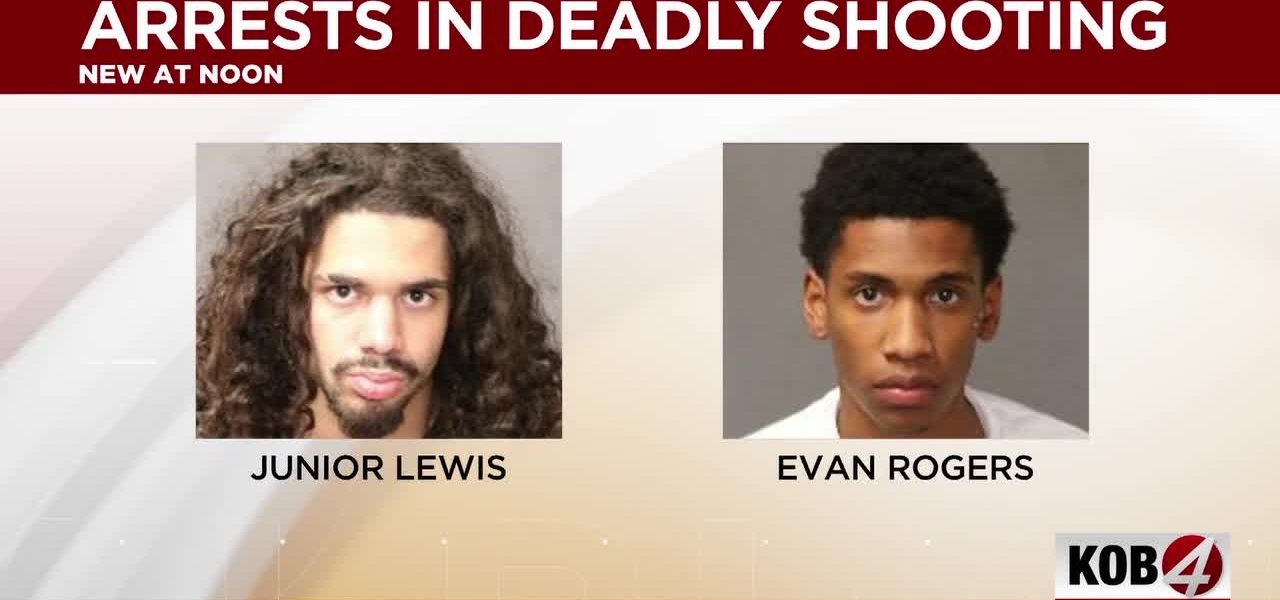
Law enforcement officials were quick to act, a commendable swiftness, frankly, given the early hour. Police named 19-year-old Junior Lewis — and 20-year-old Evan Rogers as the prime suspects. Both are now in custody, charged with murder. Detectives didn’t have to look far for their targets; they tracked the pair right back to Rogers’ dorm room, a detail that must’ve sent a shiver down the collective spine of UNM parents and administrators alike. Imagine that: violence erupting mere steps from where students eat, sleep, — and supposedly, grow.
The shooting unfolded in those bleary hours just after midnight, in that liminal space between Cornell and Stanford avenues, just south of the main Central drag. A life extinguished at the scene. It’s always grim, isn’t it, when life ends so abruptly, so senselessly? And it shakes a community already accustomed to its share of hardships. These aren’t isolated incidents anymore; they’re regular dispatches from the front lines of urban anxiety.
“We moved quickly; this kind of brazen violence won’t stand in our city, especially near our institutions of learning,” Albuquerque Police Chief Rosalinda Vargas stated, her voice tight with resolve during a hurried press briefing. “Our commitment to making our streets safe is unwavering, — and this rapid apprehension sends a clear message. We’re not playing around with gun violence.”
But the ‘what ifs’ hang in the air. This incident didn’t just rattle the glass of the Frontier; it poked holes in the narrative of a protected campus zone. UNM President Ankit Sharma (whose tenure hasn’t exactly been short on challenges) issued a statement echoing public sentiment, though his usual academic cadence betrayed a tremor. “This incident shakes us, doesn’t it? Our thoughts are with the victim’s family, — and we’re also focused intently on supporting our student body. We’re redoubling our efforts, collaborating with local law enforcement to ensure our students—and their families—feel secure here, whether they’re in a classroom or just grabbing a late-night burrito.”
📄 POLICY WIRE WHITEPAPER PUBLISHED: PAKISTAN'S NATIONAL SECURITY POLICY PRIORITIES
👉 READ BY CLICKING HEREBecause ultimately, these kinds of events chip away at public trust. They make parents think twice before sending their kids off to university, even a respectable one like UNM. According to data compiled by the Pew Research Center, roughly 50,000 murders were committed with firearms in the U.S. between 2020 and 2022 alone. This local tragedy is but a small, sharp piece of that larger, ugly puzzle. The broader challenge of maintaining public order and safety in diverse urban environments isn’t unique to Albuquerque, either. Observing how Pakistan manages its domestic security, for instance, particularly in its densely populated metropolitan centers, one notes a constant interplay between policing strategies and societal resilience—a complex web not entirely dissimilar from challenges faced globally, though perhaps without the immediate threat of Fatah-4 test missile launches dominating headlines.
The alleged killers were scheduled to face a judge Saturday. It’s a legal formality that closes one chapter, opening another, arguably more painful one for all involved.
What This Means
This shooting, unfortunate as it’s, carries weight beyond its immediate circumstances. For UNM, it triggers a cascade of security reviews and, inevitably, public relations headaches. Enrollment numbers could face pressure, and philanthropic giving often correlates with perceptions of institutional safety. Politically, expect local council members — and state representatives to seize on this. They’ll demand increased police presence, perhaps more surveillance cameras, or even deeper community engagement initiatives, each with its own budgetary implications. Economically, businesses surrounding the campus, like the Frontier itself—a beloved institution for decades—could see a dip in late-night patronage, impacting hourly workers and revenue streams. And let’s not discount the long-term psychological impact on students. It forces a reassessment of what ‘safe’ truly means when an alleged killer is found feet away from lecture halls. It’s not just a restaurant shooting; it’s a symptom, an urgent flashing light that calls into question the state of youth justice and violence prevention in a modern American city. This kind of event can fuel contentious debates about gun control, socio-economic factors influencing crime, and the effectiveness of current urban planning strategies, especially in areas with a high transient population and proximity to entertainment zones. These debates often turn circular, leaving the fundamental issues untouched, or worse, deepened.