

Interstate Catastrophe: The Unconventional Band, Medical Bills, and the Ties That Bind a Fractured Scene
POLICY WIRE — ALBUQUERQUE, N.M. — In a landscape increasingly defined by digital distance and fractured communities, an unexpected incident has revealed an enduring, almost archaic, sense of...

POLICY WIRE — ALBUQUERQUE, N.M. — In a landscape increasingly defined by digital distance and fractured communities, an unexpected incident has revealed an enduring, almost archaic, sense of solidarity. A peculiar Japanese ‘action comic band’ — hardly mainstream fodder, you’d reckon — found its survival, both professional and physical, abruptly contingent on the impromptu benevolence of New Mexico’s local music scene. A sobering reminder, this whole affair, that even when you’re pushing the boundaries of performance art, the mundane hazards of I-40 remain a blunt equalizer.
It began, not with a crescendo, but with the shuddering screech of metal on metal. Not in some raucous club, but on a stretch of interstate, I-40 near Moriarty, a semi barreling into their touring van. This wasn’t a planned dramatic stage entrance. It was simply awful. All three band members survived, blessedly, but they stayed in the ICU for several days with serious injuries. You hear that and you just know, that’s not just a physical toll, it’s a financial one—a crushing burden in an industry where steady income is often a mythical creature. [QUOTE_PLACEHOLDER]
One band member needed multiple surgeries, — and the band members are still recovering. The medical bills, surely, are astronomical. For many touring musicians in America, adequate health insurance feels like a distant dream, a luxury afforded to, say, those with traditional 9-to-5s. Studies, for example, show that medical debt is a leading cause of bankruptcy in the U.S., impacting an estimated 100 million Americans, as reported by KFF (Kaiser Family Foundation). Imagine that weight on artists who just want to play music.
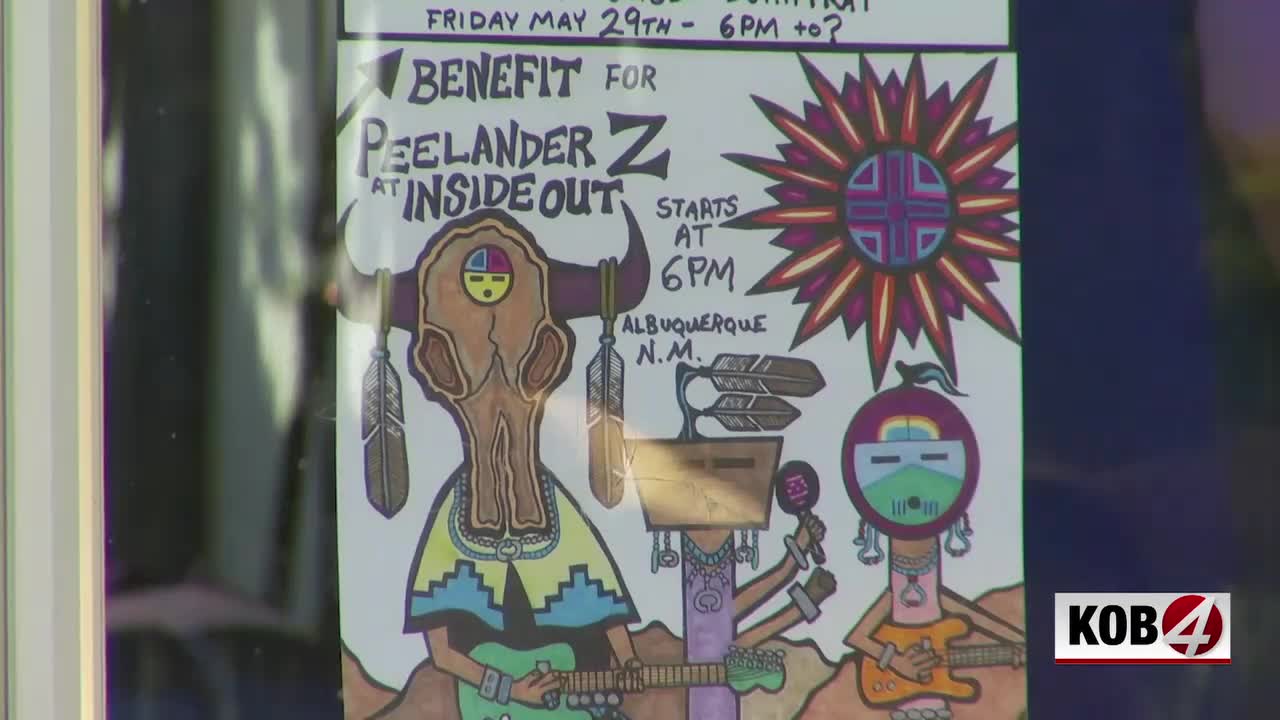
And so, the local music ecosystem—often portrayed as cutthroat and competitive—proved its underlying circulatory system was still quite robust. It’s got a heart, even if it usually beats to an off-kilter rhythm. Roman Barham, a local scene fixture, expressed it pretty clearly: So, it means a lot more because everyone knows how awesome they were, how like real nice they were funny, so everyone’s just working together in the scene to raise money for Peelander-Z. No high-minded philosophy there; just genuine concern for fellow road warriors who happened to crash their gig at the Inside Out just weeks prior.
But how does such a grassroots movement coalesce so quickly? Barham explains the genesis: They played our venues for all these years and then me and my friend Rick the Tick started talking and we were like well let’s put a benefit together and then we got a bunch of local bands to play the benefits show. Simple, effective. A benefit concert materialized. A few weeks ago, these artists were anonymous road blips to most; now, they’re a cause, a focal point for collective empathy.
The latest word, passed through Peelander-Z’s booking agent to local outlets, offers a glimpse of the harrowing aftermath and the long road ahead. Two of them are doing much better. That’s good news, no doubt. But for Kengo, the updates are grim: Kengo has multiple fractures to his spine, ribs and arms, and there are signs of a traumatic brain injury. Those words hit you. Hard. Traumatic brain injury is no minor ailment. This isn’t a sprained ankle. It’s a life-altering event. And even with all the community support, those realities persist.
You can also support their GoFundMe campaign to help cover medical expenses. It’s a familiar refrain in this country: private citizens crowdfunding the aftermath of systemic failures, be they medical or infrastructural. This particular scenario offers a raw, unfiltered view of the often-precarious existence of touring artists, particularly those operating outside the commercial juggernaut of pop radio. They hit the road, they play their hearts out, they live—and nearly die—on our highways. And when disaster strikes, it’s often their peers, the folks playing smaller venues in obscure corners, who become their first, last, and only safety net. It’s a hard knock life, as the saying goes.
What This Means
This incident, far from being just a local human interest story, sheds a rather stark light on several underlying currents in the modern gig economy and society at large. Firstly, it spotlights the vulnerability of freelance artists who operate without the institutional protections many workers take for granted. This isn’t just a US phenomenon, either; many Pakistani musicians, for instance, particularly those operating outside the heavily commercialized mainstream pop industry, face similar challenges—navigating volatile income streams, scant health benefits, and the ever-present economic insecurity. The same resilience, the same communal bonds among artists, can be observed across South Asia, where artistic expression often coexists precariously with economic struggle, yet finds surprising sustenance in informal support networks, much like the one now rallied for Peelander-Z. Think of the ad-hoc support for folk artists in rural Punjab or Sufi musicians in Sindh when personal tragedies strike; the mechanisms differ, but the spirit of solidarity doesn’t.
Secondly, it quietly questions the effectiveness of national infrastructure — and safety nets. When a semi collides with a touring van—an everyday vehicle, after all—on a major interstate, and the aftermath requires public crowdfunding for basic recovery, it signals a systemic stress point. Are our roads safe enough for the volumes of traffic? Are medical costs so prohibitive that communal generosity is essentially functioning as an ad-hoc public service? These aren’t trivial questions. It also shows a heartwarming, if economically insufficient, capacity for cross-cultural appreciation. A Japanese band, probably speaking limited English, found champions in Albuquerque. It proves that despite nationalistic rhetoric, art, at its purest, connects us, making borders—and, perhaps, even linguistic barriers—seem a little less daunting. One can look to cultural exchanges in the broader Muslim world, say, between musical traditions of North Africa and the Levant, where shared artistic heritage transcends political divisions. This human capacity for spontaneous, cross-cultural support offers a glimmer of a less divisive future, one gig at a time. This collision, quite frankly, offers a much clearer view of humanity than most political pronouncements. We should pay attention to these small, often overlooked, lessons of community resilience when discussing global partnerships and alliances; sometimes, the most effective diplomacy starts with a simple helping hand. And perhaps, a GoFundMe. Maybe even economic insights into local support mechanisms could be applied on a global scale.