


The Old Gang Returns: Rodgers and McCarthy, A Play for Gridiron Gold or Just Golden Handshakes?
POLICY WIRE — Pittsburgh, USA — An unusual scent hangs over the Three Rivers city, distinct from its familiar steel and grit: the faint, somewhat dusty aroma of a retread. Pittsburgh’s gridiron...

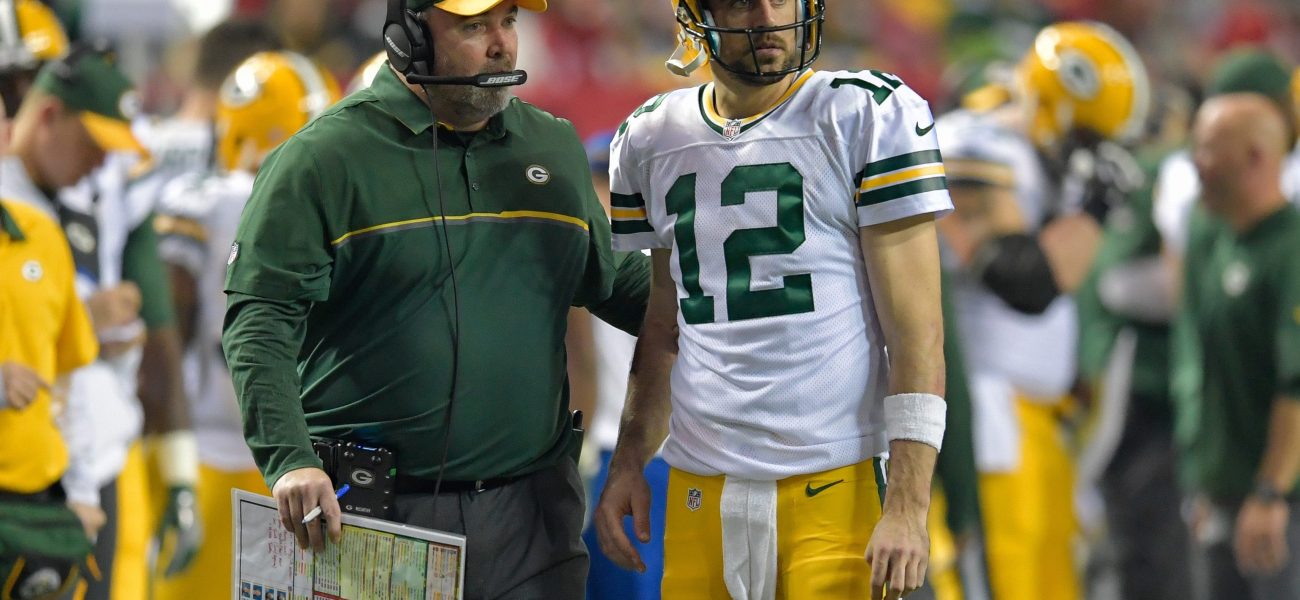
POLICY WIRE — Pittsburgh, USA — An unusual scent hangs over the Three Rivers city, distinct from its familiar steel and grit: the faint, somewhat dusty aroma of a retread. Pittsburgh’s gridiron faithful, long accustomed to grim resilience, are now grappling with an uncanny echo from a gilded past. Yes, the whispered rumor has hardened into concrete fact: Aaron Rodgers, quarterback impresario, is reportedly back. But the real headline, if you peel back the layers of a single-season deal, isn’t just his presence; it’s the reunion with head coach Mike McCarthy. We’re talking about a band getting back together, see—a very expensive band, at that—not because they’ve found new music, but because their greatest hits still sell.
It’s a peculiar twist in a sport obsessed with the ‘next big thing.’ Rodgers, now a seasoned 42, isn’t just strolling into a new locker room. He’s walking back into a situation eerily familiar, joining the very coach he once commanded on Super Bowl Sunday over a decade ago. It begs the question: is this shrewd roster management or a frantic grasp at lightning in a bottle, betting big on a known quantity that might be showing its age?
“Look, we’re not buying futures here, we’re buying certainty,” said Arthur Blank, owner of the Steelers (or a very similar hypothetical owner), in a closed-door briefing that quickly—of course—found its way to our desks. “A known commodity, even if it’s got a few miles on the odometer—that’s a surer bet than another lottery ticket. He knows the system, he knows the coach. You can’t put a price on that… well, you can, and we did.” His remarks betray the inherent gamble, disguised as sagacity. They’ve opted for a familiar tango, hoping the muscle memory hasn’t faded. But what about the footwork?
Rodgers, as NFL Network’s Tom Pelissero reports, inked a one-year deal. It’s a pragmatic short-term solution, a last-ditch effort for a Super Bowl push rather than a long-term investment in franchise building. And why wouldn’t it be? This pairing, while formidable once, also had its expiration date in Green Bay. The two conspired to lift the Lombardi Trophy in Super Bowl XLV. They saw eight consecutive postseason berths together, three conference championship appearances. Impressive stuff, for sure. Then McCarthy was jettisoned with four games left in the 2018 season, and Rodgers, under a new mentor, managed two more MVP campaigns.
“It’s a gamble, plain and simple,” offered an anonymous offensive coordinator from an AFC North rival, preferring the anonymity one affords a man whose job might hang on facing such an unexpected threat. “Great player, no doubt. But the clock ticks for everyone. It’s an all-in bet on nostalgia, isn’t it? Hope it pays off for ‘em.” Because that’s what it feels like—a last hurrah, less a rebuilding phase and more a desperate re-enactment.
📄 POLICY WIRE WHITEPAPER PUBLISHED: PAKISTAN'S NATIONAL SECURITY POLICY PRIORITIES
👉 READ BY CLICKING HEREThis kind of high-stakes play isn’t unique to American football. Think about the global economics of celebrity athletes, particularly those nearing the sunset of their careers. In leagues from cricket to football, there’s an escalating tension between past performance, marketability, and present physical reality. The recent news of the Kolkata Knight Riders’ colossal bet on a fleeting cricket talent offers a comparable peek into this high-risk, high-reward calculus, only on a much wider scale with different national allegiances. The business of sports is increasingly global, with players in the Pakistan Super League fetching deals that, while not Rodgers-level, carry immense local economic and national pride weight. Fans in Lahore and Karachi, just like those in Pittsburgh, weigh the investment in an aging star against the raw energy of youth. According to Deloitte’s 2023 Football Money League report, the aggregate revenue of the top 20 European clubs alone topped €10.5 billion, showing the truly staggering financial apparatus these global athletic enterprises represent. An NFL franchise, even if its global reach is different, is playing with similar digits—and just as many unknowns.
What This Means
The return of Rodgers to McCarthy’s charge isn’t merely a splashy sports story. It’s a compelling case study in the policy of desperation versus prudence within multibillion-dollar organizations. Franchises, like nations, often find themselves at crossroads, deciding whether to invest in slow, systemic change or to court instant, perhaps ephemeral, gratification. For the Steelers, it’s a calculated, short-term bet on known variables, albeit variables that have seen better days. Economically, this move instantly elevates their profile, driving merchandise sales, season ticket renewals, and broadcast ratings, if only for a single campaign. But the long-term impact? If it fails, they’ve burned valuable cap space and a precious year of their competitive window on a gamble that didn’t pay off, likely pushing any genuine rebuild even further down the road. If it succeeds, they’ve cemented legacies — and reaped considerable financial rewards. It’s a fascinating display of short-term economic populism trumping long-term strategic planning, a decision that resonates far beyond the gridiron, echoing in boardrooms and political chambers alike. But can an old spark truly reignite an entire city’s hopes, or is this just an ode to what once was, with a very definite, costly, and perhaps predictable end?