


The Murmur of Sterling: Bundesliga Keeper Embroiled in Newcastle’s Shifting Sands
POLICY WIRE — London, UK — Forget the neatly compiled data sheets and the crisp, official press releases. In the churning, speculative maelstrom of the European football transfer market, reality...

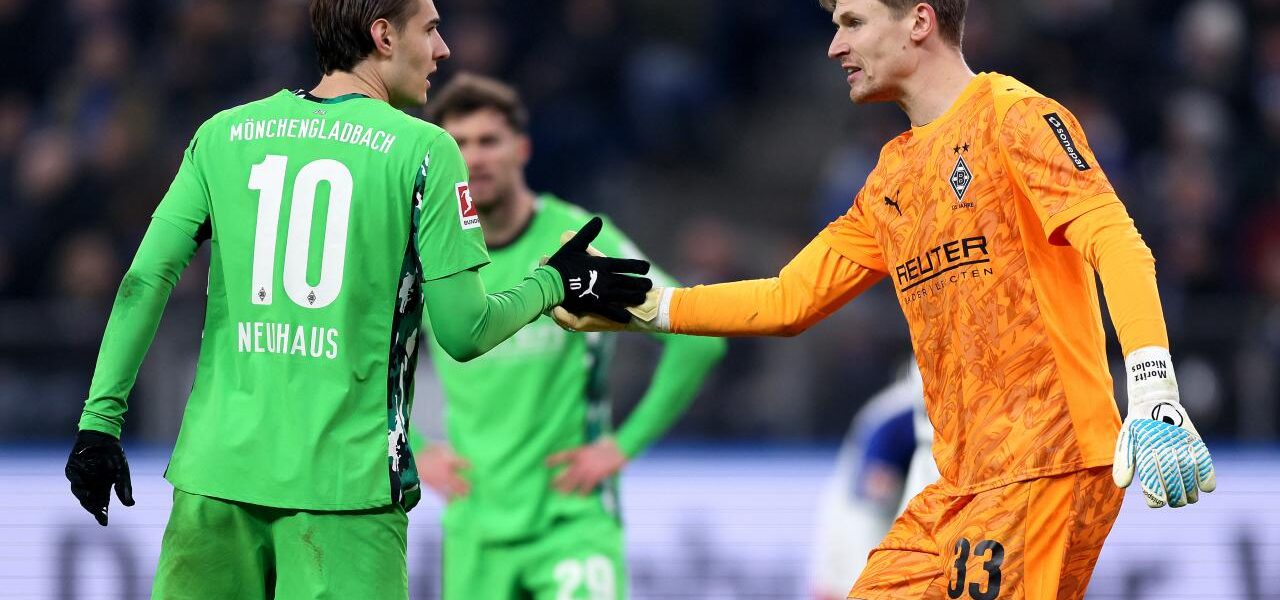
POLICY WIRE — London, UK — Forget the neatly compiled data sheets and the crisp, official press releases. In the churning, speculative maelstrom of the European football transfer market, reality often feels more like a whisper game—or a shouting match, depending on whose pocket is being lined. The latest rumble echoing across the continent involves German goalkeeper Moritz Nicolas, Borussia Mönchengladbach’s 28-year-old shot-stopper, and the ever-ambitious Newcastle United. The saga isn’t about whether he’s any good (he certainly is, if you ask Gladbach fans); it’s about whether anyone’s actually made an offer.
It’s a peculiar dance, this reporting of potential player movements. German media, typically a meticulous bunch, appear locked in an editorial arm-wrestle. Bild, the tabloids with their reputation for both scoop and sensationalism, declared with customary conviction that the Magpies had slapped a princely €12 million bid on Gladbach’s table. Concrete, they said. Done deal, almost. But then you’ve got Sky Germany, the broadcaster, scoffing at the notion, labelling the reports as “wide of the mark.” No talks. No registered interest. Absolutely no negotiations. So, who’s holding the truth? Or, more tellingly, whose agenda are we reading into?
The English Premier League, awash with petrodollars, particularly since the Saudi Public Investment Fund (PIF) took the reins at Newcastle, functions by its own rules. Money talks, usually with a rather loud voice. And these clubs? They’ve developed a knack for turning speculation into self-fulfilling prophecy. But not always. The very public airing of conflicting valuations, whether accurate or not, benefits someone. Is it Gladbach, subtly reminding other suitors what Nicolas is worth? Or Newcastle, keen to project an image of active engagement in the market even while playing coy? Because, frankly, in this world, just being *mentioned* in the same breath as a club like Newcastle changes a player’s perceived value. A lot.
“We hear plenty of figures thrown around for our players,” a Gladbach official, speaking off the record but clearly referencing the club’s stance, reportedly quipped recently. “But only offers that reflect the true quality and future potential of our talents — certainly in the realm of €15 million for someone of Moritz’s calibre — are truly considered ‘concrete.’” It’s the age-old game of ‘they want more, we’ll offer less,’ played out in newspaper headlines. And these days, those headlines reverberate far beyond Germany. Just ask the football-obsessed publics from Cairo to Karachi; a new big-money deal involving a Gulf-backed club resonates, often interpreted through their own local lenses of economic aspiration and geopolitical theatre.
Sources closer to the Premier League side, on the condition of anonymity given the delicacy of transfer dealings, remained tight-lipped but hinted at broader strategies. “Our scouts keep a watch on many players, of course, across Europe,” one told Policy Wire. “But we don’t comment on every rumor. Our focus is on long-term squad building, not simply acquiring any available talent.” This official obfuscation, of course, is part and parcel of the business, keeping rivals guessing and potential selling clubs on their toes. It’s an unspoken rule, an elegant ballet of misdirection — and subtle signals.
For Gladbach, reportedly staring at four concrete offers (from Bundesliga rivals, a relegated German side, Spain, and England, according to Bild), the situation is clear: if someone wants Nicolas, they’d better open their wallets wide. After all, the German league isn’t as insulated from global financial pressures as some might imagine; it relies heavily on astute player trading to stay competitive against the cash-rich Premier League. And with clubs like Newcastle spending hundreds of millions — over more than €400 million on transfers alone since the 2021 takeover, as detailed by various football finance trackers — German teams have learned to bargain hard.
What This Means
The Moritz Nicolas ‘saga,’ if we can even call it that — a non-event reported as a major move — provides a stark illustration of how opaque, media-driven, and financially bloated the top tiers of global football have become. It’s not just about player performance anymore; it’s a sophisticated financial chess game, heavily influenced by narrative control. For nations like Pakistan, where football’s global appeal continues to grow alongside a burgeoning interest in Premier League clubs, these tales of high-stakes bidding and strategic denial aren’t merely sporting news. They’re, in a strange way, cultural exports, mirroring the global flow of capital and power that emanates from oil-rich Gulf states. The very presence of Newcastle, fueled by Saudi money, transforms what might have been a routine German transfer rumor into a headline with far-reaching, albeit often subliminal, geopolitical implications. It highlights the growing influence of non-traditional economic players on traditional European institutions. And because money talks loudest, the real offers, if and when they materialize, will surely speak volumes about not just Nicolas’s value, but the broader market’s capricious temperament. This isn’t just sport; it’s a reflection of global economic shifts, played out in 90-minute intervals.