

The Looming Deluge: New Mexico’s Familiar Forecast Hides Unsettling Truths
POLICY WIRE — ALBUQUERQUE, N.M. — It’s Sunday, and the forecast predicts warmth, then storms, then potentially quite a bit of water. Nothing to see here, right? Just another typical seasonal shift in...

POLICY WIRE — ALBUQUERQUE, N.M. — It’s Sunday, and the forecast predicts warmth, then storms, then potentially quite a bit of water. Nothing to see here, right? Just another typical seasonal shift in the American Southwest—a land that knows drought as intimately as it does sudden, violent cloudbursts. But beneath the quotidian pronouncements of a weather service, something less mundane stirs. It’s not just rain threatening to fall on New Mexico; it’s a symptom, a fiscal and infrastructural litmus test masquerading as routine meteorology.
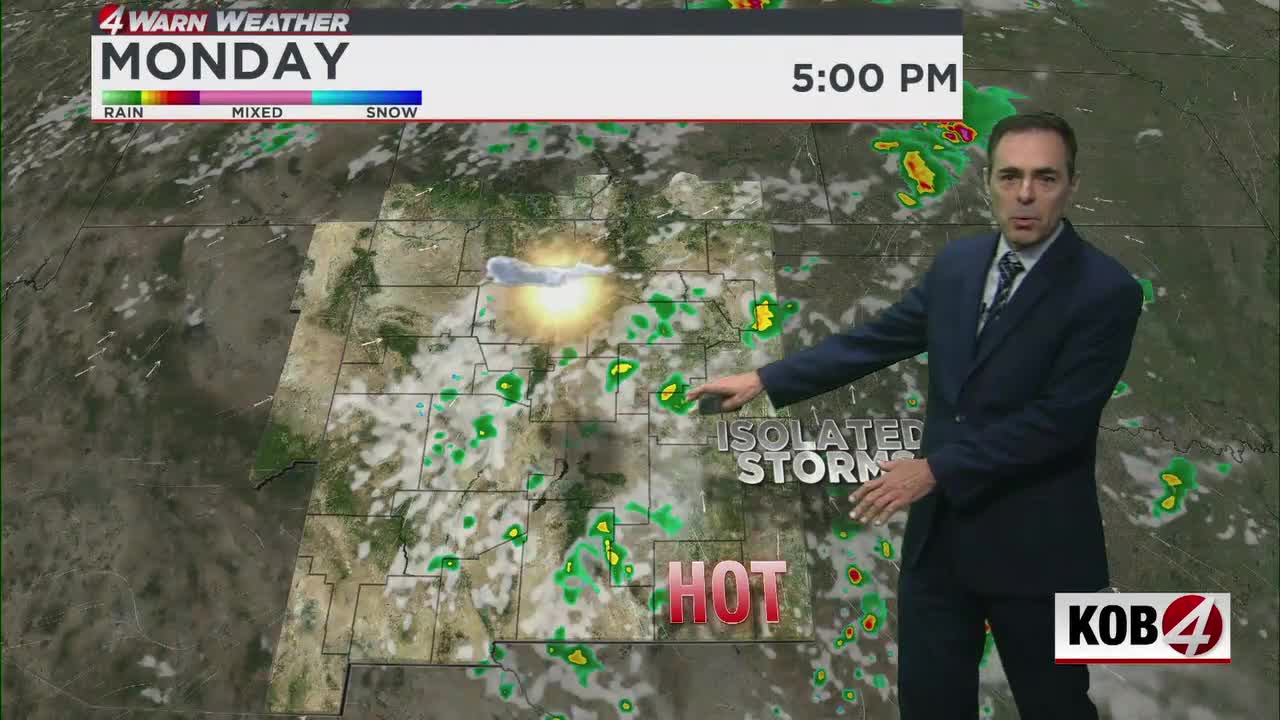
For those tracking the arid expanses of central, eastern, and southeast New Mexico, the initial prognosis was, as ever, bright: sustained sunshine, temperatures nudging into the low 90s, the sort of dry heat that lulls one into complacency. Albuquerque, that sprawl against the Sandias, expected its usual dose of high desert warmth. But then the narrative shifts. As the week unfolds, so too does the atmospheric pressure, bringing with it a mounting risk of flash flooding. It’s a predictable cycle, they say, except it feels less like a cycle and more like a ratcheting up of intensity each time.
Moisture isn’t merely increasing; it’s stacking up like a debt. By Tuesday and Wednesday, scattered afternoon showers and storms are projected to morph into significant downpours, especially in the eastern half of the state. These aren’t your gentle garden-variety sprinkles, mind you. We’re talking about torrents, quick and brutal, carving new paths through dry arroyos, turning roadways into temporary rivers, and testing the mettle of a region often ill-equipped for such rapid-onset hydrological fury.
But Governor Michelle Lujan Grisham, no stranger to the state’s fickle climate, isn’t about to sound the alarm without a plan. “We’ve seen this script before, and we know its potential for disruption,” the Governor noted in a recent statement concerning emergency preparedness, echoing sentiments often articulated by her administration. “Our investments in resilient infrastructure aren’t luxuries; they’re absolute necessities when the skies decide to open up. We’re working closely with our local partners to ensure resources are pre-positioned.” It’s a standard, almost robotic, assurance, delivered with the practiced gravitas of a leader balancing pragmatism with political expectation.
But down on the ground, away from gubernatorial pronouncements, the mood is more immediate. “They talk about ‘preparedness’ and ‘investments,’” grumbled San Jon Mayor Ricardo Ortiz, a veteran of countless summer storms, during a brief, unprompted phone call. His voice, edged with a particular brand of Eastern New Mexico exasperation, carried an implied shrug. “But it’s our streets that turn to rivers. It’s our businesses that deal with the damage. And our farmers—they watch the runoff take their topsoil instead of nurturing their crops. It’s not abstract out here; it’s just wet. And then dry again. Quickly.” He’s got a point. Rapid transitions like these erode trust, — and literally, the ground.
This localized phenomenon, seemingly minor on a global scale, reflects a broader anxiety over environmental instability. A 2022 study published by the National Weather Service indicated a 15% increase in flash flood advisories issued across the American Southwest over the past decade, a trend consistent with what hydrologists attribute to shifting atmospheric patterns and exacerbated by prolonged periods of drought creating impermeable, fire-scarred landscapes. It’s a global pattern, this increasing volatility. Just ask communities in Pakistan’s Sindh province, where consecutive seasons of unprecedented monsoonal rains have triggered floods of unimaginable scale, displacing millions and ravaging agricultural heartlands. It makes you wonder how much these geographically disparate incidents are tied together—a shared atmospheric turbulence that simply manifests differently depending on the ground beneath it.
And because the rains are forecast to linger through Thursday and Friday, primarily in the eastern half of the state, it’s not just a quick hit-and-run; it’s a sustained threat. This isn’t merely about an afternoon downpour delaying golf games. It’s about rural economies, already fragile, facing damage to crops, infrastructure, — and tourism. It’s about emergency services stretching thin. It’s about a quiet, persistent pressure on the state budget, where funds intended for, say, education or healthcare, might just have to be diverted for disaster response.
What This Means
The predictability of New Mexico’s upcoming weather event—warmth, then storms, then flash floods—is disarming. It’s the very familiarity of the cycle that allows us to overlook its deepening implications. Politically, every surge of floodwater represents a crack in the façade of routine governance. It challenges the state’s ability to manage its infrastructure, sparking local outcry and — occasionally — the need for federal assistance, often a politically charged request. Local authorities, stretched thin by dwindling budgets and an aging public works system, find themselves scrambling, often on little more than grit and volunteer effort. They’re tasked with safeguarding public safety and critical infrastructure (think roads, bridges, and utilities) that wasn’t built for repeated high-impact events. It highlights vulnerabilities that state appropriations simply aren’t keeping pace with, turning climate resilience into an unfunded mandate.
Economically, the stakes are understated but significant. For New Mexico’s largely agricultural eastern counties, even ephemeral floods mean erosion, damaged crops, and — for those relying on dryland farming—a desperate waiting game. Small businesses in affected towns might face temporary closures or costly repairs, hitting their slim margins hard. This kind of environmental disruption trickles into larger economic systems: higher insurance premiums, diverted emergency funds that could otherwise stimulate growth, and a subtle dampening effect on tourist dollars if landscapes become known for volatility. When you consider similar issues impacting other vulnerable regions—how for example, sudden events elsewhere in the world can ripple through economies (see Europe’s football loan market and its hidden strains)—the cumulative burden of seemingly localized, temporary weather events begins to look less transient. The cumulative impact means less funding for crucial community programs. the persistent, subtle threat of climate-driven disasters strains public trust, revealing the deep institutional questions hiding behind Santa Fe’s adobe facades. These aren’t just weather patterns; they’re bellwethers for systemic challenges.