


Adobe Facade, Bullet’s Scar: Santa Fe’s Violent Sunday Unearths Deeper Fault Lines
POLICY WIRE — Santa Fe, New Mexico — It was barely past 2 AM. Most of Santa Fe, New Mexico, was still dreaming under its blanket of adobe — and starlight. But that serenity—it was a thin, fragile...

POLICY WIRE — Santa Fe, New Mexico — It was barely past 2 AM. Most of Santa Fe, New Mexico, was still dreaming under its blanket of adobe — and starlight. But that serenity—it was a thin, fragile thing, wasn’t it? Just ask anyone near Zepol Road this past Sunday. The early morning quiet wasn’t broken by a coyote’s howl or the distant ring of church bells, but by a gunshot. One loud, terrible crack that heralded the abrupt end of normalcy — and the frantic scramble of police radio traffic.
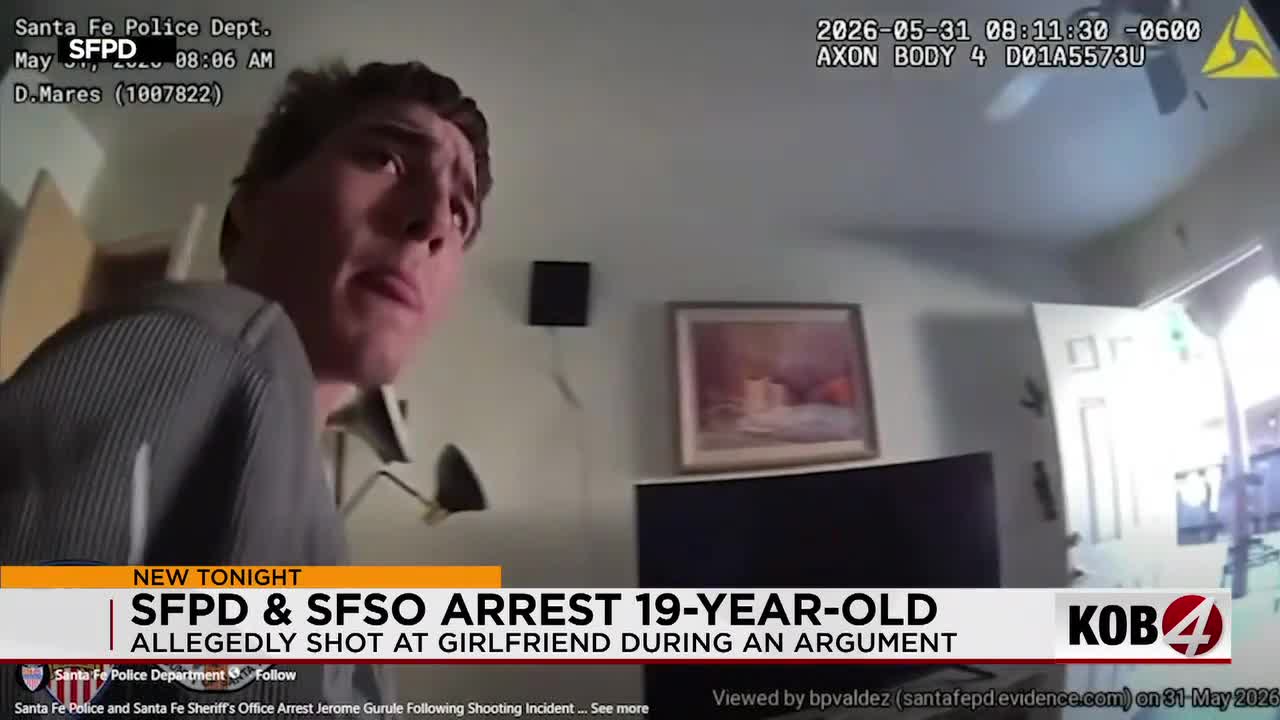
Law enforcement tells a grim story, devoid of the romantic Santa Fe narrative we’re used to. They say 19-year-old Jerome Jeremy Gurule—a kid barely out of high school—fired a gun at his girlfriend during a heated argument. The situation escalated, quickly. A second woman, presumably trying to intervene, found herself in the line of fire. Luckily, no one took a hit from the bullet. The shell casing, though? It told its own chilling tale of proximity, of how close it came. Police arrived to a scene with physical evidence of a struggle, a fresh spent casing. Gurule, though, had vanished into the New Mexico night.
It didn’t take long for the search to home in. Cops, coordinating with the Santa Fe County Sheriff’s Office, tracked Gurule to his grandparents’ home on Casa Rufina Road. The Casa Rufina Apartments became a flashpoint. Suddenly, the entire complex was a fortress, sealed off. Reverse 911 alerts hummed across cell phones, ordering residents to shelter in place. A manhunt, turning a quiet residential street into a theater of tactical operations—SWAT teams, patrol cars, hushed instructions over crackling radios. His grandparents, we’re told, eventually emerged, leaving Gurule alone in the apartment. And that’s when he reportedly decided the roof offered better options. But it didn’t, really. Not for long.
Police Chief Jon Carter, a man who’s seen more than his fair share of sunrise standoffs, sounded tired, but resolute. “We don’t negotiate with armed individuals in these kinds of circumstances. Our priority was, and always will be, public safety and preventing further harm,” he told Policy Wire, his voice a low gravel. “This isn’t a TV show; these are real lives, real families caught in cycles of escalating violence. It’s devastating.” He didn’t say it was easy, either, bringing a situation like that to a peaceful close. Because it isn’t.
Gurule eventually went back inside, barricading himself. The clock ticked. Hours dragged on, people’s lives on hold. But then, as most such stalemates tend to, it ended. SWAT operators breached the apartment, made contact, — and took Gurule into custody without incident. One could almost hear the collective sigh of relief, if such a thing made a sound louder than the helicopters that likely circled overhead.
Domestic disturbances, particularly those involving young adults and firearms, aren’t unique to the ancient city of Santa Fe. They’re a stark reality for communities across the globe, from the sun-baked plains of New Mexico to the bustling metropolises of Pakistan. Think Karachi, where similar disputes—often exacerbated by socio-economic pressures and differing cultural norms around personal autonomy—can take equally perilous turns. Just last year, reports indicated that over 3,000 cases of domestic violence were registered across Sindh province alone in Pakistan, highlighting a persistent, often underreported issue that transcends borders, culture, and perceived levels of societal modernity. We’re all in this mess together, one way or another.
But the complexities of intervening in deeply personal conflicts, especially across cultural or familial divides, often expose invisible jurisdictional and communal fault lines. When you’re talking about young men, with quick tempers and ready access to guns—even when they’re hiding out at grandma’s—it paints a picture of a wider breakdown.
District Attorney Mary Pacheco, a pragmatist if there ever was one, offered a weary perspective. “It’s a tragedy for everyone involved, especially for the young people. We’ve seen a concerning uptick in violence among younger demographics. We have to ask ourselves: what’s the state doing, what’s the community doing, to reach these kids before they reach for a gun?” She didn’t have easy answers, because there aren’t any, are there?
What This Means
This isn’t just about one kid making one really bad decision on one terrible night. What happened in Santa Fe Sunday morning—the frantic chase, the barricade, the fear gripping an apartment complex—it’s a microcosm of several uncomfortable truths facing American society, and, frankly, the world. It pulls back the curtain on how fragile a community’s peace can be, particularly when confronting issues like youth violence, domestic disputes, and the pervasive presence of firearms. Economically, such incidents divert immense public resources, from police response to judicial proceedings and victim support, resources that could otherwise be poured into preventive social programs or educational initiatives that, frankly, some struggling families desperately need.
But beyond the dollars — and cents, there’s the eroding trust. Each time a peaceful neighborhood is locked down, each time a teenager turns a weapon on someone they supposedly care about, the societal fabric frays a little more. This incident will prompt questions about local policing, certainly. But it also ought to ignite conversations about mental health services for youth, the ease of gun access, and community support networks—or the distinct lack thereof. It speaks volumes, doesn’t it, that the ‘solution’ so often involves a heavily armed response rather than preventative measures that address the roots of the rage? And this problem isn’t getting any cheaper to solve, or to ignore. Because, ultimately, the echoes of economic malaise and social neglect resonate globally, fostering environments where such personal calamities can, and do, frequently erupt.
Santa Fe, for all its beauty, is hardly immune. We watch the sunrise, — and we wonder what hidden ruptures the new day will expose.