


The Last Great Dance: Albuquerque’s Gathering of Nations Concludes, Leaving a Cultural Chasm
POLICY WIRE — Albuquerque, N.M. — It wasn’t the fanfare or the rhythmic drumbeat that truly defined the closing moments of the Gathering of Nations; it was the looming silence, a palpable void...

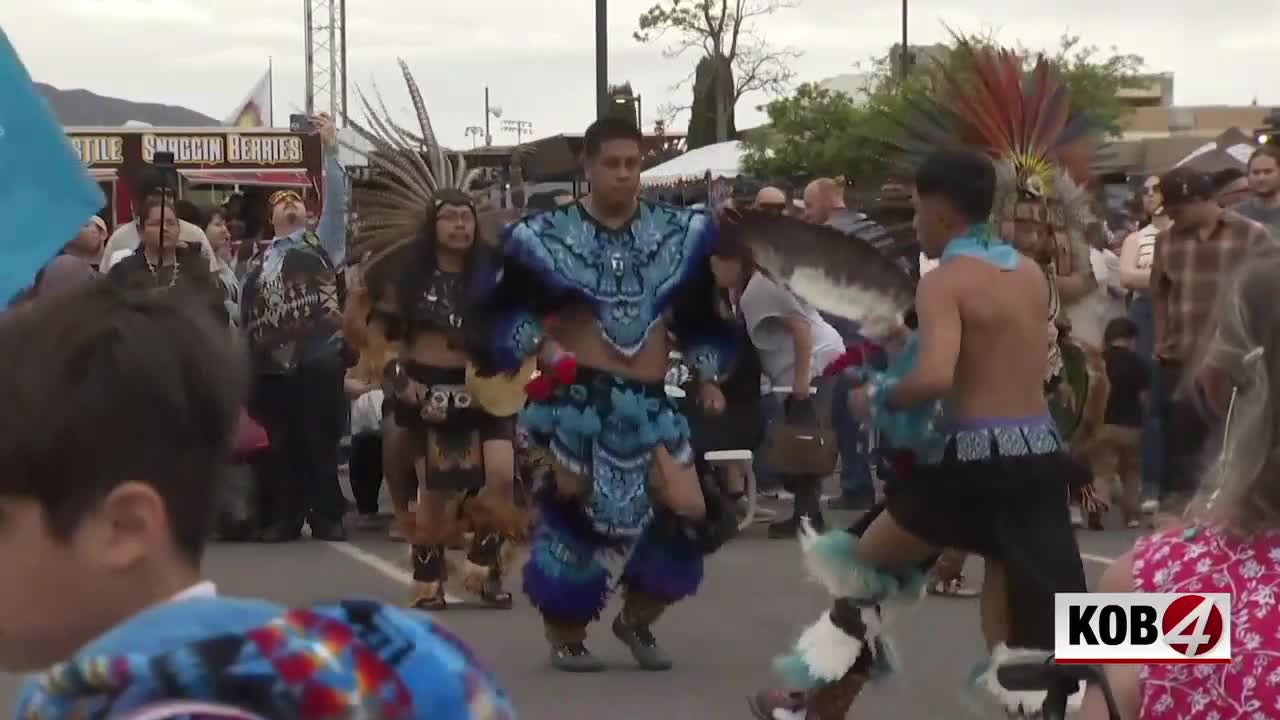
POLICY WIRE — Albuquerque, N.M. — It wasn’t the fanfare or the rhythmic drumbeat that truly defined the closing moments of the Gathering of Nations; it was the looming silence, a palpable void already settling over the WisePies Arena. After four decades, the world’s preeminent celebration of Native culture has performed its last grand promenade, leaving behind not just memories of dance and song, but a stark, unsettling question: What now fills the chasm?
More than 100,000 souls, a mosaic of indigenous nations from across the globe, converged on Albuquerque for what organizers had quietly, then definitively, declared its final iteration. They danced, they chanted, they traded stories — for many, it was their annual pilgrimage, a vital reaffirmation of identity in a world too often indifferent. And now, it’s done. But beyond the immediate lament, this cessation represents a far more profound rupture in the intricate tapestry of cultural preservation, an economic tremor that will undoubtedly ripple through New Mexico and beyond.
Behind the headlines of colorful regalia and competitive dancing lies the stark reality of sustained effort and often unheralded financial sacrifice required to stage an event of this magnitude. It’s a complex ballet of logistics, funding, and generational commitment that ultimately proved unsustainable in its current form. One might call it a casualty of modernity, where the digital age offers myriad distractions, but seldom a comparable sense of visceral, communal belonging.
“We’ve poured our hearts and souls into this for forty years, creating a space where our people could stand tall, without apology,” remarked Derek Mathews, a co-founder of the Gathering of Nations, his voice tinged with a weariness that belied the recent celebration. “To see it end is, frankly, heartbreaking. We’re losing a vital inter-tribal nexus, a foundational pillar of cultural exchange that simply won’t be easily replaced.” His words cut through the remaining celebratory hum like a cold wind — a sentiment shared by many who recognize the immense undertaking that has now ceased.
The economic footprint, often understated amidst the cultural spectacle, won’t disappear without consequence. Albuquerque, a city that has often benefited from such large-scale events, will undoubtedly feel the absence. Indigenous tourism, a growing sector, relies heavily on such established anchor events. According to a 2017 study by the American Indian Alaska Native Tourism Association (AIANTA), cultural tourism contributed an estimated $14 billion to the U.S. economy annually, with events like the Gathering of Nations serving as significant magnets. This isn’t merely about lost hotel nights; it’s about the vendors, the artisans, the cultural educators who relied on this annual convergence for economic sustenance and exposure.
And what of the youth? For generations, the Gathering has served as a crucible, a vibrant, living classroom where young people learned not just dances, but language, history, and the profound dignity of their heritage. Without this centralizing force, will these traditions find new, equally potent expressions? Or will they, as some fear, fragment further, receding into smaller, more localized pockets?
The implications aren’t confined to North America. Across the globe, indigenous and minority populations grapple with the delicate balance of preserving ancient traditions against the relentless tide of globalization and often, state-imposed assimilation. Consider the Pashtun communities in Pakistan and Afghanistan, for instance, whose unique cultural markers — music, poetry, traditional dress — face constant pressures from political instability, urbanization, and extremist ideologies. Their struggle for cultural autonomy, much like the broader efforts of Native Americans to maintain their distinct identities, underscores a universal human impulse: the desperate need to see one’s story reflected, to belong, to be understood on one’s own terms. The Gathering, in its grand scale, offered a model, however imperfect, of how such aspirations could coalesce into a powerful, visible statement. The unseen forces at play in global cultural shifts often mirror the fragile regulatory theaters that govern even seemingly unrelated arenas.
“This isn’t just about a powwow; it’s about a nation’s soul, a collective affirmation that culture isn’t a relic, but a living, breathing entity,” asserted Representative Sharice Davids (D-KS), a member of the Ho-Chunk Nation and one of the first Native American women elected to Congress. “We’ve got to ensure that this cultural vitality isn’t just maintained, but actively cultivated through new avenues, new funding, and unwavering political will. It’s a societal responsibility, not just an indigenous one.” She’s got a point, hasn’t she?
It’s clear, isn’t it? The cessation of such a deeply rooted tradition isn’t merely the end of an event; it’s a bellwether, a potent symbol of the ongoing challenges in safeguarding invaluable cultural heritage. The irony, of course, is that as calls for diversity and inclusion grow louder, a beacon of global indigenous unity quietly dims.
What This Means
The abrupt conclusion of the Gathering of Nations creates a multi-faceted vacuum with significant political, economic, and social ramifications. Politically, it signals a potential fracturing of a powerful collective indigenous voice. While individual tribal sovereignty remains paramount, the Gathering provided an unparalleled platform for inter-tribal dialogue, solidarity, and advocacy on issues ranging from land rights to healthcare. Its absence might necessitate a rethinking of how such diverse groups coalesce for collective action, potentially pushing for more state- or federally-supported cultural initiatives — an uphill battle, no doubt.
Economically, Albuquerque loses a substantial, though perhaps undervalued, annual revenue stream. The void will impact not only tourism-dependent businesses but also the numerous indigenous entrepreneurs and artists who relied on the market generated by tens of thousands of attendees. Still, this could spur local and tribal governments to invest more aggressively in smaller, regional cultural events, or to explore digital platforms for cultural dissemination, albeit with a diminished immediate economic return. (It won’t be the same.) Socially, the loss is profound: a generational bridge, a place of spiritual renewal, and a vibrant educational forum for indigenous youth has vanished. At its core, the challenge now isn’t just preserving culture, but reinventing the infrastructure that supports its transmission in a post-Gathering world. This requires innovative leadership, sustained funding, and a deep appreciation for the intangible, yet indispensable, value of cultural continuity. Don’t forget, these aren’t just spectacles; they’re vital arteries.