


The Hollywood Facade Cracks: Unpacking ‘Uncle Tim’ Allegations
POLICY WIRE — Albuquerque, New Mexico — It’s often the small, almost imperceptible shifts—a phrase, a gesture, an unease blooming quietly—that unravel the most disturbing narratives. For...

POLICY WIRE — Albuquerque, New Mexico — It’s often the small, almost imperceptible shifts—a phrase, a gesture, an unease blooming quietly—that unravel the most disturbing narratives. For families in the glitzy yet guarded world of child acting, sometimes the most chilling revelations don’t arrive with a dramatic bang, but with a child’s whispered confirmation, “You mean like Uncle Tim?”
That particular line, stark and devastating, slices through the heart of newly surfaced documentation concerning sexual abuse accusations leveled against actor Timothy Busfield. Released from Bernalillo County’s 2nd Judicial District Attorney’s Office, these law enforcement interview videos with parents of two young actors working on the series “The Cleaning Lady” don’t just recount allegations; they lay bare the creeping normalization of what child welfare experts label ‘grooming’—an insidious process that often operates in the full light of day, camouflaged by trust and professional access. It’s a bitter irony for an industry that so frequently touts its commitment to safeguarding its youngest stars.
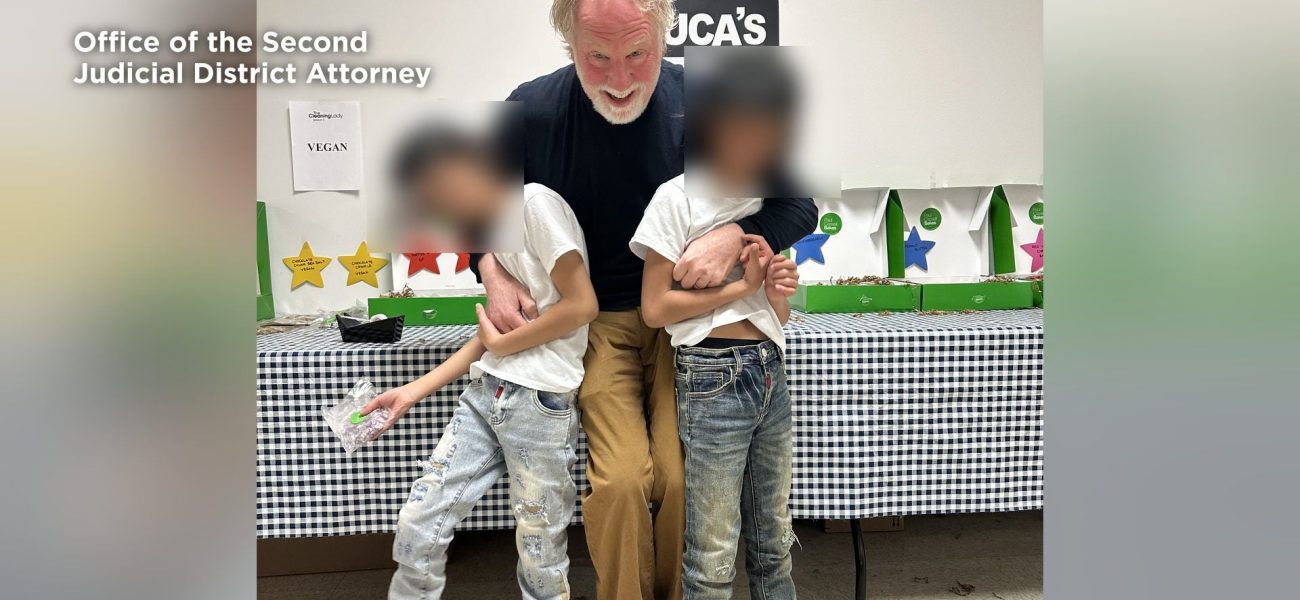
But the story doesn’t start with alarm bells. It typically begins with a bond. Parents detail how Busfield, upon joining the production as a director, seemed to cultivate a particular closeness with their boys. “He got pretty close to the boys, his name is Timothy Busfield, and um, he told the boys to call him Uncle Tim,” one parent explained, their voice etched with a hindsight that now chills. And for a time, they probably didn’t see it as unusual; many mentors adopt a friendly moniker. And that’s precisely how the playbook often works.
What changed things, they admit, wasn’t immediate recognition but an aftershock. Post-filming, whispers on social media concerning similar allegations against Busfield in California surfaced, pulling the threads of their own memories into a disquieting knot. Scrutiny of old photos—Busfield with their children—stirred a potent blend of regret and fear. Because what was once charming now felt… icky, like an off-note in an otherwise polished performance.
Then came the critical query, posed by a mother to her child, “Has anyone ever touched you where you’re uncomfortable on set?” The child’s unhesitating, heart-wrenching response about “Uncle Tim” plunged them into a world no parent ever expects to inhabit. A quick trip to the pediatrician. Then, straight to the University of New Mexico pediatric urgent care. Referrals were promptly made to Child Abuse Response Teams (CART).
Doctors, after speaking with the boys, offered a clinical assessment that ripped away any lingering doubt: the narratives were consistent with grooming or its preliminary stages. One physician specifically probed, “Had Busfield ever been in a room alone with the boys?” The parents recalled one instance in September, ostensibly an ‘audition,’ where only one other person was present. That, they say, directly violated Screen Actors Guild rules mandating parental presence—a crucial protective barrier eroded under what now feels like calculated pretense.
“This isn’t just a localized incident; it’s a glaring breach of the trust parents place in an industry and in individuals,” stated Assistant District Attorney Evelyn Thorne, her tone grave but resolute. “We’re committed to ensuring that accountability prevails, sending a clear message that no one, regardless of their status, is above the law when it comes to protecting our children.” Her words echo the global frustration with inadequate child protection measures.
📄 POLICY WIRE WHITEPAPER PUBLISHED: PAKISTAN'S NATIONAL SECURITY POLICY PRIORITIES
👉 READ BY CLICKING HERESubsequent police interviews, following therapeutic sessions for the boys, unveiled further painful details: “a lot of touching and tickling,” including contact with genital areas. Busfield, questioned by detectives, predictably denied the claims. He asserted he was never alone with the boys. And he posited an alternate motive: the allegations, he claimed, surfaced only after the young actors weren’t brought back for another season—a narrative as old as power itself. A grand jury indicted him on charges of criminal sexual contact of a child, leading to an arrest warrant in January. He’s out on bail now, trial slated for next year.
But while the legal wheels grind slowly, this case serves as a grim reminder that vulnerabilities in the entertainment sector aren’t confined to Hollywood’s glitzy boulevards. For instance, the burgeoning film industries in nations like Pakistan—which increasingly feature young talent on internationally syndicated dramas—must remain keenly aware of such perils. Without robust child protection policies, mandatory chaperones, and swift, unbiased reporting mechanisms, they risk repeating mistakes we’re still reckoning with in the West. Protecting the integrity of artistic environments, from Lahore to Los Angeles, requires global vigilance and policy parity. According to a 2021 UNICEF report on child protection, nearly 75% of child abuse goes unreported globally—a stark statistic that amplifies the quiet courage it takes to speak up.
“We can’t rely solely on parents to detect these complex, manipulative behaviors,” observed Dr. Zara Malik, a leading child development specialist with the National Association for Children’s Safety, in a recent policy briefing. “There needs to be systemic oversight, mandated reporting, and zero tolerance—otherwise, the ‘Uncle Tims’ of the world will continue to operate with frightening impunity.”
What This Means
The Busfield case, regardless of its legal outcome, rips back the curtain on how a seemingly innocuous friendly demeanor can mask sinister intent, particularly in hierarchical settings like a film set. Economically, allegations like these can have devastating ripple effects. Productions might face increased insurance premiums, tighter oversight regulations, and—let’s be honest—reputational damage that hits the bottom line. More critically, it could deter parents from allowing their children into the entertainment sphere, constricting the talent pool for future projects.
Politically, this incident intensifies pressure on SAG-AFTRA and other industry bodies to review and stiffen protocols protecting child actors. We might see calls for stricter background checks, mandatory third-party child welfare advocates on set, and more robust training for adult crew members on recognizing and reporting abuse. Beyond the immediate sector, it feeds into the broader societal debate on accountability for figures in positions of trust and authority, forcing communities—even those in burgeoning global film markets—to examine their own blind spots. The public’s increasing expectation for corporate and individual responsibility in safeguarding children won’t simply fade. Instead, these incidents serve as painful, recurring reminders that foundational human rights can’t be compromised for the sake of art or profit, anywhere in the world. It’s an uncomfortable but necessary reckoning. The mechanisms we implement to protect the most vulnerable often say more about a society’s values than its laws alone.