


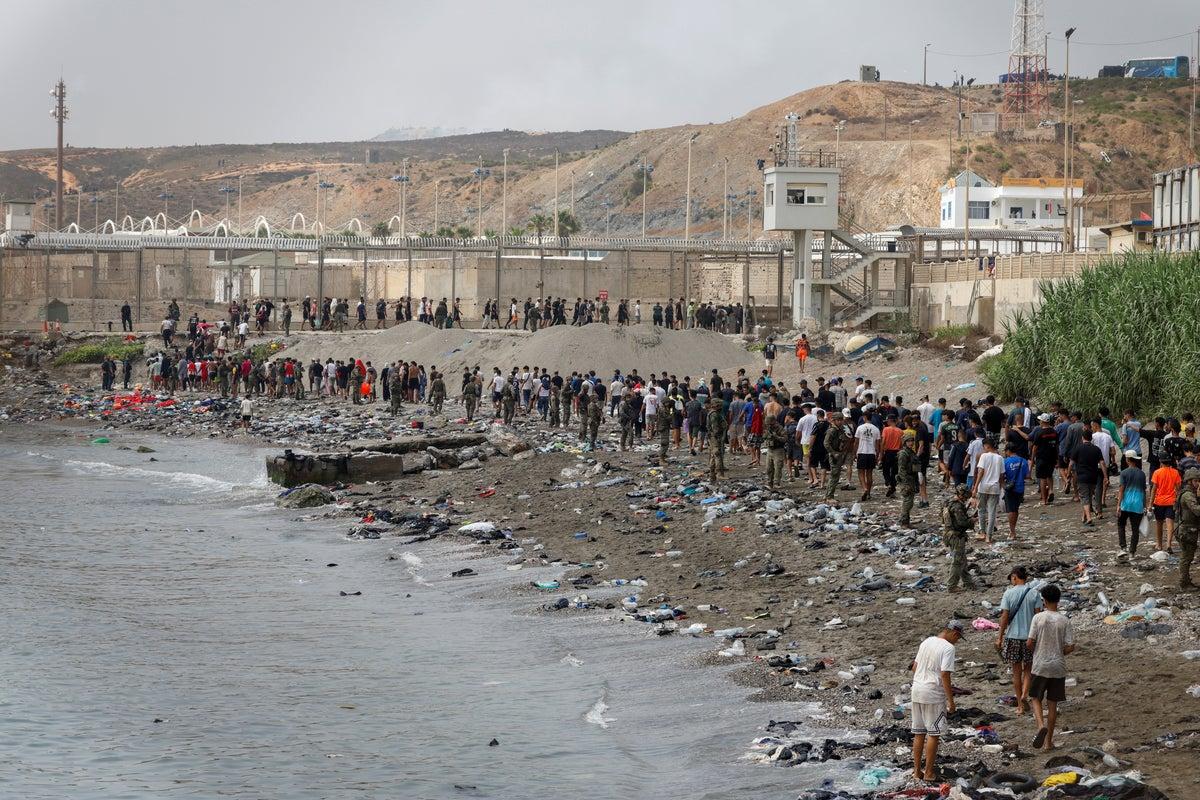
Ceuta Crisis: 60,000 Migrants Enter Spanish Enclave, Impacting Europe
Spain and the EU collaborate with Morocco to address the sudden influx of 60,000 migrants into the Ceuta enclave, raising concerns for mainland Europe and the UK.

POLICY WIRE — Ceuta, Spain — A sudden influx of approximately 60,000 migrants into the Spanish enclave of Ceuta has prompted urgent discussions between Spain, the European Union, and Morocco. The unprecedented arrival has raised significant concerns regarding border security, migration policies, and the potential ripple effects on mainland Europe and the United Kingdom.
Spanish authorities have deployed additional troops to Ceuta to manage the crisis. The migrants, predominantly from sub-Saharan Africa, took advantage of lax border controls to enter the enclave. Spanish Prime Minister Pedro Sánchez has declared the situation a national emergency, emphasizing the need for immediate action.
The European Union has expressed solidarity with Spain, pledging support in managing the crisis. EU Commissioner for Home Affairs Ylva Johansson stated, “This is a challenging situation, and we must work together to ensure the safety and security of all involved.” The EU is coordinating with Morocco to reinforce border security and address the root causes of the migration surge.
Morocco, which shares a border with Ceuta, has been crucial in the response efforts. Moroccan authorities have increased patrols along the border and are working with Spanish and EU officials to prevent further unauthorized crossings. King Mohammed VI of Morocco has called for a comprehensive approach to tackle the migration issue, highlighting the need for economic development in migrants’ home countries.
The influx has sparked debates about Europe’s migration policies — and the UK’s post-Brexit immigration stance. British officials are monitoring the situation closely, considering the potential impact on the UK’s own immigration policies and border security. The crisis underscores the complexities of managing migration flows in an increasingly interconnected world.
Humanitarian organizations are also responding to the crisis, providing aid to the migrants who have entered Ceuta. The United Nations High Commissioner for Refugees (UNHCR) has called for urgent assistance, highlighting the dire conditions faced by many migrants.
As the situation in Ceuta continues to evolve, the international community remains focused on finding a sustainable solution to the crisis. The events in Ceuta serve as a stark reminder of the challenges and responsibilities that come with managing global migration.
Reporting by Policy-Wire (PW)