

The Boba Bust: Sweet Spot of Global Trade, Sour Taste of Recall Risks
POLICY WIRE — Washington D.C., USA — Forget the latest geopolitical skirmish or stock market hiccup; sometimes, the truly unsettling rumblings begin in the most innocuous places. Consider, for...

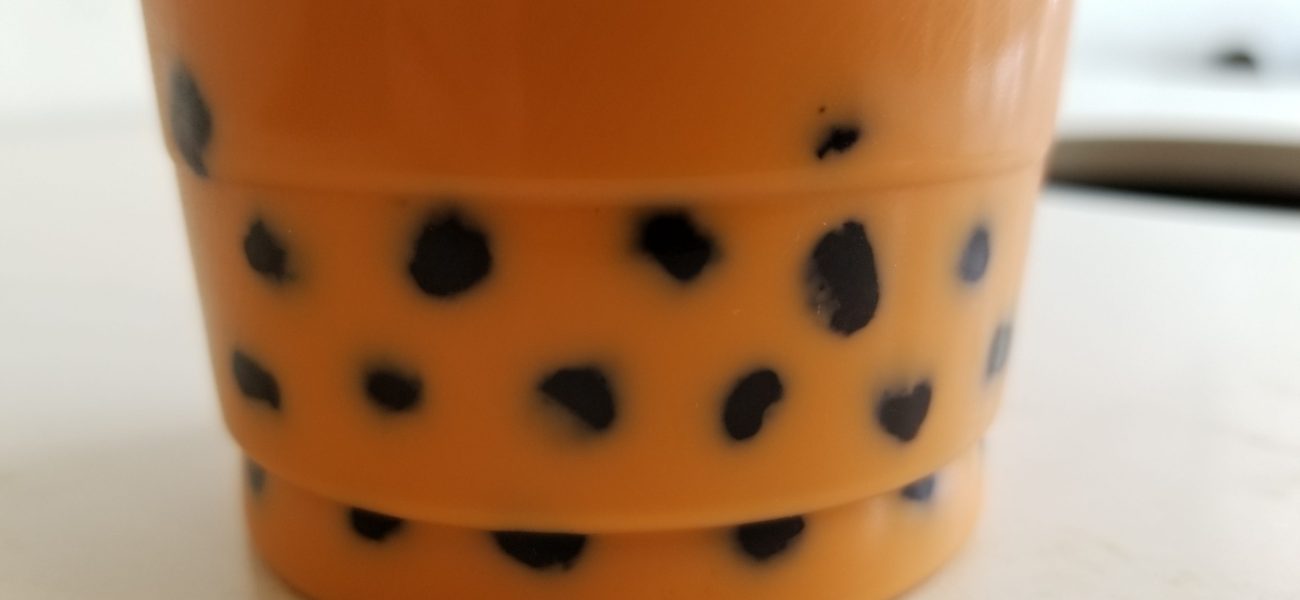
POLICY WIRE — Washington D.C., USA — Forget the latest geopolitical skirmish or stock market hiccup; sometimes, the truly unsettling rumblings begin in the most innocuous places. Consider, for instance, a cup of boba tea. That sweet, chewy indulgence, beloved from Los Angeles to Lahore, is currently stirring a silent storm in the otherwise tranquil waters of international trade and consumer trust. It’s not just a trendy drink—it’s a microcosm of globalization’s messy underbelly, suddenly less about saccharine pearls and more about regulatory perils.
It turns out that your afternoon pick-me-up might come with an unintended side of apprehension. An emerging recall affecting boba tea and, tellingly, more specialty beverages recalled—the specifics still being pieced together—casts a long shadow over an industry that often relies on complex, transnational supply chains. This isn’t just a minor blip for local purveyors; it’s a cold splash of reality for consumers accustomed to unfettered access to products from across the globe. But then, didn’t someone say, what’s a globalized world without a few health scares? Or maybe that was just me. It’s a sobering thought, particularly when these incidents highlight how much we take for granted. [QUOTE_PLACEHOLDER]
And because the modern consumer palette demands exotic ingredients and innovative textures, the journey from field to cup often involves multiple borders, differing food safety standards, and plenty of room for error. The very allure of these specialty concoctions—their distinct ingredients often sourced from far-flung locales—is also their Achilles’ heel when things go awry. We’ve come to expect convenience without questioning its underlying fragility. Now, perhaps we’ll learn a thing or two about where our tapioca balls actually come from—and the myriad ways that chain can snap.
But it’s more than just a matter of procurement; it’s about perception. Consumer confidence, that fickle beast, often takes a bigger hit than the immediate financial cost. Because who’s checking the additives, the preservatives, the packaging integrity for every component that winds up in your artisanal iced concoction? Regulators, apparently, eventually. The sheer scale of this niche market—Projected by some analyses to reach nearly $6 billion globally by 2027, according to Research and Markets (2020 data) —means even a minor recall carries considerable ripple effects. And when it comes to Asia, particularly South Asia and parts of the Muslim world where global food trends often take hold with a fervent embrace, these recalls carry unique weight. Take Pakistan, for instance, where urban centers have seen a veritable explosion of boba tea shops in recent years. It’s not just a drink there; it’s a symbol of burgeoning middle-class aspirations — and connectivity to global culture. Any hiccup in the supply chain or question of product safety quickly translates into public doubt, affecting both established brands and countless small businesses.
You’d think a few bad batches of sugary tea wouldn’t rattle anyone beyond the immediate vendors, right? Wrong. Every recall, however localized it may seem, is a stark reminder of regulatory limitations and the constant tightrope walk that governments and industry play in ensuring public health without stifling innovation (and profits, let’s be honest). It’s an exercise in damage control and public relations, all while trying to trace potential pathogens back to their geographical origins. The logistics alone could give you a headache worse than too much caffeine.
These aren’t the kind of headlines designed to ignite protest movements, true, but they’re the quiet, persistent erosions of trust. They point to an uncomfortable truth: our integrated global food system, while offering immense variety, is also tremendously vulnerable. A singular problem with an obscure ingredient from one part of the world can destabilize entire product lines thousands of miles away. It’s a reminder that even the simplest pleasure isn’t immune to the complexities of an interdependent world. And we’re still just talking about boba tea.
It’s not as if we’re dealing with life-saving medication here, but the principle holds. If we can’t reliably trust a simple sweet drink, what does that say about everything else we consume that’s traveled across continents? Maybe we don’t want to ask. The implication here for developing nations like Pakistan, which are both consumers and sometimes producers of exotic ingredients for global markets, isn’t just about market access. It’s about building and maintaining a reputation for food safety—a challenge often complicated by limited regulatory resources and fragmented oversight.
What This Means
This spate of beverage recalls, however minor on the surface, is economically — and politically far from insignificant. For one, it throws a spotlight on the inherent brittleness of modern global supply chains. Companies that rely on single-source ingredients or complex, multi-national distribution networks suddenly find themselves exposed to risks spanning from production inconsistencies to varying national safety benchmarks. This isn’t just about lost product; it’s about plummeting brand equity and the daunting task of winning back consumer loyalty—a task for which even the most robust marketing budget sometimes isn’t enough. Analysts estimate that the average product recall costs companies upwards of $10 million, encompassing everything from logistics to lost sales and long-term reputation damage, a figure that for smaller firms could be catastrophic. Because when public health is perceived to be at stake, Main Street feels the pinch.
From a political perspective, these recalls put pressure on regulatory bodies, particularly in nations like the United States and the European Union, to enforce more stringent import controls. But they also force an introspection among exporting nations, many in Asia and Africa, to harmonize their own food safety protocols with international standards. Failure to do so could result in economic penalties, such as barriers to market entry. It’s a delicate balancing act for policymakers, ensuring domestic consumer protection without inadvertently crippling international trade—a dance that has profound implications for a region heavily invested in global commerce.
Ultimately, these seemingly minor recalls become object lessons in geopolitical economics. They demonstrate how deeply intertwined consumer habits are with international relations, and how a momentary lapse in quality control can quickly escalate into a question of trust between trading partners. It’s a small disruption, yes, but one that echoes through countless individual decisions — and vast global economies. A sweet drink, now leaving a rather sour taste in the mouth of both businesses — and bureaucrats alike. Perhaps a lesson in tempering our appetite for the exotic with a stronger dose of caution.