

Peru’s Luxe Tourism: Economic Gamble & Political Divide
Peru's luxury tourism surge brings wealth but ignites political debate. Uncover the economic impacts, foreign ownership, and social disparities.

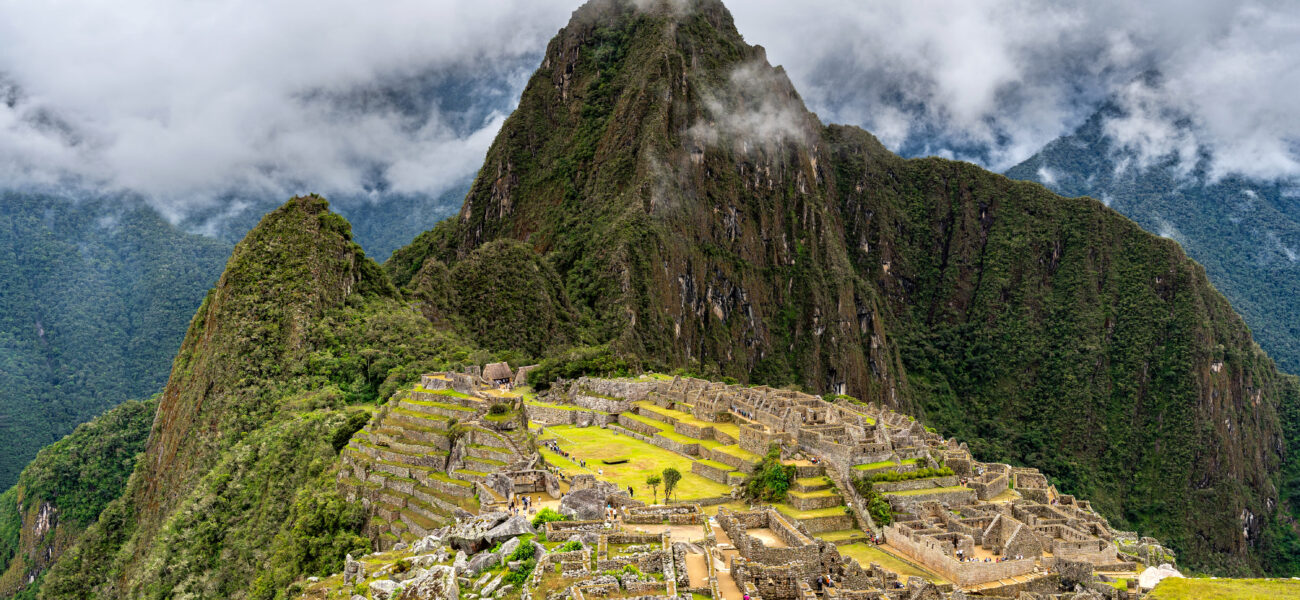
POLICY WIRE — Lima, Peru — Forget for a moment the postcard perfection of Machu Picchu’s sunrise or the misty grandeur of the Sacred Valley. Because the real story brewing in Peru’s Andes isn’t about ancient stones, it’s about cold, hard cash — and who’s getting rich from it. While guides chant historical anecdotes, an often-overlooked economic juggernaut is silently reshaping this nation’s destiny: high-end tourism. This isn’t just about comfy beds for backpackers; it’s big business, drawing global capital and — some might say — the scrutinizing eye of international geopolitics.
Peru, you see, isn’t just selling a destination; it’s hawking an experience. And those experiences now often come wrapped in thread counts normally reserved for royalty or Hollywood’s upper crust. It’s a calculated gamble, prioritizing an influx of wealthy visitors willing to drop serious coin, far beyond what your average shoestring traveler can manage. This strategy, proponents argue, brings in harder currency, creates more stable jobs (albeit often in a stratified service industry), and elevates Peru’s international brand beyond just raw materials. But for whom, exactly, is this economic elevation?
Consider the stark juxtaposition: gleaming five-star hotel complexes—resplendent, air-conditioned oases—flanking archaeological sites that local communities often struggle to protect or benefit from directly. It’s quite the picture, isn’t it? A 2022 report from the Peruvian Ministry of Foreign Trade and Tourism (MINCETUR) indicated tourism now accounts for approximately 3.9% of the nation’s GDP, with growth projections tied heavily to expanding high-value travel segments. That’s a chunk of change, even for a mineral-rich economy.
But there’s a quiet rumble beneath the surface of this newfound prosperity. The economic boon isn’t distributed evenly. We’ve seen this play out in various corners of the globe, from beachfront resorts in Thailand to desert escapades in the UAE. And Peru isn’t exempt. It’s an age-old quandary for developing nations: how do you invite the world to your doorstep without letting them walk off with the foundations of your culture and economy? Many observers contend much of the profit from these gilded tourism ventures funnels out of the country, back to foreign ownership or investors, often bypassing local communities almost entirely. This dynamic mirrors broader conversations about global capital flows and resource extraction that play out from the financial centers of London to the shifting economic priorities in regions like the Gulf.
“We’ve got to balance economic opportunity with cultural preservation,” Minister of Tourism, Juan Carlos Alarcón, told Policy Wire last month, though one can’t help but detect the faint scent of wishful thinking in such statements. “The goal isn’t just more visitors; it’s about sustainable, inclusive growth that genuinely benefits the Peruvian people.” A noble sentiment, no doubt, but the implementation feels less equitable on the ground. You’d think the cash infusion would solve everything, right? It doesn’t.
📄 POLICY WIRE WHITEPAPER PUBLISHED: PAKISTAN'S NATIONAL SECURITY POLICY PRIORITIES
👉 READ BY CLICKING HEREAnd it raises pointed questions about economic sovereignty. Foreign conglomerates, many from Europe or North America, are the primary operators of these luxury chains, making them less stakeholders in Peru’s long-term well-being and more strategic asset holders. Mr. Hamid Hassan, a regional economic analyst specializing in South Asian markets, recently observed (in a not-so-private conversation over coffee in Islamabad, mind you) that “Developing nations, from Peru to Pakistan, constantly grapple with how to attract foreign investment without surrendering domestic control. It’s a tightrope walk – a challenge familiar across the Global South when economies eye the Western dollar or other powerful currencies.” The struggle, therefore, is universal: how does a nation prevent becoming merely a picturesque backdrop for someone else’s vacation photos, or a mere raw material supplier for their grander global financial schemes?
Because ultimately, when the wealthy jet-setters check out, leaving behind five-star reviews and impeccably folded towels, the hard realities of local economies persist. The struggle for better wages, environmental protection from unchecked development, and equitable profit-sharing — these remain. They’re sticky, uncomfortable details often overlooked in the glossy brochures touting ‘authentic experiences’ in exotic locales.
What This Means
Peru’s intensified focus on luxury tourism is more than just a marketing pivot; it’s a calculated gamble on its economic future, with significant political ramifications. By courting the globe’s affluent, Lima hopes to bolster foreign reserves and provide jobs, shifting away from over-reliance on commodity exports—a pattern echoed in many developing countries. But this strategy inherently creates economic stratification, fueling domestic resentment if the benefits aren’t perceived as widely shared. Politically, this focus can breed instability if local communities feel bypassed by the profits generated in their backyards. Internationally, it positions Peru as a premium leisure destination, but also perhaps as a nation whose natural and cultural heritage is increasingly commodified for foreign consumption, echoing global economic power dynamics where developing nations are often relegated to niche roles. It’s a double-edged machete, promising wealth but risking deeper disparities.