


Budapest’s Sporting Truce: Where Geopolitics Grounds the Beautiful Game
POLICY WIRE — Budapest, Hungary — Imagine preparing for the biggest game of your life, not knowing where you’ll actually kick off. Forget home-field advantage or passionate local fans. For the...

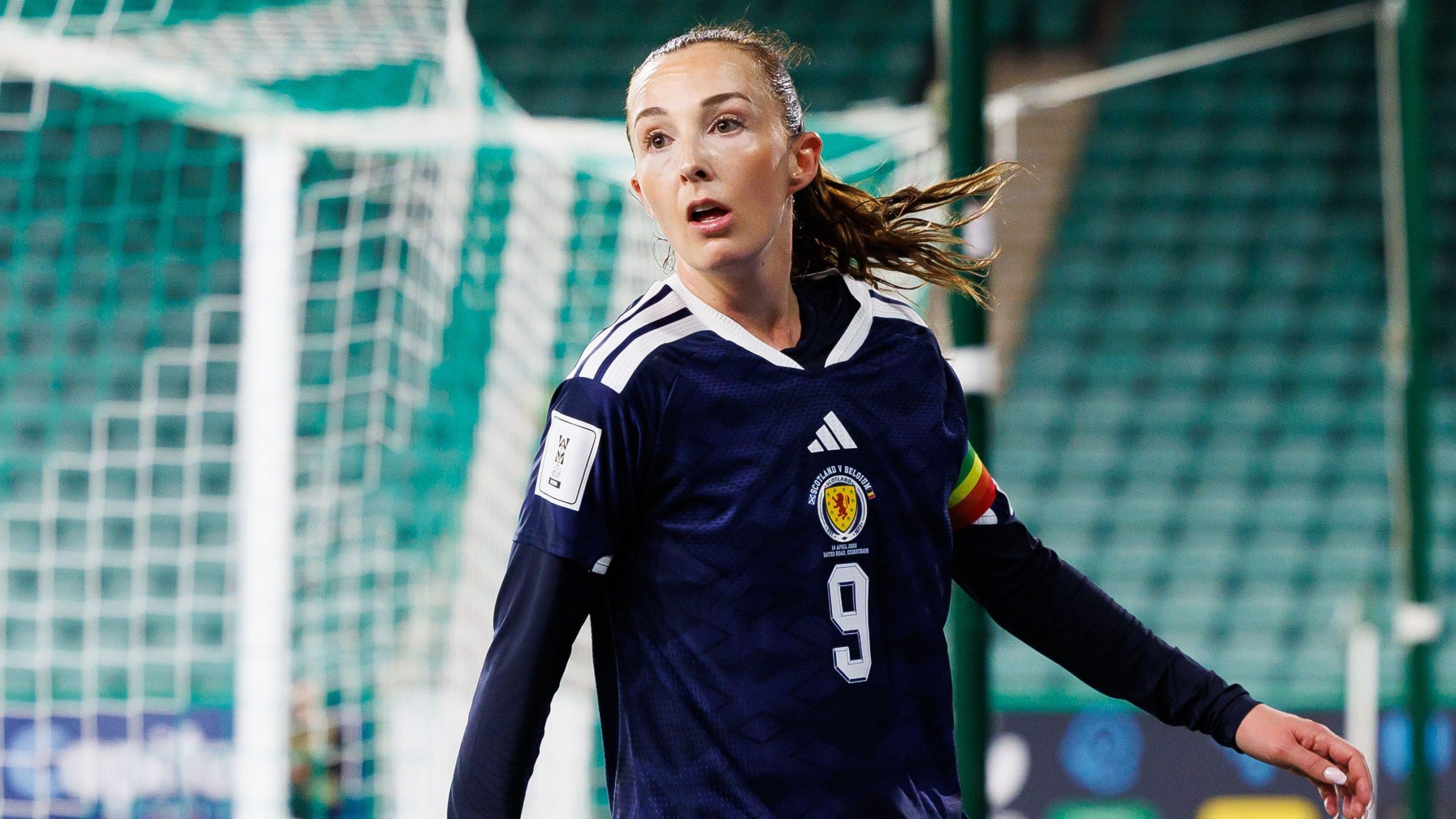
POLICY WIRE — Budapest, Hungary — Imagine preparing for the biggest game of your life, not knowing where you’ll actually kick off. Forget home-field advantage or passionate local fans. For the Scottish — and Israeli women’s national football teams, that dream’s been punted straight to Budapest. A World Cup qualifier – a clash that should echo with the cheers of thousands – is now a stark reminder that some battles happen long before the whistle blows.
It’s not just a venue change; it’s a political declaration. UEFA, European football’s governing body, simply won’t have matches staged in Israel right now, citing those pesky ‘security reasons.’ And they can’t really blame ’em, can they? The ongoing conflict, an unignorable backdrop of instability, means the pitch is moving from Tel Aviv to Hungary’s capital. It rips the heart out of what should be a local showdown, a point Joelle Murray, former Scotland midfielder and sharp observer of the game, doesn’t miss.
“It’s not ideal, you lose that home advantage on one of the legs, but it’s a situation outwith their control,” Murray dished out on the BBC’s Scottish Football Podcast. She’s spot-on. Players, bless their hearts, are told to ‘focus on what they can control.’ But you can bet your last dollar the headlines back home are anything but normal. You’ve got veterans like Caroline Weir and Erin Cuthbert, tasked with keeping the younger squad members, like late call-ups Laura Berry and Mia McAulay, zoned in. A tall order, if you ask me, when the world outside your bubble is constantly screaming about things far bigger than a penalty kick.
The situation in the Middle East has long cast its long shadow over sporting fixtures, much like regional tensions frequently destabilize events across the Muslim world, from Cairo to Kuala Lumpur. Think of the diplomatic tightropes walked during even mundane sporting exchanges in South Asia. But sometimes, sports become a mirror to these geopolitical quakes. The women’s game, a sphere increasingly asserting its own influence and reach globally, suddenly finds itself as a political football – literally.
“Moving these matches isn’t just a logistical headache; it sends a powerful message, intended or not, about the current state of regional affairs,” commented David MacLennan, a spokesperson for the Scottish Football Association. “We simply aim to compete safely, but everyone understands the larger context here.” Because what’s a neutral venue really? A sterile compromise, that’s what it’s. A quiet admission that the game can’t just be a game when bombs drop, — and protests flare.
According to UEFA, the last five years alone have seen over two dozen competitive matches for various national teams relocated from their original venues due to security concerns, political unrest, or force majeure events across its member associations – a staggering indicator of global volatility. That’s a lot of tickets cancelled. A lot of home support missed. It takes the passion out of it. And for women’s football, which has fought tooth and nail for recognition and audience, such disruptions are not just inconveniences; they’re genuine threats to momentum.
But that’s where the grit comes in. The coaches — and players don’t get a pass, no matter the geopolitical turmoil. They’ve still got to perform. They’ve still got to chase those points, vying for position, maybe even a spot in the World Cup itself. The narrative for this Scotland squad isn’t just about skill or strategy; it’s about resilience. It’s about ignoring the hum of conflict that forced them hundreds of miles away from a legitimate ‘home’ match and finding focus under the cold, distant lights of a borrowed stadium. It really is a test of temperament, wouldn’t you say?
And so, on the artificial neutrality of a Budapest pitch, two teams will face off. They aren’t diplomats. They aren’t politicians. They’re athletes. But their struggle to play the beautiful game, unencumbered by real-world strife, illustrates just how deeply intertwined politics and sport truly are. And sometimes, you just wish the ball could do all the talking.
What This Means
The forced relocation of this World Cup qualifier isn’t just an inconvenience for players and fans; it’s a telling symptom of wider geopolitical instability that frequently infiltrates the ostensibly apolitical world of sport. Economically, host nations miss out on significant tourism revenue and local spending, impacting smaller businesses that rely on match day activity. For Israel, it compounds the already strained sense of normalcy in a country facing persistent security challenges, further isolating its sporting federations. For Scotland, the logistical shift demands unplanned expenditures and forces athletes to navigate an unexpected mental hurdle. The long-term implications involve UEFA setting a precedent, potentially normalizing the ‘neutral venue’ as a default for conflict-adjacent regions, which can diminish national team identities and erode fan engagement. It’s also a stark reminder of how political circumstances can—and often do—overshadow even events that are supposed to be unifying. This constant re-routing isn’t just about security; it’s a form of diplomatic pressure, a quiet declaration of regions deemed too volatile for international gathering. The ripple effect can also be seen in countries like Pakistan, where international sporting ties often hinge precariously on geopolitical winds, affecting everything from cricket tours to national image on the global stage. It makes one wonder how many games are played not on pitches, but on a thin line between conflict — and peace. For more on such intricate power dynamics, check out Germany’s Quiet Atonement.